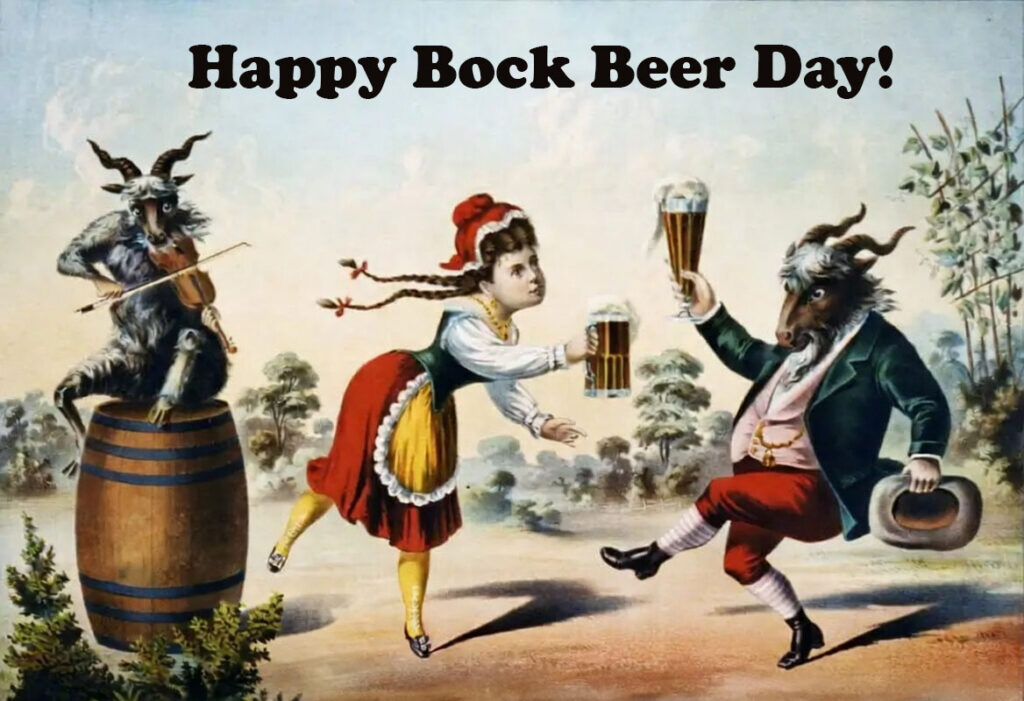
Raise your steins—it’s Bock Beer Day! (And yes, March 20, is the perfect excuse to crack open something malty, rich, and gloriously strong.)
If you’ve ever wondered why some beers come with a cheeky goat on the label or why spring sometimes feels like the ideal time for a hefty lager, you’re in the right place. Let’s dive into the fun, frothy world of bock beer—history, vibes, and all—while keeping it light, tasty, and totally Google-friendly.
The Legendary (and Slightly Goat-y) Origins of Bock
Bock beer’s story starts way back in the 14th century in the Hanseatic trading town of Einbeck, Germany (up in Lower Saxony, not Bavaria—surprise!). Einbeck was a brewing powerhouse, cranking out strong, hoppy beers that traveled well thanks to the town’s prime location and access to top-notch hops. These brews were hearty, malty, and built to last—perfect for export across Europe.
Fast-forward to the 17th century: Bavarian brewers in Munich got a taste (literally) and loved it. They invited a star brewer from Einbeck to show them the ropes. But here’s where the fun linguistic twist happens—thanks to thick Bavarian accents, “Einbeck” got garbled into something sounding like “ein Bock.” And in German? “Bock” means billy goat (as in, that stubborn, head-butting legend of the animal kingdom).
The name stuck. Brewers leaned into it, slapping goat heads on labels for centuries. Some old myths even claimed bock got its dark color from brewery vat gunk or was a sneaky “liquid bread” monks brewed to survive Lent without technically breaking their fasts. (Hey, calories count differently in beer form, right?)
Monasteries like Paulaner in Munich perfected stronger versions, naming one famous doppelbock “Salvator” to honor its holy-ish roots. From northern German origins to southern Bavarian fame, bock became the hearty lager that says, “Winter’s ending—time to celebrate with something substantial.”
What Makes Bock… Bock?
Traditional bock is a strong lager (usually 6-7% ABV, but doppelbocks push higher), all about that malt magic:
Rich, toasty, nutty flavors from Munich and Vienna malts
A touch of caramel or toffee sweetness
Low hops—just enough bitterness to keep it balanced, not hop-forward
Smooth, medium-to-full body with a creamy head
Color ranges from coppery amber to deep brown
It’s not the beer for IPA chasers—it’s the cozy sweater of beers. Warm, comforting, and perfect for transitioning from winter hibernation to spring vibes.
Sub-styles keep things exciting:
Traditional Bock — Classic dark and malty
Maibock (May Bock) — Paler, hoppier, brewed for spring festivals
Doppelbock — “Double” the malt, double the fun (often 8%+)
Weizenbock — Wheat version for a banana-clove twist
Eisbock — Ice-distilled for ultra-strength

How to Celebrate Bock Beer Day Like a Pro
Grab a bock (or three). Look for classics like Paulaner Salvator, Ayinger Celebrator, or local craft takes—breweries love riffing on this style.
Pair it right: Grilled meats, hearty sausages, aged cheeses, dark chocolate, or just a big pretzel. It’s basically food’s best friend.
Toast with friends: “Prost!” or channel your inner goat with a playful headbutt (lightly, please).
Bonus points: Share a goat meme or photo with your pour. The internet will thank you.
2025 U.S. Beer Championship’s Medal Winners for Bock Beer
Traditional German-Style Bock
Gold: Bock – Union Bear Brewing – Plano – Texas
Silver: Dad Bock – Pondaseta Brewing Co. – Texas
Bronze: Dunkel Bock – Sons of Toil Brewing LLC – Ohio
German-Style Heller Bock/Maibock
Gold: Skoolhouse Bock – Moontown Brewing Company – Indiana
Silver: Heller Bock – Cranky Sam Brewing – Montana
Bronze: Not Yours Maibock – Kros Strain Brewing – Nebraska
Strong Bock
Gold: Pathinator – Narrow Path Brewing Company – Ohio
Gold: Eisbock – Penn Brewery – Pennsylvania
Silver: Balrog’s Bock – Flix Brewhouse-SAT – Texas
Bronze: Levitator – Maple Branch Craft Brewery – Texas
Bierstacheln – Beer Poking a Bock Beer.
Nothing beats the cozy drama of Bierstacheln—that centuries-old German tradition (aka “beer poking”) where you plunge a glowing red-hot poker straight into a frosty bock on a chilly evening. Picture this: it’s early spring, Bock Beer Day vibes are strong, and you’ve got a malty, rich doppelbock or traditional bock chilling in your stein. Grab a steel rod (or that classic fireplace poker), heat it red-hot in a bonfire or grill until it’s sizzling, then dip it in for just 4-5 seconds—stir gently if you’re feeling fancy.
The magic happens instantly: the intense heat caramelizes those deep malt sugars, turning toasty notes into straight-up toasted marshmallow sweetness with a whisper of campfire smoke. A massive, creamy head erupts like a mini volcano, the beer warms to that perfect cozy sip temperature, carbonation softens into velvety smoothness, and suddenly your hearty lager tastes like the beer equivalent of s’mores by the fire. It’s not just warming up a cold brew (a trick blacksmiths invented back when cellars froze everything solid)—it’s alchemy in a glass, especially killer with bock’s nutty, caramel-forward profile.
Safety first—use tongs, don’t overdo the dip (or you’ll flatten it), and maybe save the backyard spectacle for friends who appreciate a good show with their sip. If you’re feeling adventurous this Bock Beer Day, give it a go with your favorite local malty lager. One plunge, and that bock goes from great… to legendary. Prost, and may your poker stay hot!
Bock beer isn’t just a style—it’s a celebration of malt-forward joy, clever wordplay, and centuries of brewing wizardry. So whether you’re in Hamilton nursing a cold one or dreaming of Bavarian beer halls, today’s the day to go bock wild.
Cheers to bock—may your glass be full, your goat puns on point, and your hangover minimal!
Happy Bock Beer Day!
For Brewing fun fact, trivia, movies and more, Click Here.