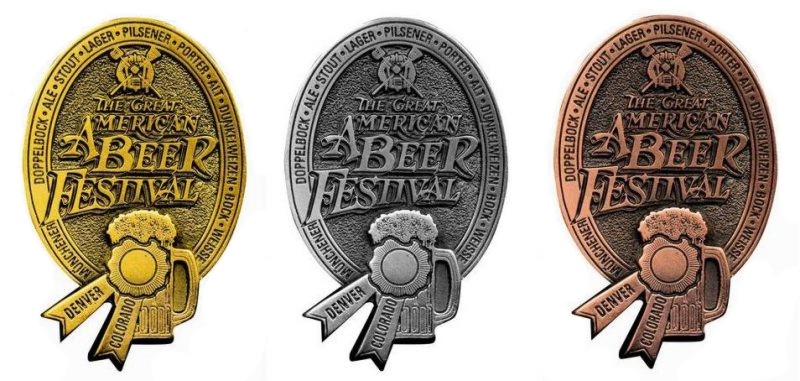
In the summer of 1987, a quiet revolution unfolded in a Denver hotel conference room. No crowds, no music, no clinking glasses—just seven judges, a few dozen bottles, and the future of American beer on the line. This was the inaugural professional judging at the Great American Beer Festival (GABF), a pivot from casual consumer polls to a blind, expert-driven competition that would redefine excellence in craft brewing.
The GABF, launched in 1982 by nuclear engineer-turned-beer evangelist Charlie Papazian, had always been more festival than contest. Early events featured homebrewers and a smattering of microbreweries pouring for enthusiastic but untrained palates. Attendees voted via paper ballots, crowning favorites like Sierra Nevada Pale Ale in 1983. It was democratic, chaotic, and fun—but it wasn’t rigorous.
By 1987, with the American craft beer movement gaining traction (there were now about 100 operating breweries nationwide, up from a dozen a decade earlier), the Brewers Association decided it was time for legitimacy. The solution: adapt the structured judging format used at the American Homebrewers Association’s national conferences. For the first time, GABF would award medals based on professional consensus, not popularity.
A Modest Beginning: 99 Beers, 12 Categories, 7 Judges
The scale was intimate. Roughly 50 breweries submitted 99 entries across 12 broad style categories—think “Ales” (a catch-all for pale ales, stouts, and barleywines) and “Continental Pilsners” rather than the 100+ hyper-specific styles of today. Entries arrived by mail in plain bottles, stripped of labels and coded with numbers to ensure anonymity.
Judging occurred in a private session the week before the public festival, held in a controlled, quiet space. The seven judges—brewers, writers, and sensory experts—worked in small panels. They evaluated flights of 4–6 beers at a time, scoring on aroma, appearance, flavor, body, and technical execution. Style guidelines, though looser than today’s, were non-negotiable: a pilsner had to taste like a pilsner, not a bold experiment.
No medals were guaranteed. If no beer in a category met the standard, none were awarded—a rule that added weight to every gold, silver, and bronze. In the end, 36 medals were handed out, three per category.
Ales
Gold – Sierra Nevada Bigfoot Barley Wine Style Ale Sierra Nevada Brewing
Silver – Pete’s Wicked Ale – Pete’s Brewing Co
Bronze – Sierra Nevada Pale Ale – Sierra Nevada Brewing
Alts
Gold – Chinook Alaskan Amber – Alaskan Brewing
Silver – Widmer Alt – Widmer Brothers Brewing
Bronze – St. Stan’s Dark Alt Stanislaus Area Association
Cream Ales
Gold – Little Kings Cream Ale Hudepohl-Schoenling
Silver – Genesee Cream Ale Genesee/High Falls Brewing
Bronze – Portland Ale Portland Brewing
American Lagers
Gold – Koch’s Golden Anniversary Beer – Genesee/High Falls Brewing
Silver – Kulmbacher – Val Blatz Brewery
Bronze – Augsburger Dark – Joseph Huber Brewing Co
American Light Lagers
Gold – Leinenkugel – Jacob Jacob Leinenkugel Brewing
Silver – Rainier Beer – G. Heileman Brewing Co
Bronze – Lone Star Beer – G. Heileman Brewing Co
Bocks/Dopplebocks
Gold – Chesbay Double Bock – Chesapeake Bay Brewing
Silver – Kessler Bock – Kessler Brewing Co
Bronze – Augsberger Bock – Joseph Huber Brewing Co
Continental Amber Lagers
Gold – Golden Bear Dark Malt – Thousand Oaks Brewing Co
Silver – Anchor Steam Beer – Anchor Brewing Co
Bronze – Gartenbrau Dark – Capital Brewing Co
Continental Pilsners
Gold – Samuel Adams Boston Lager – Boston Beer Co
Silver – Saranac 1888 All-malt Lager – F. X. Matt Brewing
Bronze – August Schell Pilsner – August Schell Brewing Co
Porters
Gold – Great Northern Porter – Summit Brewing Co
Silver – Boulder Porter – Rockies Brewing Co
Bronze – Yuengling Porter – D. G. Yuengling & Son Inc
Stouts
Gold – Boulder Stout – Rockies Brewing Co
Silver – Grant’s Imperial Stout – Yakima Brewing And Malting Co
Bronze – Sierra Nevada Stout – Sierra Nevada Brewing Co
Vienna Style Lagers
Gold – Vienna Style Lager – Vienna Brewing Company
Silver – Schild Brau – Millstream Brewing Co
Bronze – Rhomberg All-malt – Rhomberg Brewing
Wheat Beers
Gold – Edelweiss – Val Blatz Brewery
Silver – Hibernia Dunkel Weizen Beer – Hibernia Brewing
Bronze – Du Bru Ale – Saxton Brewery
First Place Consumer Preference Poll
Samuel Adams Festival Lager – Boston Beer Co
American Homebrewers Association
In 1987, the American Homebrewers Association (AHA), founded in 1982 by Charlie Papazian as a division of the Brewers Association, stood as the vibrant nerve center of America’s grassroots beer renaissance, boasting around 4,000 members who were passionately reviving pre-Prohibition brewing traditions amid a landscape dominated by mass-produced lagers. Headquartered in Boulder, Colorado, the AHA published the influential Zymurgy magazine—featuring recipes, techniques, and style guidelines—and organized the National Homebrew Competition, which that year drew over 1,000 entries judged in blind panels across 26 categories, serving as a direct blueprint for the Great American Beer Festival’s first professional judging. Through local clubs, educational seminars, and Papazian’s bestselling The Complete Joy of Homebrewing (updated in its second edition that decade), the AHA empowered hobbyists to experiment with hops, malt, and yeast, inadvertently training the next generation of craft brewers like Jim Koch and Ken Grossman while fostering a culture of innovation that would explode the U.S. brewery count from under 100 to thousands in the coming decades.
Top 10 Beer Festivals in the U.S.A.
Beer Styles for the U.S. Open Beer Championship
Brewing Schools in the United States