 (August 31, 2018) – Georgia’s original craft brewery is kicking off its 25th anniversary month with a big announcement – it has rebranding from Red Brick Brewing Co back to its original name, Atlanta Brewing Co.
“The craft beer market has changed significantly over the last several years and we felt it was important to highlight the changes and improvements that we’ve made here at the brewery” explains President Garett Lockhart “As a 25-year-old craft brewery, it is important for us to be innovative and stay relevant in an increasingly competitive market. These changes set the table for us to truly reintroduce ourselves to a growing craft consumer base.”
After a law change in September of 2017 that allowed Georgia breweries to sell direct to consumers, the brewery renovated its taproom. This included an expansion to 20 draft taps, allowing the brewers to bring creative new beer styles to the taproom and ultimately to the market. With so many internal and external changes, Red Brick felt like a brand new company, and the decision was made to rebrand.
“Over the last eight years we’ve rebuilt Atlanta Brewing Company from top to bottom. As of today, we are proudly reclaiming our original name: Atlanta Brewing Company.” Says Marketing Director Cameron Davis “We love this city and want to celebrate it for all that it has given us over the last 25 years.”
With the decision made that the 25th anniversary was the perfect time to rebrand, the company got to work vetting branding agencies. After a lengthy search process it landed on CODO, an Indianapolis based agency that that has worked with renowned breweries and food artisans around the world.
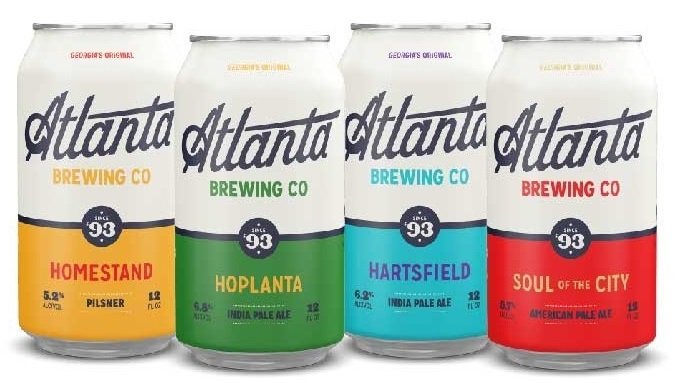
3 core brands have made the transition to Atlanta Brewing Co packaging: Homestand Pilsner, Soul of the City Pale Ale, and the flagship IPA, Hopanta. A new contemporary IPA, Hartsfield, win join the mix. This new IPA will feature a new rotating hop in every batch.
“I’m very lucky to have freedom to be creative and design new beers. It’s a really powerful thing to go to work every day and create a product that can enter the lives of total strangers, and have a small but potentially important impact on those people,” says Director of Brewing Operations Gavin McKenna “we want to bring the best product to these consumers, and as such have renewed our focus on quality control and brewing innovative beer styles. This new branding just makes that a complete package.”
To celebrate the rebrand and 25th anniversary, Atlanta Brewing Co has a full month of events and beer releases. They have over a dozen collaboration releases with local breweries and brewpubs, along with daily events at the brewery and around the state. Fans can get involved in the fun by picking up an Atlanta Brewing Co passport at the taproom, and collecting stamps for each event they attend. These stamps can then be redeemed for prizes. The month is bookended with a rebrand launch party Friday, August 31st at the brewery (featuring the Hartsfield IPA release) and will conclude with the Atlanta Brewing Co 25th Anniversary Party September 29th featuring food trucks, live music all day, and a Double IPA release.
For a full calendar of events and new brand logos and photos, please click HERE
ABOUT ATLANTA BREWING CO
Atlanta Brewing Co was founded in 1993 at a time when there were only 200 or so microbreweries throughout the country. They have weathered 25 years in Atlanta, and are proud to be the oldest brewery in the state. With a focus on quality control and brewing innovative beers, Atlanta Brewing Co looks forward to serving the city they love for another 25 years.
Interview requests and media inquiries:
Cameron Davis
Marketing Director
cameron@atlantabrewing.com
678.697.1077

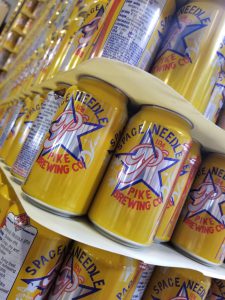 SEATTLE — Leading Pike Brewing Company’s new packaging launch, Pike Space Needle IPA is being released mid-September with a brand-new can design!
 ATLANTA –
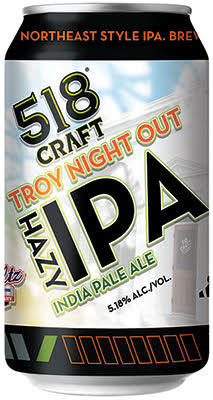 CLIFTON PARK, N.Y. — Shmaltz Brewing Company’s beautiful new tasting room and bottle shop 518 Craft is at the epicenter of one of New York State’s burgeoning craft-centric regions. To celebrate the vibrant monthly arts and cultural event Troy Night Out in downtown Troy, Shmaltz Brewing releases a limited-edition namesake hazy IPA this Friday, August 31 in 6-packs (12oz. cans) and on draft across the 518.
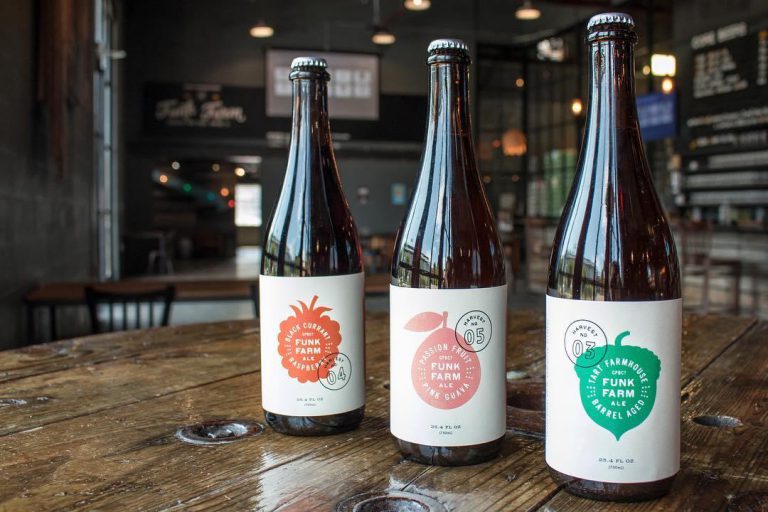 BIRMINGHAM, Ala.– Good People Brewing Co., the oldest and largest craft brewery in the state of Alabama, is excited to announce new releases of their sour beer program, The Funk Farm.
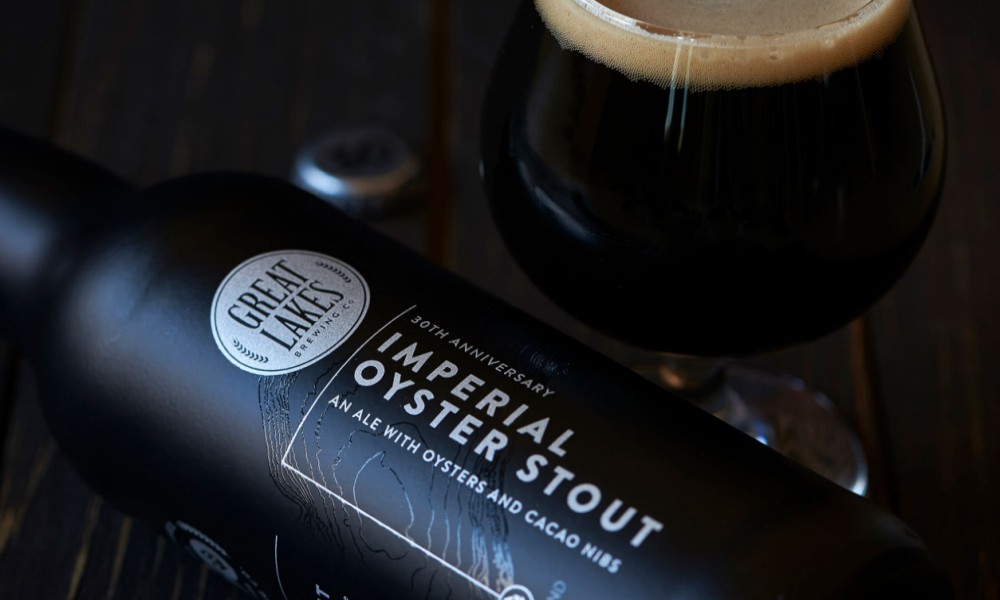 You didn’t think we’d celebrate our 30th anniversary without a special release, did you? In honor of three decades of independent craft brewing, Great Lakes Brewing Co. is proud to share our 30th Anniversary Imperial Oyster Stout.
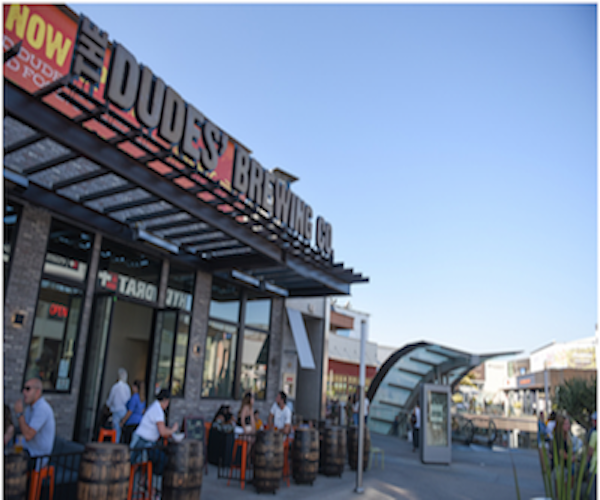 Santa Monica Place is pleased to announce the grand opening celebration of the Dudes’ Brewing Company on Thursday, September 13 from 6 – 9 p.m. with a special live concert by multiplatinum recording rock band, Unwritten Law, on the rooftop deck. Located on the third floor of the center, the newest Westside location features 27 rotating beers on tap, scratch made pizza and salads, and is the first of The Dudes’ five locations to offer local wines.
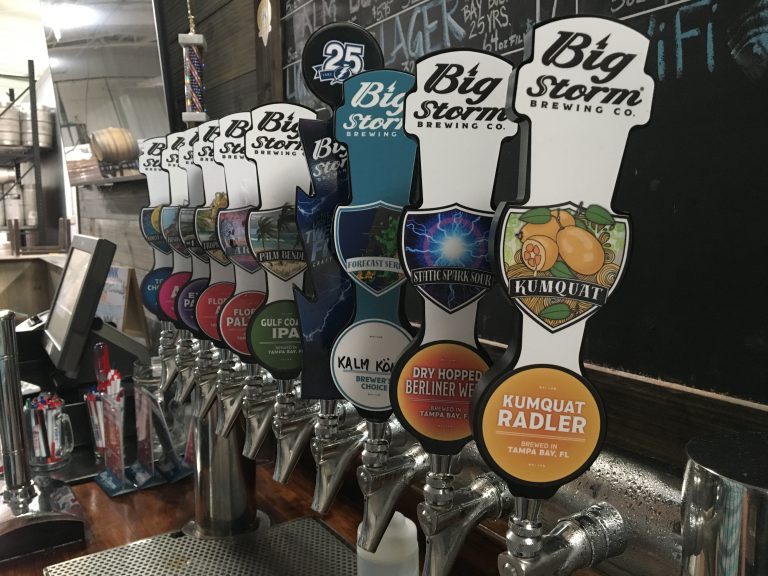 CLEARWATER, Fla. — Florida-based Big Storm Brewing company is coming to the Lone Star State. Big Storm announced today that Mikeska Distributing will begin distributing its core beers in Texas starting this month.

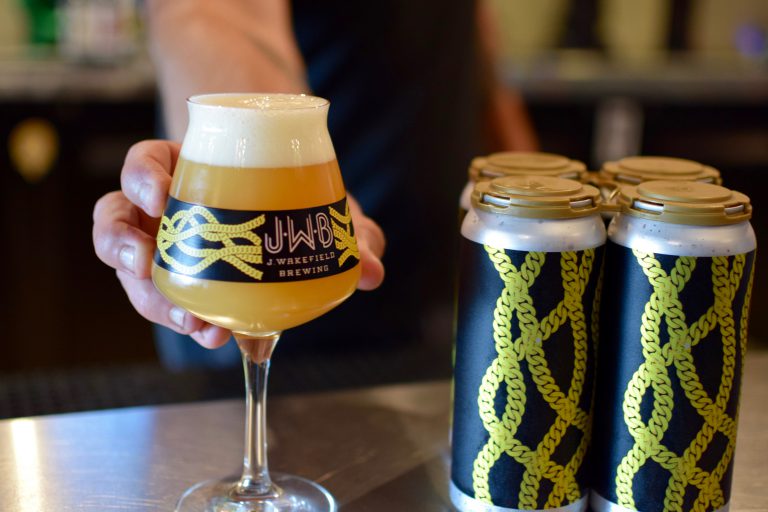 MIAMI — On Thursday, August 30th, at 1:00 p.m, J. Wakefield Brewing will be releasing Chains, its popular northeast-style India pale ale, just in time to celebrate the upcoming college football season. Chains was first released last December to much acclaim, when former national champions D.J. Williams and Brett Romberg collaborated with Johnathan Wakefield and his brew team, to create the beer. It dropped at the height of the college football frenzy that engulfed Miami last season.
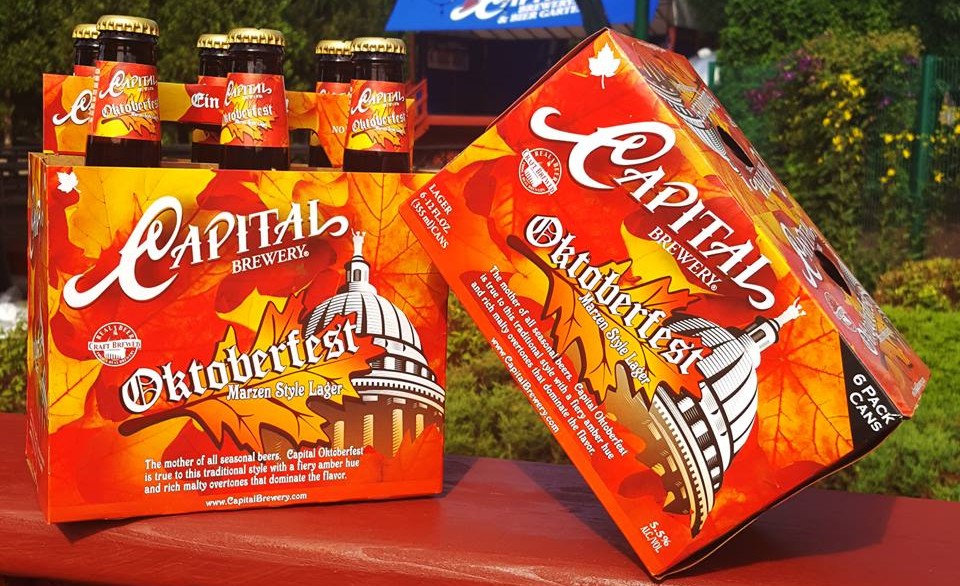 Middleton, Wisconsin – Capital Brewery will be hosting a fundraiser for the Friends of Pheasant Branch Conservancy on Saturday October 20, 2018 from noon to 5PM in the Capital Brewery Bier Garten.