• Skip to secondary menu
  • Skip to main content
  • Skip to primary sidebar

Beer Info

Beer News, Beer Releases and New Breweries

  • Home
  • Top 10 Beers
    • Ales
    • Lagers
    • Barrel Aged
    • Hybrid
    • Specialty
  • GABF
    • 2024 GABF
    • 2023 GABF
    • 2021 GABF
    • 2022 GABF
    • 2020 GABF
    • 2019 GABF
    • 2018 GABF
    • 2017 GABF
    • 2015 GABF
    • 2014 GABF
    • 2013 GABF
    • 2012 GABF
    • 2011 GABF
    • 2010 GABF
    • 1987 GABF
  • World Beer Cup
    • 2025 World Beer Cup
    • 2022 World Beer Cup
    • 2018 World Beer Cup
    • 2016 World Beer Cup
    • 2014 World Beer Cup
    • 2012 World Beer Cup
    • 2010 World Beer Cup
    • 2008 World Beer Cup
    • 2006 World Beer Cup
    • 2004 World Beer Cup
    • 2002 World Beer Cup
    • 2000 World Beer Cup
    • 1998 World Beer Cup
    • 1996 World Beer cup
  • U.S. Open
    • 2022 U.S. Open
    • 2021 U.S. Open
    • 2020 U.S. Open
    • 2019 U.S. Open
    • 2018 U.S. Open
    • 2017 U.S. Open
    • 2016 U.S. Open
    • 2015 U.S. Open
    • 2014 U.S. Open
    • 2013 U.S. Open
    • 2012 U.S. Open
    • 2011 U.S. Open
    • 2010 U.S. Open
    • 2009 U.S. Open
  • U.S. Open Cider
    • 2021 U.S. Open Cider
    • 2020 U.S. Open Cider
    • 2019 U.S. Open Cider
    • 2018 U.S. Open Cider
    • 2017 U.S. Open Cider
    • 2016 U.S. Open Cider
    • 2015 U.S. Open Cider
  • More
    • Schools
      • United States
      • Canada
      • Europe
    • Writers
      • Edwin Arnaudin
        • Zebulon Artisan Ales
        • Highland Brewing
      • Morgan Forsyth
      • Paul Leone
      • Austin Foster
      • Anne-Fitten Glenn
    • Books
      • Starting a Brewery
      • Homebrew
      • History
      • Fun & Games
    • Fun Facts

Dow Scoggins

Beers of the Day: Rhinegeist Ghost Pils and Ghost Haze To Start the Halloween Season

September 29, 2026 by Dow Scoggins

Two Friendly Ghosts from Over-the-Rhine
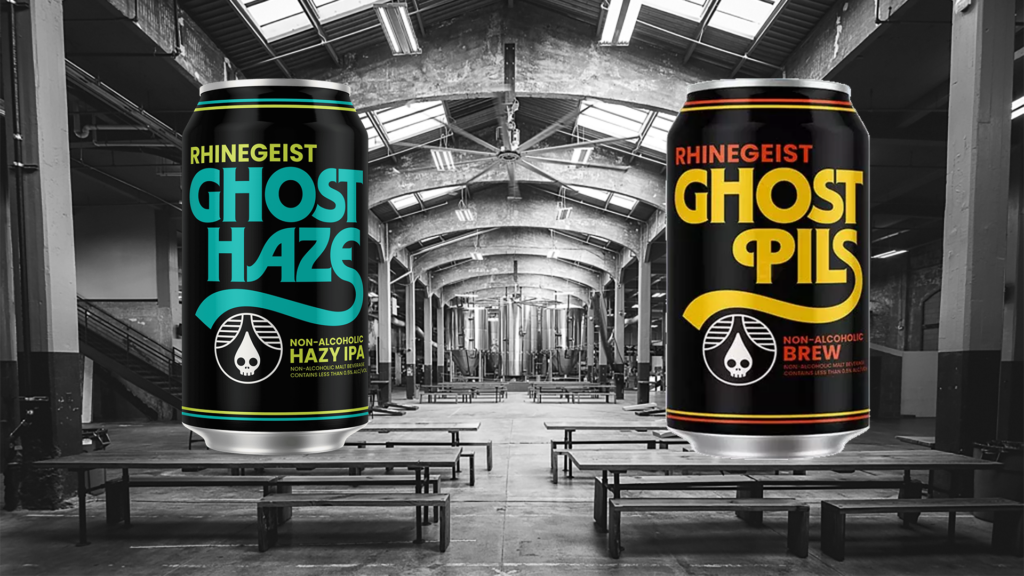
Some ghosts rattle chains. These two just want to hand you a cold one that won’t slow you down. Ghost Pils and Ghost Haze are Rhinegeist’s nonalcoholic beers, and the name is a play on the “geist” in Rhinegeist, which means ghost or spirit. The brewery’s pitch is simple: ghost on booze, not on flavor. Both come in under 0.5% ABV. CEO Adam Bankovich describes them as the answer for moments when beer is the perfect drink but alcohol might not be. Rhinegeist made them with Sustainable Beverage Technologies using its BrewVo process, which is built to keep full craft flavor without the alcohol.

Ghost Pils is the crisp one, with smooth, bready malts and a light, clean finish. It made an early splash, picking up a bronze medal at the 2025 Great American Beer Festival. Ghost Haze is the juicy one. It pours bright gold with heavy haze and a thick white head, and delivers big stone fruit and fresh citrus notes on a full, juice-like body. Rhinegeist says it tastes much closer to a regular hazy IPA than older NA beers, which often leaned too sweet and came up short on hop flavor. Both launched in August 2025 and are now year-round releases in six-packs of 12-ounce cans across Ohio, Pennsylvania, West Virginia, Kentucky, Tennessee, Indiana, Illinois, Michigan and Wisconsin.

A Brewery Built in a Pre-Prohibition Bottling Plant
Rhinegeist was founded by Bob Bonder and Bryant Goulding, who met in 2005 while working as business consultants in San Francisco. In August 2011 Bonder called Goulding with an idea for a brewery in Cincinnati, a city he saw as a vacuum for locally brewed craft beer. They brought in head brewer Jim Matt, a chemist for 20 years before he moved into beer at Sun King Brewery in Indianapolis. Their flagship, Truth IPA, began as one of Matt’s homebrew projects.

The building made the brand. It was built more than a century ago as a Christian Moerlein bottling plant and closed in 1919 because of Prohibition, which is where the name Rhinegeist, or ghost of the Rhine, came from. Goulding said his first look inside felt like walking into a cathedral. Rhinegeist opened on June 29, 2013, and more than 2,000 beer lovers turned out for the debut. It has since become a regional heavyweight, with a mid-20s percentage share of craft beer in the Cincinnati market, and it remains independently owned with no parent company and no outside investors.

Any Real Ghosts?
The honest answer is that the brewery’s ghost is more tribute than haunting, and there are no well-documented sightings in the taproom. The “Rhine” part of the name comes from the old saying that German workers were “crossing the Rhine” when they walked across the canal into downtown, and “geist” honors those immigrants. The neighborhood itself has plenty of spooky lore, though. By the 1860s there were 36 breweries in Over-the-Rhine making 30 million gallons of beer a year, and many left behind lagering tunnels deep underground. Nobody knows how many there are because riots in the 1880s burned the County Courthouse and destroyed most records, but about a dozen have been found so far. Local ghost tours stop at Rhinegeist to talk about hauntings in the area, calling it one of the last remaining pieces of the old Christian Moerlein Brewery, before heading down into tunnels 30 feet below the street.

So grab a Ghost Pils or a Ghost Haze, head up to the rooftop deck, and raise a can to the Moerlein bottlers who worked here before Prohibition shut the doors.

Address: 1910 Elm St., Cincinnati, OH 45202
Website: https://rhinegeist.com 

Filed Under: Beer, ghosts, Halloween

Epic Brewing Unleashes Six New Big Bad Baptist Variants for 2026

September 24, 2026 by Dow Scoggins

Epic Brewing Unleashes Six New Big Bad Baptist Variants for 2026
Photo by Epic Brewing

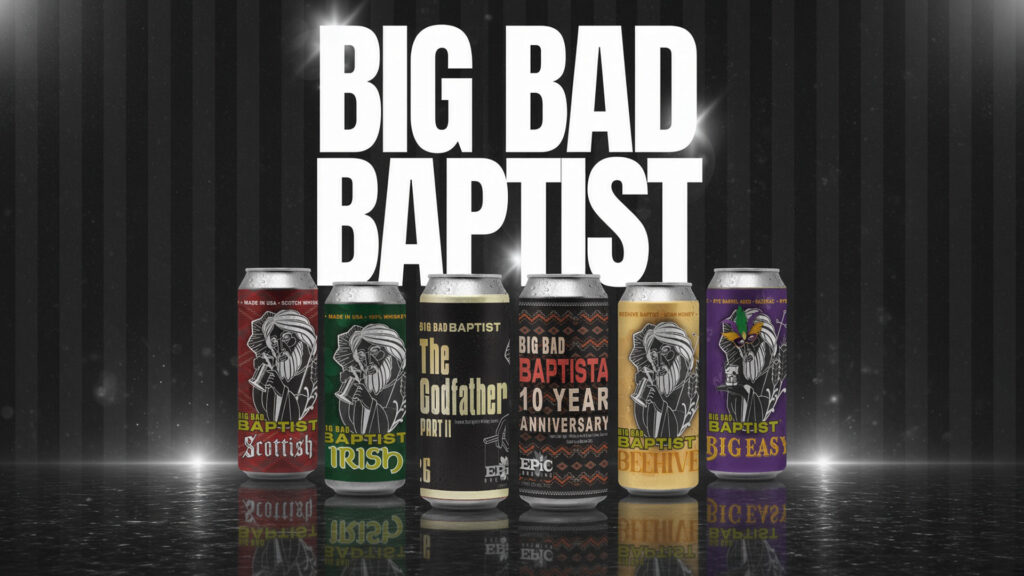
Salt Lake City’s Epic Brewing is bringing back one of craft beer’s most anticipated annual releases, with six new takes on its celebrated barrel-aged imperial stout, Big Bad Baptist. Fans can get first crack at the 2026 lineup at the brewery on Friday, October 9, with wider distribution following in November. This year’s series pushes the flagship stout in bold new directions, layering barrel character, coffee, spices, honey, and even peat smoke over the rich, roasty backbone that made the original a cult favorite.

The 2026 lineup includes:

Big Bad Baptist 10-Year Anniversary, a celebratory blend of vanilla, cinnamon, cacao, and house-roasted Mexican coffee marking a decade of this fan favorite.

Godfather Part II, the return of the Godfather series, built to showcase the depth and complexity of Epic’s whiskey barrels.

Beehive, an imperial stout brewed with local Utah honey and cacao nibs, a nod to the Beehive State.

Big Easy, a rye whiskey barrel-aged stout inspired by New Orleans’ classic Sazerac cocktail.

Irish Baptist, featuring smooth vanilla bean and coffee flavors.

Scottish Baptist, brewed with coffee, cacao nibs, and peat-smoked barley for a distinctly smoky, layered finish.

All six variants will be packaged in 16-ounce cans and will ship across Epic’s distribution footprint beginning in November. Stout lovers in Washington, Oregon, Southern California, Maryland, North Carolina, Ohio, and Wisconsin should keep an eye on shelves, since these limited releases tend to disappear quickly.

From Brine Shrimp to Big Beers: The Epic Story
Epic Brewing’s roots trace back to an unlikely source: brine shrimp. Founders and co-owners Dave Cole and Peter Erickson, originally from California, started an international aquaculture company in Utah in 1992. The two had met in San Diego in the mid-1980s, when Erickson was managing an indoor aquaculture facility producing brine shrimp and Cole was hired on, and they spent years watching the Bay Area microbrewery boom with envy. Their chance came when Utah passed a law in 2008 permitting breweries to produce and sell “heavy” beer, over 3.2% alcohol by weight, directly to the public. Epic opened in May 2010, and billed itself as the first brewery in Utah since Prohibition to brew only high-alcohol beer.

Growth came fast. The brewery started with six 10-barrel fermentation tanks, and within a few short months it was earning medals domestically and internationally. In 2013 Epic expanded into Colorado with a second brewery in Denver’s River North district, giving it room for national distribution, a larger barrel-aged program, and a new line of sour beers. Beyond the Big Bad Baptist family, Epic has built a loyal following for beers like the award-winning Utah Sage Saison and Hopulent IPA, and the company has even branched outside of beer with Clearly Coconut, a brewed coconut water made from 100% USDA Organic coconut. Visitors to the flagship taproom on State Street will find a wide rotating lineup, from hazy IPAs and sours to the big barrel-aged stouts that put Epic on the map.

For more information about the 2026 Big Bad Baptist series, visit epicbrewing.com or email info@epicbrewing.com.

Address: 825 South State Street, Salt Lake City, Utah 84111
Website: https://www.epicbrewing.com

For Brewing fun fact, trivia, movies and more, Click Here.

Filed Under: Beer, Big Bad Baptist, breweries, Epic brewing

Hindenburg Löwenbräu Beer Bottle Up for Auction Sept. 22, 2026 — Last One Sold for $16,000

September 18, 2026 by Dow Scoggins

Hindenburg Löwenbräu Beer Bottle Up for Auction Sept. 22, 2026 — Last One Sold for $16,000Another Piece of Hindenburg Beer History Heads to Auction
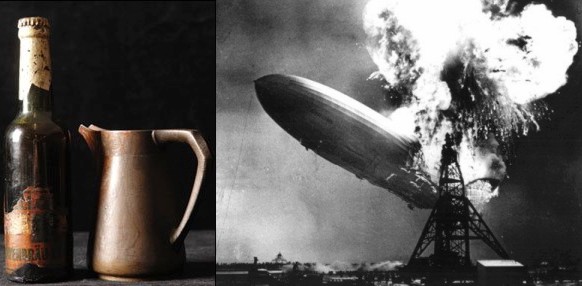
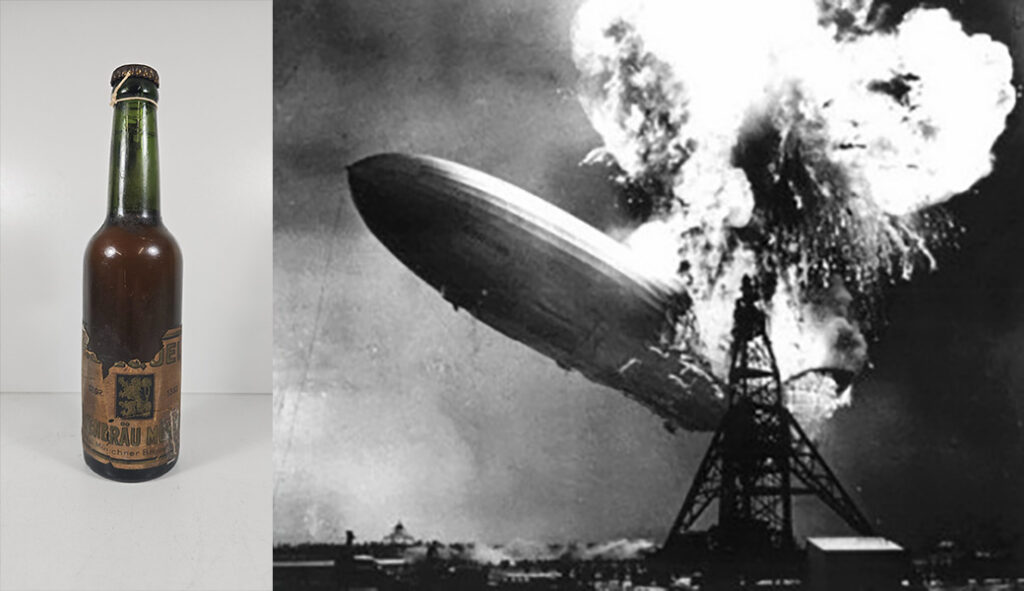
Eighty-nine years after the Hindenburg burst into flames over Lakehurst, New Jersey, one more surviving bottle of Löwenbräu is coming up for sale. Wallis & Wallis in Lewes, England, is offering the fire-damaged bottle as Lot 431 in its Arms, Armour, Militaria & Collectibles auction on September 22, 2026. It’s a standard 23cm green bottle with a crown top, one of only six known to have survived the disaster — still sealed, though the label is scorched and crumbling and the foil cap disappeared long ago in the flames.

The bottle carries a modest £4,000–£6,000 estimate, well below the roughly $16,000 a sister bottle fetched back in 2009, but with these things, pre-auction estimates rarely hold once collectors start chasing a piece of aviation infamy. Somewhere out there, a handful of these bottles are still scattered in attics and family collections — each one a strange little souvenir of one of history’s most famous disasters, and proof that even a beer that’s been through a fireball can still find someone willing to pay for the story.

Website:  https://www.wallisandwallis.co.uk/


A bottle of Löwenbräu beer was sold at auction back in 2009, fetching over $16,000.

The most expensive bottle of beer - A bottle of Lowenbrau from the Hindenburg

A bottle of Löwenbräu beer, recovered from the 1937 Hindenburg airship disaster, was auctioned for over $16,000, making it the most expensive beer bottle ever sold, according to ABC News. Found among the wreckage in Lakehurst, New Jersey, the heavily damaged bottle retained about 80% of its contents, though auctioneer Andrew Aldridge noted it would be undrinkable due to its condition.

On May 6, 1937, Fire Chief Leroy Smith discovered six intact Löwenbräu bottles and a pitcher at the crash site. To retrieve them later, he hid the items, as authorities had restricted access to the area. Smith kept one bottle and shared the others with colleagues, though most are now unaccounted for. One was later donated to the Löwenbräu company after a colleague’s passing. This rare artifact remains a prized piece for Hindenburg memorabilia collectors.

About the Hindenburg:
The Hindenburg was a German airship, renowned for its luxury and technological marvel, that operated as a transatlantic passenger transport in the 1930s. Measuring over 800 feet long, it was one of the largest airships ever built, powered by hydrogen gas and capable of carrying dozens of passengers in opulent cabins. On May 6, 1937, while attempting to land in Lakehurst, New Jersey, the Hindenburg caught fire and was destroyed in a catastrophic explosion, killing 36 people and marking a tragic end to the airship era. The disaster, widely covered by media, remains a significant historical event, with artifacts like a recovered Löwenbräu bottle later becoming valuable collectibles.

Fun Beer Facts, Breweries and More: Click Here

Filed Under: Beer, Hindenburg, Lowenbrau

Chill Rasputin Has Entered the Chat: North Coast Brewing Tames Its Legendary Stout

September 18, 2026 by Dow Scoggins


North Coast Brewing Co. takes its cult-favorite Old Rasputin Russian Imperial Stout and turns the ABV way down — without losing the flavor that made it famous.

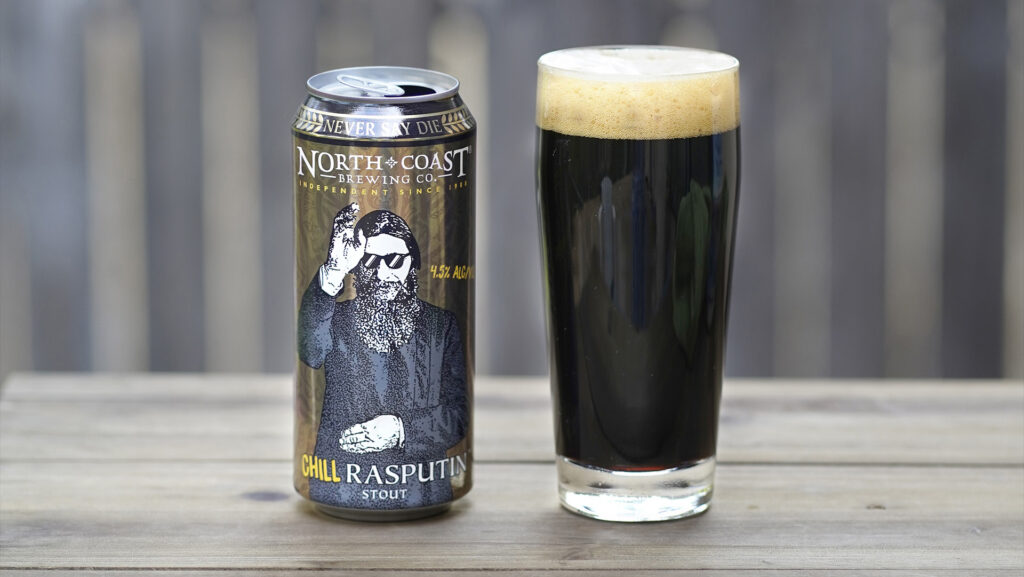
Old Rasputin just got a chill little sibling. North Coast Brewing Company — the Mendocino Coast craft beer institution behind the mighty Old Rasputin Russian Imperial Stout — is rolling out Chill Rasputin, a stout built for people who love that roasty, chocolatey Rasputin flavor but don’t necessarily want to get knocked sideways by it.

Landing in 16-ounce four-packs on shelves in early October, Chill Rasputin dials the ABV down to a sessionable 4.5%, while still layering in dark chocolate and roasted coffee over a smooth, easy-drinking body. Think of it as Old Rasputin’s laid-back cousin — same family resemblance, way more chill. It’s a beer built for backyard firepits, concerts, and the walk back from a long hike, not for a slow sip while you brace for impact.

True to North Coast’s sustainability streak, the four-packs ditch plastic rings for Eco-Rings®, a fully compostable holder.

“Old Rasputin has developed an incredibly loyal following over the years,” said Jennifer Owen, CEO of North Coast Brewing. “With Chill Rasputin, we created a beer that honors that legacy while offering a lighter, more approachable option for a wider range of occasions. It’s still unmistakably Rasputin, just a little more relaxed.”

Find it starting in early October via the beer locator at northcoastbrewing.com, or grab a four-pack straight from the Brew Shop at the Pub at North Coast Brewing Company in Fort Bragg.

About North Coast Brewing Company
North Coast Brewing has been a fixture on California’s Mendocino Coast since opening as a local brewpub in 1988 — making it one of the true pioneers of American craft beer, predating most of the breweries that get credit for starting the movement. Co-founded and long helmed by brewmaster Mark Ruedrich, the brewery has racked up more than 110 medals in national and international competitions.

Beyond Old Rasputin and Chill Rasputin, the lineup includes Scrimshaw Pilsner (widely regarded as one of the best American-brewed pilsners going), Red Seal Ale, Brother Thelonious Belgian-Style Abbey Ale, and North Coast Steller IPA. The brewery also resurrected the historic Acme label, dating back to 1860s San Francisco. North Coast beers now ship to 48 states and export to Europe and the Pacific Rim.

North Coast is a Certified B Corp, TRUE Platinum Zero Waste Certified, and runs a carbon farming project with a local partner farm — composting spent grain to grow vegetables served right back in the taproom. The brewery has deep jazz roots too: its on-site venue, The Sequoia Room, has landed on Downbeat Magazine’s “Great Jazz Venue” list multiple years running.

Mission: “Making the World a Better Place, One Pint at a Time.”
Address: 444 North Main Street, Fort Bragg, CA 95437
Website: northcoastbrewing.com

Filed Under: Beer, north coast brewing Tagged With: imperial

A Pub Weaves Its Own History: 26 Foot “The Beer Tapestry” Unveiled at London’s Museum Tavern

September 15, 2026 by Dow Scoggins


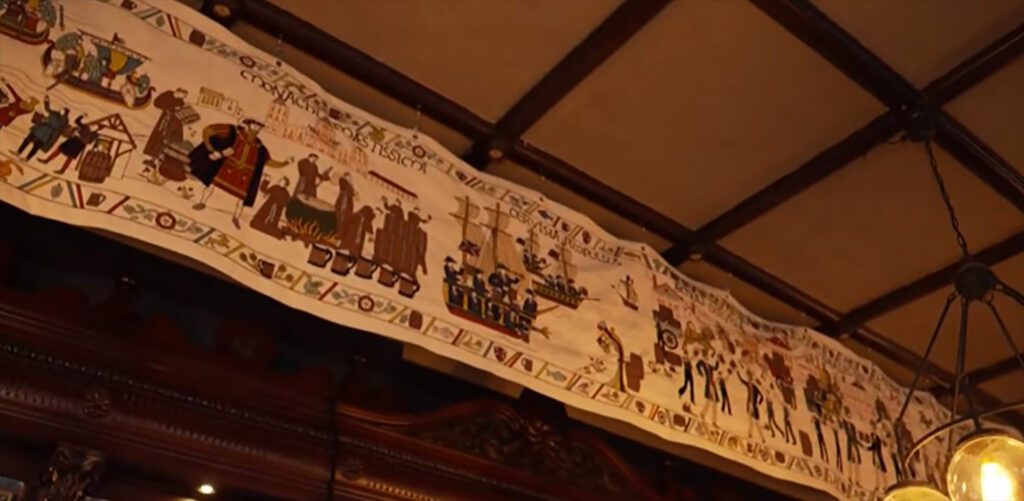
While the British Museum prepares to host the legendary Bayeux Tapestry this fall, a historic pub just across the street decided beer deserved its own epic. The Museum Tavern on Great Russell Street in Bloomsbury — a Greene King pub that’s poured pints since the 18th century — has unveiled an eight-meter embroidered “Beer Tapestry” tracing the story of British brewing from the Norman Conquest to the modern craft era, and for the month of September the pub has even renamed itself “The Beer Tapestry” to mark the occasion.

The tapestry was created as a tongue-in-cheek response to the Bayeux Tapestry’s arrival, picking up the storytelling thread where the famous Norman embroidery leaves off — the tale begins in 1066 and unfolds across eight illustrated scenes running from the Norman conquest through the arrival of hopped beer, the dissolution of monastic brewhouses, the rise of Greene King, and the impact of war on the brewing industry. Greene King head brewer Jack Palmer called it a fun way to spotlight the heritage of the original Bayeux piece while sneaking in a beer history lesson, and the brewery even released a limited-edition dark copper cask ale, also called The Beer Tapestry, to go with it. Unlike its 1,000-year-old inspiration across the street, this one comes with a bar stool and a pint within arm’s reach.

Address: The Museum Tavern, 49 Great Russell Street, Bloomsbury, London WC1B 3BA, UK
Website: greeneking.co.uk  

For Brewing fun fact, trivia, movies and more, Click Here.

Filed Under: Beer, English Pub, London, tapestry

Zieglerfest 2026: MadTree Brewing’s Oktoberfest Tradition Returns to Oakley

September 8, 2026 by Dow Scoggins

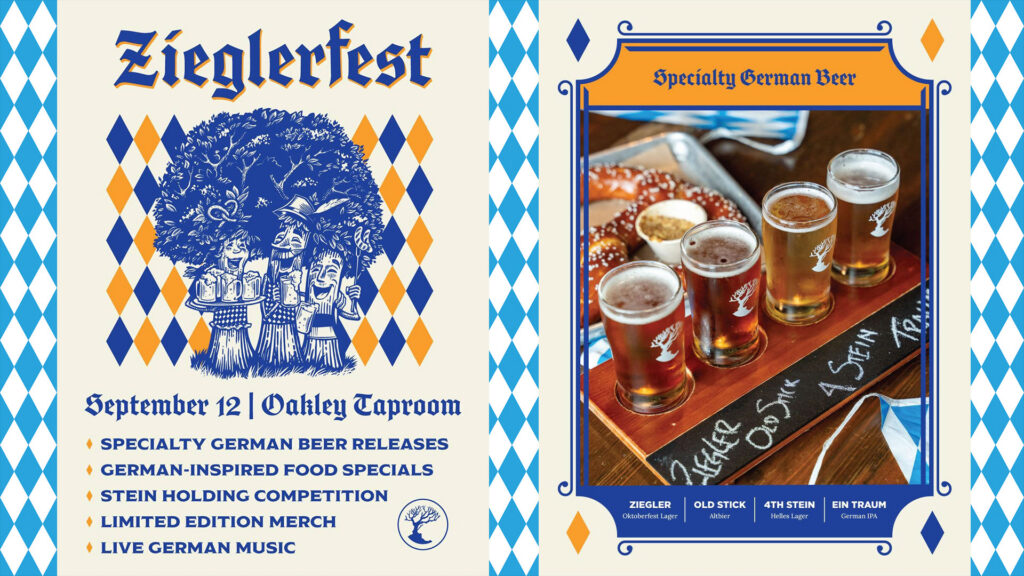
Cincinnati’s Oktoberfest season kicks into high gear on September 12 when MadTree Brewing throws open the doors of its Oakley Taproom for Zieglerfest, the brewery’s own homegrown celebration of German beer, food, and full-lederhosen fun. Named after Ziegler, MadTree’s award-winning Oktoberfest Lager, the event has become a Cincinnati tradition in its own right — and it’s only the centerpiece of a full month of Oktoberfest programming at the brewery.
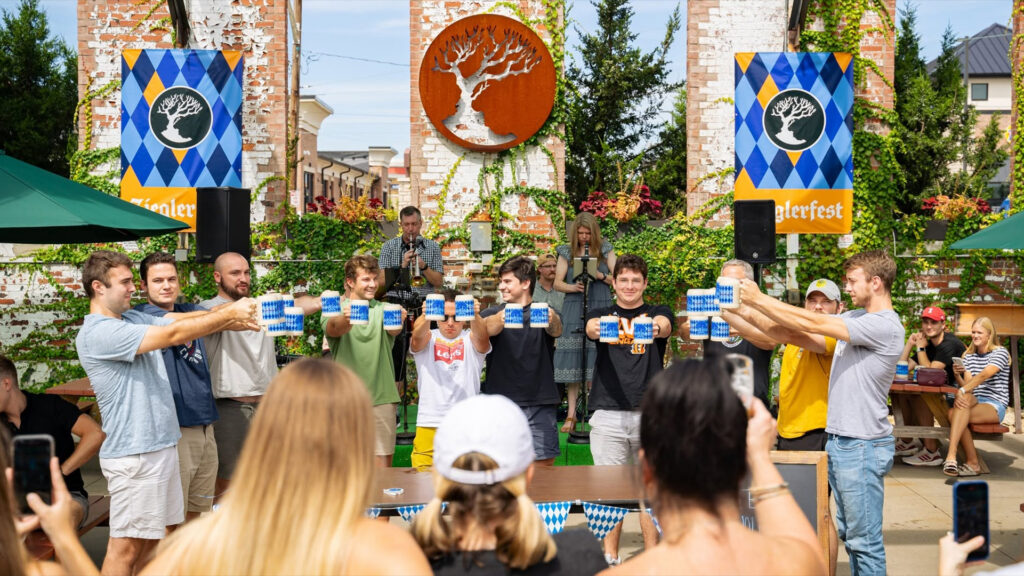
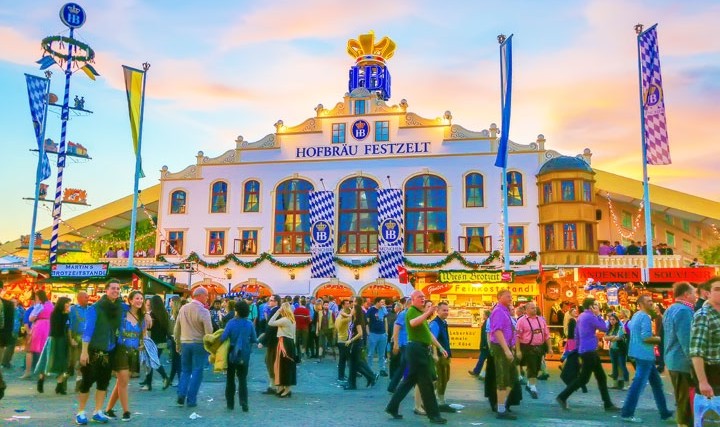
Photo by Madtree Brewing

The day kicks off at 10 a.m. with a registration-required Bingo session, followed by a Red Dog dog event at noon (leash up “das good boy” and bring them along). From 3 to 7 p.m., the live German band Hopfenbläser takes the stage while steady hands compete in the stein-holding competitions — Cincinnati’s own test of who can hold a full liter mug out at arm’s length the longest without spilling a drop. German beer, food, and prizes run all day long. Beyond September 12, MadTree’s Oakley Taproom transforms into a full Bier Haus and Biergarten all month, pouring an exclusive Oktoberfest flight of four German-style beers: Ziegler (Oktoberfest Lager), Ein Traum (German IPA), The Fourth Stein (Helles), and Old Stick (Altbier), alongside food specials like the Ziegler Chicken Sandwich, Ziegler Wings, and giant Bavarian pretzels. MadTree will also carry the celebration downtown, pouring beer at Oktoberfest Zinzinnati September 17–20 at Sawyer Point and Yeatman’s Cove, with 1% of purchases benefiting the Cincinnati Parks Foundation.

Address: 3301 Madison Rd, Cincinnati, OH 45209
Website:
https://madtree.com/oktoberfest-beer-hall/

Filed Under: Beer, Beer Competition, Madtree Brewing, Oktoberfest

The Wild and Wonderful History of Oktoberfest

August 31, 2026 by Dow Scoggins

History of Oktoberfest 

A Toast to Tradition: The Wild and Wonderful History of Oktoberfest

It all started with a royal “I do” and a thundering horse race. On October 12, 1810, Crown Prince Ludwig of Bavaria married Princess Therese of Saxe-Hildburghausen. To celebrate, they threw a party so epic it would become an annual tradition. Five days later, on October 17, Munich gathered at the city’s edge for horse races in honor of the newlyweds. That celebration laid the foundation for what we now know as Oktoberfest.

Fast forward to 1850, and Oktoberfest had become more than just a party—it was a parade of Bavarian pride. Each year, 8,000 people dressed in traditional attire march through the heart of Munich from Maximilian Street to the Wiesn, led by the symbolic Münchner Kindl (Munich Child). That same year, the imposing Bavaria statue was completed, standing tall above Theresienwiese, forever watching over the revelers below like a stein-wielding guardian angel of the festival.

Of course, not all years were brimming with bratwurst and beer. In 1854 and again in 1873, cholera epidemics halted the festivities. In 1866 and 1870, wars kept the steins dry. But Oktoberfest kept bouncing back, evolving with the times. By 1880, electric lights twinkled above the tents. The following year, bratwurst booths joined the fun. In 1892, glass beer mugs made their first appearance—giving everyone a crystal-clear view of their favorite beverage.

As Oktoberfest strutted into the 20th century, it kept getting bigger and better. In 1887, the now-famous Entry of the Oktoberfest Staff and Breweries debuted, showcasing magnificent beer wagons, costumed workers, and oompah bands parading through the streets. It’s still the grand kickoff to Oktoberfest today.

By 1910, Oktoberfest turned 100—and the party was as grand as you’d expect. An eye-popping 120,000 liters of beer were served, and a new legend was born: the Bräurosl tent, which could hold an incredible 12,000 thirsty guests. Today’s heavyweight is the Hofbräu-Festhalle, packing in 10,000 merrymakers.

The Dark Years: When the Taps Went Dry
Oktoberfest hasn’t always been a guaranteed good time. Between 1914 and 1918, World War I put a full stop to the celebration. Post-war austerity turned Oktoberfest into a humbler “Autumn Fest” for a couple of years. Then came the 1920s and a nasty bout of hyperinflation that put another dent in the keg.

By 1933, politics crept in as the Bavarian flag was replaced with the swastika under Nazi rule. World War II brought yet another halt from 1939 to 1945. Even in the late 1940s, Munich had to make do with low-alcohol beer and toned-down “Autumn Fests.” All told, Oktoberfest has been canceled 24 times due to war, disease, or disaster—but never for lack of spirit.

The Modern Era: Big Tents, Big Beers, and Big Changes
Since 1950, a boisterous and beloved tradition has kicked things off: At noon on opening day, the Mayor of Munich taps the first keg and shouts, “O’zapft is!” (“It’s tapped!”). With a 12-gun salute and the ceremonial passing of the first beer to the Bavarian Minister-President, the festivities begin. The honor of that first tap went to Mayor Thomas Wimmer—and the ritual still kicks off Oktoberfest today.

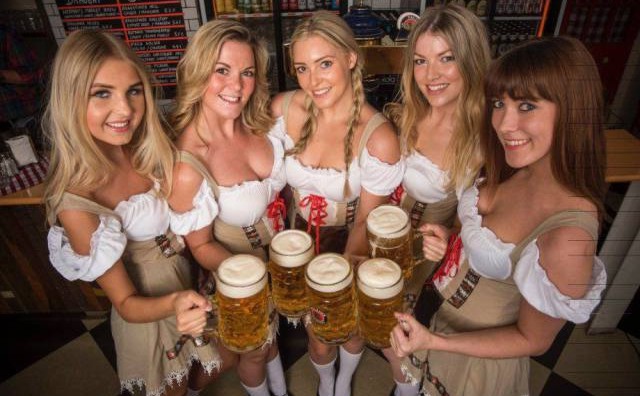
By the 1960s, Oktoberfest was an international sensation. Tourists began associating Germans with feathered Sennerhüte, Lederhosen, and women in Dirndls—and, for better or worse, the stereotype stuck. That same year marked the end of the original horse races, but no one seemed to miss them amid the sea of pretzels and polkas.

Of course, with millions of beers being poured, a few overzealous drinkers always end up going down for the count. Enter the term “Bierleichen”—beer corpses. These are the partygoers who pass out and are gently carted off to medical tents for a nap and a recovery snack.

To make the festival more family-friendly, 2005 introduced the idea of a “quiet Oktoberfest.” Before 6 PM, tents limit their music to mellow brass bands playing traditional tunes at no more than 85 decibels—loud enough to lift your spirits, but soft enough for Grandma to enjoy her stein in peace. After dark, things ramp up with Schlager and pop music, keeping the late-night crowd grooving (and hopefully not brawling).

Also returning in 2005 was a beloved blast from the past: the Mondlift, Germany’s last traveling Enterprise ride. It’s the perfect thrill after a liter or two—if your stomach can handle it.

In 2008, things got a little less smoky. A Bavarian law banned smoking in enclosed public spaces, including the beer tents. But Oktoberfest found a loophole: since the tents are technically temporary structures, smoking was allowed, though selling tobacco inside was a no-go. That rule held firm into 2009 and beyond, with the smoke slowly clearing out of the beer halls.

Oktoberfest Today: A Global Icon
From royal weddings to wartime interruptions, from candlelit tents to laser-lit beer halls, Oktoberfest has seen it all. Today, it’s a glorious mix of old-school charm and modern flair—where tradition meets turbo-charged fun. Whether you’re hoisting a Maß in Munich or throwing your own backyard Oktoberfest, remember: It’s not just a festival—it’s a feeling.

 
Top 10 Oktoberfest Celebrations in the U.S.
Oktoberfest Zinzinnati – Cincinnati, Ohio

As the largest Oktoberfest celebration in the United States, Oktoberfest Zinzinnati transforms downtown Cincinnati into a vibrant Bavarian village each September. Drawing nearly a million visitors annually, the festival is famous for its quirky events like the Running of the Wieners dachshund race and the World’s Largest Chicken Dance. Featuring more than 50 varieties of beer, authentic German food, and nonstop polka music, Zinzinnati delivers the closest American experience to Munich’s original.
Address: Sawyer Point Park and Yeatman’s Cove, Cincinnati, OH 45202
Website: oktoberfestzinzinnati.com

Nashville Oktoberfest – Nashville, Tennessee
Held in the historic Germantown district, the Nashville Oktoberfest blends Southern hospitality with Bavarian tradition. Spanning multiple city blocks, this four-day celebration offers authentic German beers, bratwursts, schnitzels, and plenty of festive entertainment. Highlights include the massive beer garden, live German bands, a 5K Bier Run, and the wildly popular Dachshund Derby. It’s one of the South’s liveliest fall festivals, attracting hundreds of thousands each year.
Address: Historic Germantown, Nashville, TN 37219
Website: thenashvilleoktoberfest.com

Wurstfest – New Braunfels, Texas
Wurstfest is a unique Texas twist on a traditional German celebration, taking place along the Comal River in New Braunfels—a town founded by German settlers. This 10-day “Salute to Sausage” combines carnival rides, oompah bands, polka dancing, and a smorgasbord of German and Texan cuisine. The atmosphere is electric, with thousands gathering each night to raise steins and dance in dirndls and lederhosen.
Address: 120 Landa St, New Braunfels, TX 78130
Website: wurstfest.com

Frankenmuth Oktoberfest – Frankenmuth, Michigan
Often called “Michigan’s Little Bavaria,” Frankenmuth boasts a charming Bavarian aesthetic that makes it the perfect backdrop for an Oktoberfest celebration. In fact, its Oktoberfest is the only one outside Germany officially sanctioned by Munich’s original organizers. Guests can expect Hofbräuhaus beer, traditional German folk dancing, and plenty of pretzels and schnitzel—all set within a storybook town that feels like a European escape.
Address: Heritage Park, Frankenmuth, MI 48734
Website: frankenmuthfestivals.com

La Crosse Oktoberfest – La Crosse, Wisconsin
One of the oldest and most respected Oktoberfest events in the Midwest, La Crosse Oktoberfest began in 1961 and has been a staple of Wisconsin tradition ever since. The multi-day festival includes grand parades, tapping of the golden keg, live performances, and a large Oktoberfest grounds with food stalls and beer tents. Nestled along the Mississippi River, La Crosse delivers a scenic and spirited atmosphere that keeps locals and tourists coming back year after year.
Address: 1 Oktoberfest Strasse, La Crosse, WI 54602
Website: oktoberfestusa.com

Helen Oktoberfest – Helen, Georgia
Nestled in the Blue Ridge Mountains, Helen is a recreated Bavarian village that feels tailor-made for Oktoberfest. The celebration here spans multiple weeks from mid-September to late October, making it the longest-running Oktoberfest in the United States. The Helen Festhalle becomes the heart of the action, where polka bands, hearty food, and beer flow freely in a uniquely picturesque setting.
Address: Helen Festhalle, 1074 Edelweiss Strasse, Helen, GA 30545
Website: helenchamber.com/oktoberfest

Leavenworth Oktoberfest – Leavenworth, Washington
Leavenworth, a charming Alpine-style village in the Cascades, hosts one of the most beloved Oktoberfests in the Pacific Northwest. The festival features traditional German bands flown in from Europe, a Kinderplatz for families, and three massive beer gardens. With its cobblestone streets, half-timbered architecture, and mountain views, Leavenworth offers a picture-perfect setting for fall festivities.
Address: Festhalle & Front Street Park, Leavenworth, WA 98826
Website: leavenworth.org/oktoberfest

Mount Angel Oktoberfest – Mount Angel, Oregon
This Oregon town with deep German roots has been celebrating Oktoberfest since 1966, and it’s one of the most family-friendly and culturally rich in the country. The festival features multiple venues, each with its own theme, live entertainment, and food offerings. From the Weingarten to the Biergarten, Mount Angel Oktoberfest celebrates music, dancing, and culinary traditions in the shadow of a beautiful Benedictine Abbey.
Address: 5 N Garfield Street, Mount Angel, OR 97362
Website: oktoberfest.org

Fredericksburg Oktoberfest – Fredericksburg, Texas
In the heart of Texas Hill Country, Fredericksburg’s German heritage comes alive each fall during Oktoberfest. Known for its welcoming charm, this three-day event features craft beer, local wine, Bavarian bands, and artisan markets. With a laid-back pace and scenic surroundings, Fredericksburg Oktoberfest is ideal for those seeking a more relaxed and intimate experience.
Address: Marktplatz, 100 W. Main Street, Fredericksburg, TX 78624
Website: oktoberfestinfbg.com

Oktoberfest Denver – Denver, Colorado
Held over two weekends in the historic Ballpark neighborhood, Denver’s Oktoberfest has become a Rocky Mountain tradition. Founded in 1969, the event features stein-hoisting competitions, keg bowling, bratwurst eating contests, and plenty of German beer. With the Denver skyline as its backdrop, this high-altitude celebration fuses Colorado craft with Old World tradition.
Address: Larimer St between 20th & 22nd, Ballpark neighborhood, Denver, CO 80205
Website: thedenveroktoberfest.com


For Brewing fun fact, trivia, movies and more, Click Here.

Filed Under: Beer, craftbeer, Oktoberfest

DESTIHL Launches “Normal Beer,” a No-Frills American Light Lager Brewed in Normal, Illinois

August 30, 2026 by Dow Scoggins

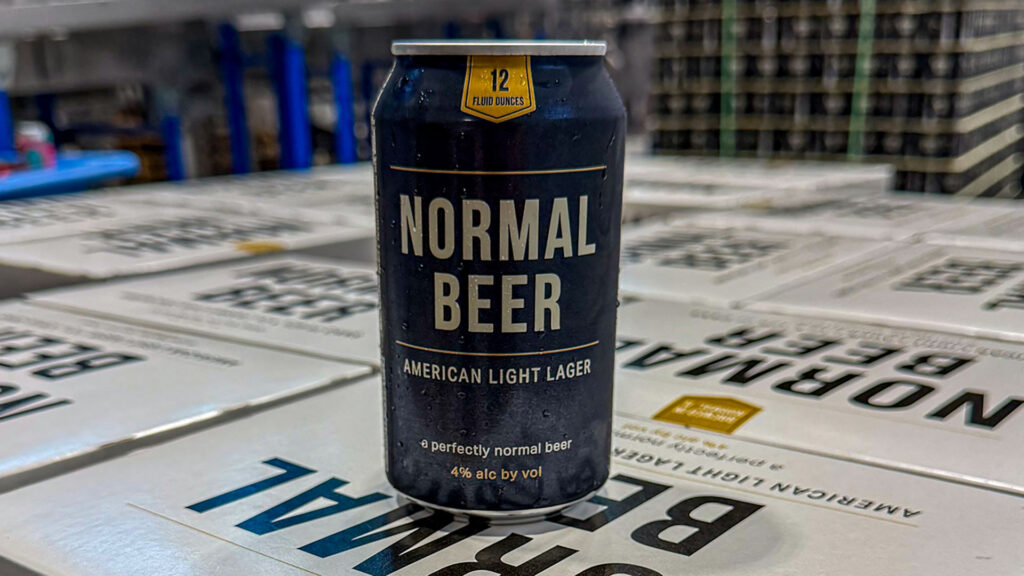
DESTIHL Launches "Normal Beer," a No-Frills American Light Lager New standalone brand skips the tasting notes and trend-chasing for a straightforward, all-malt light lager — debuting across Illinois this September ahead of a wider rollout through DESTIHL’s national footprint.

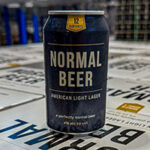
NORMAL, Ill. — DESTIHL Holdings, LLC, the Central Illinois beverage and hospitality company behind DESTIHL Brewery, DESTIHL Spirits, and its Canopolis co-manufacturing arm, has introduced Normal Beer, a new standalone American Light Lager built on one simple premise: beer doesn’t have to be complicated. The rollout starts in Illinois this September, with expansion planned into DESTIHL’s roughly 40-state distribution network in the months that follow.

The launch leans into a growing appetite for less noise — fewer influencers, fewer fads, fewer opinions on what you’re “supposed” to drink — and more of what’s familiar. Normal Beer is pitched as exactly that: a normal beer for normal occasions.

It’s also a clear break from DESTIHL’s usual playbook. The brewery built its name on bold, adventurous styles — its DeadHead IPA Series and Wild Sour Series among them — so Normal Beer intentionally goes the other direction: light, easy-drinking, lower ABV, and priced for everyday use.

Where it does keep a craft-brewer’s touch is the grain bill: 100% barley malt, no rice or corn adjuncts, a detail that sets it apart from most light lagers on the shelf. It checks in at 4.0% ABV and 99 calories per 12 oz. serving.

Normal Beer will ship in 12-packs of 12 oz. cans (suggested retail $15.99–$16.99) and in draft kegs for bars and restaurants.

“Beer got complicated somewhere along the way — tasting notes, star ratings, everyone telling you what to drink,” said Matt Potts, Founder and CEO of DESTIHL Holdings. “Normal Beer is a clean, all-malt lager with no shortcuts, made for the stuff people actually do — cookouts, fishing trips, tailgates, firepits, golf, yard work, every cooler worth opening. It’s a perfectly normal beer, and we think that’s exactly what people are craving right now.”

Sold and produced by DESTIHL Brewery, Normal Beer carries its own name, packaging, and identity apart from the company’s craft portfolio. It launches first in its namesake hometown of Normal, Illinois, before expanding statewide and beyond.

More on the brand, including photos and backstory, is available at getnormalbeer.com. Learn more about DESTIHL Brewery at destihl.com.

About Normal Beer
Normal Beer is an American Light Lager brewed with 100% barley malt and no adjuncts, produced by DESTIHL Brewery in Normal, Illinois. It’s built for drinkers who just want a beer to be a beer — clean, crisp, and uncomplicated. #DrinkNormalBeer | getnormalbeer.com

More about DESTIHL Brewery
DESTIHL Brewery traces its roots to a five-gallon home-brew kit founder and CEO Matt Potts received as a Christmas gift from his wife, Lyn, in 1995. That hobby eventually grew into DESTIHL Restaurant & Brew Works, which opened in Normal, Illinois, on November 23, 2007, pairing scratch-made pub food with beers built to push past the ordinary. As demand grew, the company opened a production brewery in Bloomington in May 2013, then moved operations into a new 47,000-square-foot Brewery & Beer Hall in Normal in May 2017 — a facility centered on a 120-barrel brewhouse capable of producing over 150,000 barrels a year. Today, DESTIHL ranks among the top 100 regional breweries by volume out of nearly 10,000 U.S. breweries, with distribution in close to 40 states.

Beyond its flagship brewery, DESTIHL has built out a wider beverage and hospitality portfolio. Its beer lineup runs from bold, boundary-pushing releases like the DeadHead IPA Series and Wild Sour Series to local collaborations such as Redbird Ale and Battle Bird Lager, officially licensed beers made with Illinois State University. The company has also expanded into spirits through DESTIHL Spirits and into contract beverage production through its Canopolis co-manufacturing division, which brews and packages for other brands. With its newly launched Normal Beer, DESTIHL now spans everything from experimental craft styles to a stripped-down, easy-drinking lager — all rooted in the same Normal, Illinois, brewery that started it all. Website: https://destihl.com/

For Brewing fun fact, trivia, movies and more, Click Here.

Filed Under: Beer, breweries

Cider Summit Seattle Toasts 15 Years of Bubbles, Bites, and Big Crowds in South Lake Union

August 17, 2026 by Dow Scoggins


Mark your calendars, cider lovers — Cider Summit Seattle is turning 15, and the Emerald City’s favorite fizzy celebration is bringing its biggest party yet to the Lawn at Discovery Center. On September 11 and 12, 2026, more than 40 cidermakers will pour upwards of 125 different ciders, meads, cider cocktails, and fruit spirits for a weekend that’s part tasting room, part block party, and part love letter to Pacific Northwest craft beverage culture. Since its founding, Cider Summit has grown into the region’s signature cider event, and this year’s milestone anniversary comes loaded with extras: a hosted four-course cider-and-cupcake pairing, a dog-friendly lounge, a fruit cider showdown decided by festival-goers themselves, and enough Seattle food-truck fare to fuel a full day of sipping. Whether you’re a cider die-hard or just cider-curious, this is the kind of event where you show up for the drinks and stay for the discovery.

Details worth raising a glass to:

  • Friday, September 11: 3–8 p.m. (VIP entry starts at 2 p.m.)
  • Saturday, September 12: Noon–5 p.m., plus an 11 a.m. cider-and-cupcake pairing session
  • Where: The Lawn at Discovery Center, 101 Westlake Ave. N, South Lake Union
  • Tickets: VIP from $45, General Admission from $35 (prices rise closer to the event and at the gate)
  • Bonus: Designated driver tickets available at the gate for $10–$11, complimentary water included
  • 21+ event — no minors allowed

Beyond the pours, festivalgoers can wander the Heritage Cider Pavilion for small-batch, farm-based ciders, vote in the Oregon Fruit Co. Fruit Cider Challenge, browse festival merch at the event store, and let their pups relax at the Dog Lounge, hosted by Seattle Humane Society. Proceeds from the weekend help support the Institute for Myeloma & Bone Cancer Research, Seattle Humane Society, and the NW Cider Association — so every sip does a little good, too.

History of Cider Summit
Long before “craft cider” was a household phrase, Cider Summit founder Alan Shapiro was cutting his teeth in the beverage world as one of the earliest sales reps for Pete’s Brewing Company, the outfit behind Pete’s Wicked Ale — one of America’s original craft beer brands. Those years forged a relationship with industry friend Mark Browner, who Shapiro credits with planting the seed for today’s Cider Summit. Cider itself entered the picture in 2003, when Shapiro founded SBS Imports and secured U.S. rights to import Aspall Cyder from Suffolk, England. A visit to the historic cidery left a lasting impression, sparking his mission to build American craft cider into a category as vibrant as craft beer. After a couple years of planning, Shapiro partnered with the team behind Seattle Beer Week, and the very first Cider Summit launched in Seattle in September 2010 — an instant hit that quickly expanded to Portland, Chicago, and the San Francisco Bay Area. Fifteen years later, Shapiro is still at the helm, still introducing new producers to curious drinkers, and still proving cider deserves just as much spotlight as beer or wine.

Address: 101 Westlake Ave N, Seattle, WA 98109
Website: https://cidersummitseattle.com

Filed Under: Cider, Seattle, Washington

Celebrating National S’mores Day with Short’s Brewing S’more Stout

August 10, 2026 by Dow Scoggins

There’s no wrong way to celebrate National S’mores Day, but there might be a best way — and it involves a beer that was built to taste like the treat itself. Short’s Brewing Company out of Bellaire, Michigan, has been perfecting its S’more Stout since 2008, brewing it with graham cracker, chocolate, marshmallow, and smoked malt so that every sip hits the same notes as the real thing: sweet marshmallow cream, milk chocolate, and a lingering whisper of campfire smoke. Legend has it the beer was a joint effort between Short’s founders, and nobody can quite agree who gets the credit — but everyone agrees it’s one of the brewery’s most beloved stouts.

So here’s the move for August 10th: build a proper s’more — toasted marshmallow, a square of milk chocolate, two graham crackers, the works — and pour a S’more Stout right alongside it. If you really want to do it right, do what Short’s does at the pub and top your glass with a marshmallow set on fire with a match. It sounds like a party trick, but that flash of caramelized sugar and smoke is exactly what makes the beer sing. Between the actual dessert and the beer that mimics it, you get a double dose of campfire nostalgia without needing to build an actual fire.

What makes this stout a legend in the s’mores-beer category isn’t just the flavor — it’s the origin story. Short’s first attempted the recipe back in 2008, and it was one of the most challenging beers they’d ever brewed — tracking down five-gallon buckets of marshmallow fluff and 20-pound bars of milk chocolate isn’t exactly standard brewery shopping. A year later they dialed in the smoked malt for that extra campfire kick, and a beer that started as a pub inside joke turned into one of Short’s most popular stouts ever made. Drink it fireside in the fall, or just close your eyes and pretend — either way, don’t skip the flaming marshmallow. Short’s really means it.

Address: 121 N. Bridge St, Bellaire, MI 49615
Website: https://www.shortsbrewing.com/beers/smore-stout/

Filed Under: imperial stout, s'more, shorts brewing, stout

  • Page 1
  • Page 2
  • Page 3
  • Interim pages omitted …
  • Page 28
  • Go to Next Page »

Primary Sidebar

Follow us

  • Email
  • Facebook
  • Instagram
  • Twitter
  • YouTube

2026 U.S. Open Beer Championship Registration is now open  

 
2025 U.S. Open Cider Championship  
Medal Winners

Archives

  • September 2026
  • August 2026
  • July 2026
  • June 2026
  • May 2026
  • April 2026
  • March 2026
  • February 2026
  • January 2026
  • December 2025
  • November 2025
  • October 2025
  • September 2025
  • August 2025
  • July 2025
  • June 2025
  • May 2025
  • April 2025
  • March 2025
  • February 2025
  • January 2025
  • December 2024
  • November 2024
  • October 2024
  • September 2024
  • August 2024
  • July 2024
  • May 2024
  • April 2024
  • March 2024
  • November 2023
  • October 2023
  • August 2023
  • July 2023
  • June 2023
  • May 2023
  • April 2023
  • October 2022
  • May 2022
  • February 2022
  • January 2022
  • June 2021
  • March 2021
  • December 2020
  • September 2020
  • August 2020
  • July 2020
  • June 2020
  • February 2020
  • November 2019
  • February 2019
  • May 2018
  • April 2018

Copyright © 2026 · BeerInfo.com. All Rights Reserved.