St. Patrick’s Day by the Numbers
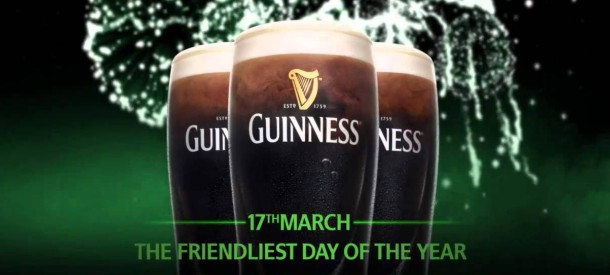
On St. Patrick’s Day, an estimated 13 million pints of Guinness are consumed worldwide, fueling celebrations from Dublin to Dubai. In the United States, about 60% of Americans plan to join the festivities, contributing to a staggering $5.9 billion in total spending. The average reveler shells out around $40 on green attire, drinks, and food.
Iconic traditions shine in Chicago, where 45 pounds of eco-friendly vegetable dye have turned the river a brilliant emerald since the practice began in 1962. Meanwhile, a leprechaun’s mythical pot of gold—holding 1,000 one-ounce coins—would be worth roughly $1.3 million at current gold prices. St. Patrick’s Day ranks as the fourth-most popular drinking holiday in the U.S., trailing only New Year’s Eve, Christmas, and the Fourth of July. Sixteen American cities bear the name Dublin, and the nation’s first St. Patrick’s Day parade marched through Boston in 1737—decades before Ireland held its own.
American St. Patrick’s Day
St. Patrick’s Day in the United States is a boisterous, emerald-hued spectacle that transforms cities into Irish wonderlands every March 17. Rooted in the veneration of Ireland’s patron saint, the holiday arrived with waves of Irish immigrants in the 18th and 19th centuries and quickly evolved from solemn religious observances into a full-throated celebration of Irish heritage and general revelry. In cities with large Irish-American populations—Boston, Chicago, New York, and Savannah—parades draw hundreds of thousands of spectators. Chicago famously dyes its river a vivid green using an environmentally safe vegetable-based dye, a tradition started in 1962 by plumbers who noticed the color lingering after testing for pollution. Bagpipers in kilts, step dancers with lightning-fast feet, and floats sponsored by local unions and businesses wind through downtown streets while spectators, many sporting shamrock antennae or “Kiss Me, I’m Irish” pins (regardless of actual ancestry), cheer and toss beads.
The day is as much about communal indulgence as cultural pride. Bars open early, serving green beer, Irish car bombs, and corned beef with cabbage to crowds decked out in every shade of green imaginable. House parties spill onto porches, and even non-Irish Americans join in, turning the holiday into a universal excuse for daytime drinking and good-natured mischief. In New York, the St. Patrick’s Day Parade—dating back to 1762 and billed as the world’s oldest and largest—marches up Fifth Avenue past St. Patrick’s Cathedral, where the Archbishop offers a blessing. Though the festivities can get rowdy, with police managing overflowing sidewalks and occasional overindulgers, the overwhelming mood is one of inclusive joy, a mid-March reminder that, for one day, everyone claims a drop of Irish blood.
Top 10 Beer Festivals in America plus a few more: Click Here!