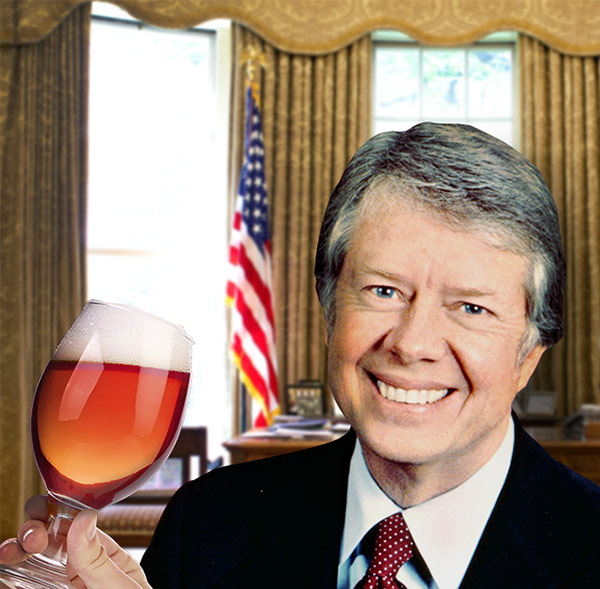
On October 14, 1978, President Jimmy Carter signed H.R. 1337, a fairly dull transportation-tax bill that happened to carry a small amendment with an outsized future. Tucked inside was language sponsored by California Senator Alan Cranston that, for the first time since Prohibition, made it legal for Americans to brew beer at home for personal use. When the law took effect on February 1, 1979, it allowed each adult to make up to 100 gallons a year, or 200 gallons for a household with two or more adults. Nobody at the signing could have guessed that this footnote would help launch the craft beer revolution.
Prohibition ended in December 1933, but the repeal left a strange gap. Federal law specifically allowed heads of households to make wine and cider at home, yet beer was left out. For more than four decades, brewing a batch of ale in your kitchen technically remained a federal offense. Plenty of people did it anyway — homebrew supply shops sold “malt extract for baking” with a wink — but the hobby lived in the shadows, with little shared knowledge, few quality ingredients, and no clubs or competitions to speak of.
The 1978 change simply put beer on equal footing with wine. It was a small fix on paper, but it brought an entire hobby out into the open.
From the Kitchen to the Brewhouse
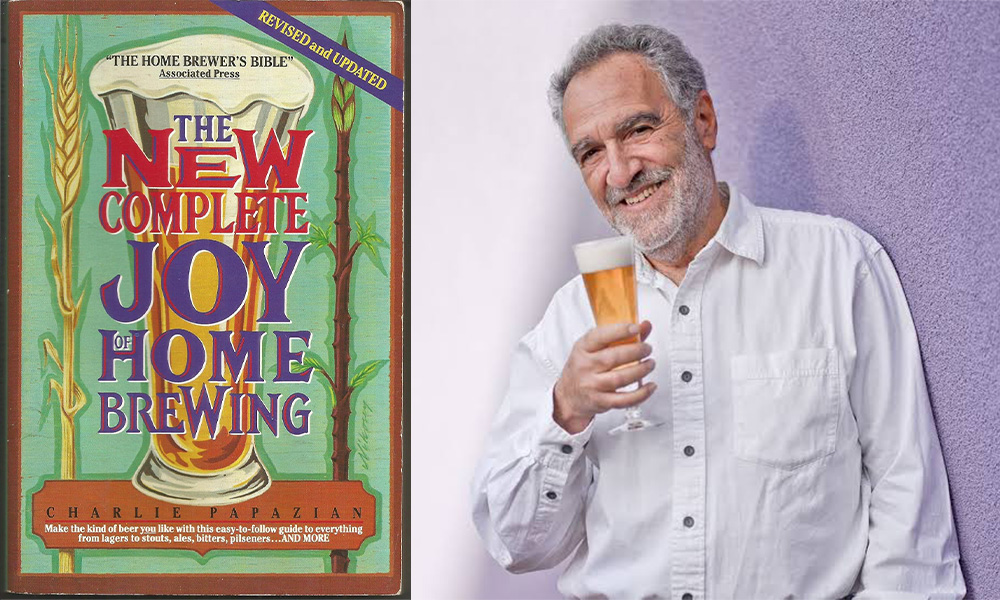
The timing was perfect. In December 1978, just weeks after the bill was signed, Charlie Papazian and Charlie Matzen founded the American Homebrewers Association in Boulder, Colorado, and began publishing Zymurgy magazine. Papazian’s later book, The Complete Joy of Homebrewing, became the bible for a generation with the advice “Relax. Don’t worry. Have a homebrew.” Clubs sprang up, recipes got shared, and competitions gave brewers honest feedback on their beer.
Those homebrewers became the founders of America’s craft breweries. Jack McAuliffe, a homebrewer, had already opened New Albion Brewing in 1976, and in the decade that followed, kitchen brewers turned pro across the country — Sierra Nevada’s Ken Grossman among them. Dow Scoggins rode that same wave when he started Friends Brewing in Helen, Georgia in 1989, the first craft brewery in the state. Today, a large share of the brewers that Dow and his son Cam hand medals to at the U.S. Open Beer Championship got their start the same way: a pot on the stove and a recipe they couldn’t stop tinkering with.
The States Took Their Time
The federal law didn’t settle everything. Alcohol regulation still falls largely to the states, and some were slow to follow. It took until 2013 for the last two holdouts, Mississippi and Alabama, to legalize homebrewing, finally making it legal in all 50 states — 35 years after Carter’s signature.
Raise a Glass Today
Fewer than 100 breweries were operating in the U.S. when the law was signed. Today there are more than 9,000, along with an estimated one million-plus homebrewers. So if you have a batch fermenting in the basement, or you’re just enjoying a hazy IPA from your local taproom, take a moment this October 14th to toast a quiet bill signing that changed American beer forever.