• Skip to secondary menu
  • Skip to main content
  • Skip to primary sidebar

Beer Info

Beer News, Beer Releases and New Breweries

  • Home
  • Top 10 Beers
    • Ales
    • Lagers
    • Barrel Aged
    • Hybrid
    • Specialty
  • GABF
    • 2024 GABF
    • 2023 GABF
    • 2021 GABF
    • 2022 GABF
    • 2020 GABF
    • 2019 GABF
    • 2018 GABF
    • 2017 GABF
    • 2015 GABF
    • 2014 GABF
    • 2013 GABF
    • 2012 GABF
    • 2011 GABF
    • 2010 GABF
    • 1987 GABF
  • World Beer Cup
    • 2025 World Beer Cup
    • 2022 World Beer Cup
    • 2018 World Beer Cup
    • 2016 World Beer Cup
    • 2014 World Beer Cup
    • 2012 World Beer Cup
    • 2010 World Beer Cup
    • 2008 World Beer Cup
    • 2006 World Beer Cup
    • 2004 World Beer Cup
    • 2002 World Beer Cup
    • 2000 World Beer Cup
    • 1998 World Beer Cup
    • 1996 World Beer cup
  • U.S. Open
    • 2022 U.S. Open
    • 2021 U.S. Open
    • 2020 U.S. Open
    • 2019 U.S. Open
    • 2018 U.S. Open
    • 2017 U.S. Open
    • 2016 U.S. Open
    • 2015 U.S. Open
    • 2014 U.S. Open
    • 2013 U.S. Open
    • 2012 U.S. Open
    • 2011 U.S. Open
    • 2010 U.S. Open
    • 2009 U.S. Open
  • U.S. Open Cider
    • 2021 U.S. Open Cider
    • 2020 U.S. Open Cider
    • 2019 U.S. Open Cider
    • 2018 U.S. Open Cider
    • 2017 U.S. Open Cider
    • 2016 U.S. Open Cider
    • 2015 U.S. Open Cider
  • More
    • Schools
      • United States
      • Canada
      • Europe
    • Writers
      • Edwin Arnaudin
        • Zebulon Artisan Ales
        • Highland Brewing
      • Morgan Forsyth
      • Paul Leone
      • Austin Foster
      • Anne-Fitten Glenn
    • Books
      • Starting a Brewery
      • Homebrew
      • History
      • Fun & Games
    • Fun Facts

News

Karl Strauss and Green Cheek to re-release Squawk Box IPA collaboration

June 25, 2025 by Dow Scoggins

Karl Strauss and Green Cheek to re-release Squawk Box IPA collaborationSAN DIEGO, CA – Get ready for a hoppy summer vibe! Karl Strauss Brewing Company from San Diego and Green Cheek Beer Co. from Orange, CA, are teaming up to bring back their fan-favorite Squawk Box IPA on Thursday, June 26. This juicy, citrus-packed IPA, first launched in 2023, will be pouring on tap and available in 16-oz four-packs at all nine Karl Strauss brewpubs and Green Cheek’s four Southern California tasting rooms. Beer lovers can also find it at select bars, restaurants, and retailers across California, Arizona, and Nevada.

Squawk Box IPA (6.6% ABV) is a tropical tribute to Orange County’s citrus groves, bursting with sweet orange, stone fruit, and a refreshing finish. Brewed for sunny days, this collaboration celebrates Southern California’s craft beer spirit. “We’re thrilled to partner with Green Cheek again,” said Paul Segura, Karl Strauss Brewmaster. “Squawk Box is all about good times and great beer, blending San Diego and Orange County’s love for bold, flavorful IPAs.” Plus, every pint sold on release day donates $1 to Restaurants Care, with 1% of all California sales supporting this nonprofit that aids restaurant workers in need, aligning with Karl Strauss’ 2025 Ridiculously Limited Release Series commitment.

About Karl Strauss Brewing Company
Founded in 1989, Karl Strauss Brewing Company holds the distinction of being San Diego’s first craft brewery established after Prohibition, marking a pivotal moment in the city’s rise as a craft beer capital. The brewery was born from the vision of cousins Chris Cramer and Matt Rattner, who partnered with Master Brewer Karl Strauss, a German-born brewing legend, to bring bold, innovative beers to Southern California. Starting with a single brewpub in Downtown San Diego, the brewery quickly gained a loyal following for its handcrafted beers, like the flagship Red Trolley Ale, and its commitment to quality and consistency. Over the decades, Karl Strauss has grown into a regional powerhouse, blending traditional brewing techniques with a West Coast flair that celebrates the vibrant, adventurous spirit of San Diego.

Today, Karl Strauss operates nine brewpubs across California, from San Diego’s 4S Ranch and Carlsbad to locations in Anaheim, Los Angeles, and Temecula, each serving as a community hub for beer enthusiasts. The brewery’s legacy is defined by its pioneering role in the craft beer movement, earning numerous awards and a reputation for beers that balance innovation with approachability. Collaborations like the Squawk Box IPA with Green Cheek Beer Co. reflect Karl Strauss’ ongoing commitment to pushing boundaries while staying rooted in its San Diego heritage. With a focus on sustainability, community engagement, and supporting causes like Restaurants Care, Karl Strauss continues to shape the craft beer landscape while honoring its trailblazing history.

About Green Cheek Beer Co. 
Green Cheek Beer Co. was founded in 2017 by lifelong friends Brian Rauso and Evan Price in Orange, California, with a mission to craft exceptional beers and foster a tight-knit community. The duo, who met while working at Noble Ale Works, leveraged their brewing expertise—Price as a GABF medal-winning brewer and Rauso as former CEO—to launch their venture after acquiring the equipment of the shuttered Valiant Brewing Company. Opening their first taproom in June 2017, they quickly gained acclaim, earning a silver medal at the 2018 World Beer Cup and multiple medals at the 2019 Great American Beer Festival for their hoppy West Coast IPAs and pale ales. Since then, Green Cheek has expanded to four locations in Orange, Costa Mesa, Sunset Beach, and Oceanside, becoming a Southern California staple known for its innovative beers, crispy lagers, and vibrant taproom experiences.

Top 10 Beer Festivals in America plus a few more: Click Here!


Filed Under: Beer, breweries

2025 Best of New Hampshire : Top Breweries, Brewpub, and Distillery

June 23, 2025 by Dow Scoggins

2025 Best of New Hampshire : Top Breweries, Brewpub, and Distillery

2025 Best of New Hampshire : Top Breweries, Brewpub, and Distillery
NH Magazine’s Best of New Hampshire 2025 Readers’ Poll, featured in the July 2025 issue, celebrates the Granite State’s vibrant craft beverage scene by recognizing the top breweries in each region, the best brewpub, and the best distillery. With over 100 breweries statewide, New Hampshire’s craft beer and spirits culture thrives, offering everything from hazy IPAs to farm-to-glass spirits. Below are the 2025 winners for the best breweries, brewpub, and distillery, as voted by readers, showcasing the diversity and excellence of the state’s brewing and distilling landscape.

Brewery – Concord Area
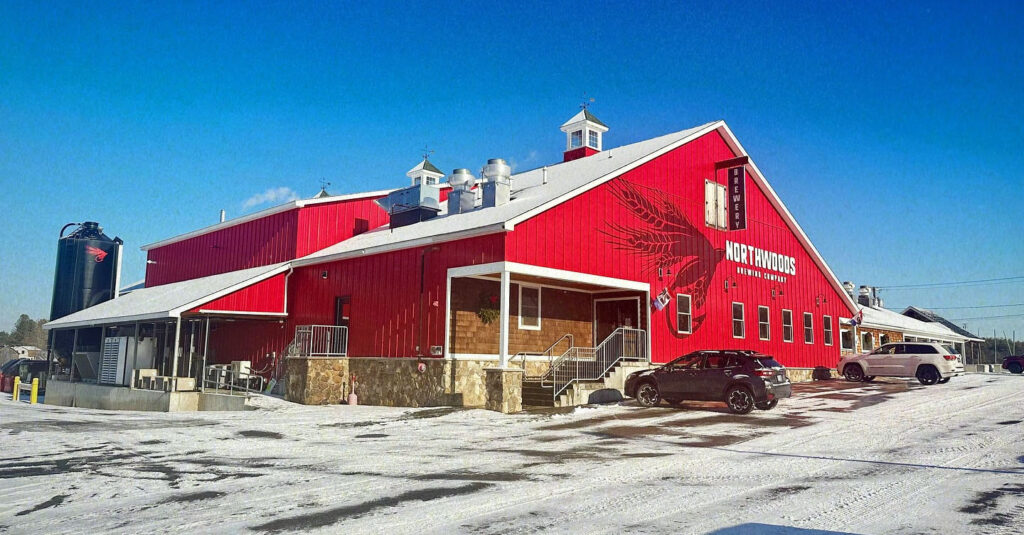
Northwoods Brewing Company (Northwood, www.northwoodsbrewingcompany.com)
Located in Northwood, Northwoods Brewing Company is a Concord-area favorite, known for its small-batch brews and community-focused taproom. Its creative beers and rustic charm make it a standout in the region.

Brewery – Dartmouth/Lake Sunapee Region
Flying Goose Brew Pub (New London, www.flyinggoose.com)
Flying Goose Brew Pub in New London combines a lively pub atmosphere with a diverse lineup of handcrafted beers. Its commitment to local ingredients and bold flavors earns it top honors in the Dartmouth/Lake Sunapee region.

Brewery – Great North Woods Region
Copper Pig Brewery (Lancaster, www.copperpigbrewery.com)
In the rugged Great North Woods, Copper Pig Brewery in Lancaster shines with its innovative brews and cozy taproom. This brewery captures the region’s adventurous spirit with its unique beer offerings.

Brewery – Lakes Region
Kettlehead Brewing Company (Tilton, www.kettleheadbrewing.com)
Kettlehead Brewing Company in Tilton is a Lakes Region gem, celebrated for its bold IPAs and experimental brews. Its modern taproom and dedication to quality make it a reader favorite.

Brewery – Manchester Area
603 Brewery and Beer Hall (Londonderry, www.603brewery.com)
Representing the Manchester area, 603 Brewery and Beer Hall in Londonderry offers a robust lineup of beers, including its popular Winni Ale. The spacious beer hall fosters a lively community vibe.

Brewery – Monadnock Region
Post & Beam Brewing (Peterborough, www.postandbeambrewery.com)
Post & Beam Brewing in Peterborough brings craft excellence to the Monadnock region with its carefully crafted ales and lagers. Its inviting taproom and focus on local flavors resonate with voters.

Brewery – Nashua Area
Spyglass Brewing Company (Nashua, www.spyglassbrewing.com)
Spyglass Brewing Company in Nashua stands out in the Nashua area with its innovative beers and sleek, modern taproom. Its creative approach to brewing secures its place as a 2025 winner.

Brewery – Salem Area
Kelsen Brewing Company (Londonderry, www.kelsenbrewing.com)
Kelsen Brewing Company in Londonderry, serving the Salem area, is renowned for its hop-forward beers like Vendel Imperial IPA. Its dedication to bold flavors makes it a regional favorite.

Brewery – Seacoast Region
Smuttynose Brewing Co. (Hampton, www.smuttynose.com)
A pillar of New Hampshire’s craft beer scene, Smuttynose Brewing Co. in Hampton leads the Seacoast with its iconic Finestkind IPA and diverse portfolio. Its vibrant taproom and Hayseed Restaurant enhance its appeal.

Brewery – White Mountains Region
Schilling Beer Co. (Littleton, www.schillingbeer.com)
Schilling Beer Co. in Littleton captures the White Mountains’ spirit with its European-inspired lagers and farmhouse ales. Its scenic taproom and traditional brewing techniques make it a top pick.

Best Brewpub
Woodstock Inn Brewery (North Woodstock, www.woodstockinnnh.com)
Woodstock Inn Brewery in North Woodstock earns the title of Best Brewpub, pairing its award-winning beers, like Pig’s Ear Brown Ale, with hearty pub fare. The brewery’s cozy inn and taproom create a welcoming retreat for White Mountains visitors.

Best Distillery
Flag Hill Distillery & Winery (Lee, www.flaghill.com)
Flag Hill Distillery & Winery in Lee takes the crown as Best Distillery, crafting exceptional spirits and wines with a focus on local ingredients. Its sustainable practices and picturesque setting, home to the Best of NH Party on June 26, 2025, make it a standout.

Why These Winners Stand Out
The 2025 Best of New Hampshire breweries, brewpub, and distillery winners reflect the unique character of New Hampshire’s regions. From Smuttynose’s Seacoast legacy to Schilling’s European flair in the White Mountains, each brewery showcases innovation and community pride. Woodstock Inn Brewery elevates the brewpub experience with its inviting atmosphere, while Flag Hill Distillery sets the standard for craft spirits. These winners, alongside regional stars like Kettlehead, 603 Brewery, and Copper Pig, highlight the Granite State’s dynamic craft beverage culture.

To taste these winning brews and spirits, visit their taprooms and distilleries or find their products at local retailers. Celebrate the state’s best at the Best of NH Party on June 26, 2025, at Flag Hill Distillery & Winery in Lee, featuring tastings and live music. The complete list of 2025 Readers’ Poll winners is available in the July 2025 issue of New Hampshire Magazine, on newsstands or online in late June 2025.

Top 10 Beer Festivals in America plus a few more: Click Here!
Filed Under: Beer, breweries

Wicked Weed Brewing Announces “You Deserve An Upgrade” Contest

June 20, 2025 by Dow Scoggins

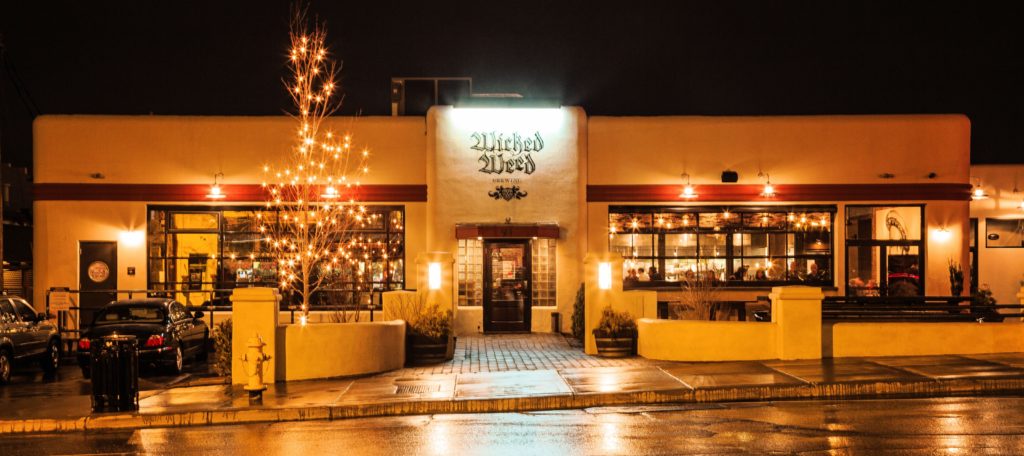
wicked weed brewing logo

Wicked Weed Brewing in Ashville, NCAsheville, North Carolina – Wicked Weed Brewing is excited to launch the “You Deserve An Upgrade” Contest, a summer initiative to celebrate and support community heroes. This contest invites fans to nominate individuals who deserve a significant life upgrade, offering a chance to win a $10,000 prize.

Nominate a Deserving Individual
From now until July 9, nominate someone who has made a positive impact in your community. This could be a local artist needing a studio refresh, a teacher dedicated to their students, a wedding planner creating dream days, or a disaster relief volunteer who could use personal support. Self-nominations are also welcome.

To participate, visit wickedweedbrewing.com/you-deserve-an-upgrade, share the nominee’s story, and explain why they deserve an upgrade. Entrants and nominees must be 21 or older and reside in a market where Wicked Weed products are available.

Wicked Weed IPAInspired by Pernicious IPA
The contest draws inspiration from Wicked Weed’s flagship Pernicious IPA, known for its slogan “Upgrade Your IPA.” As the #1 craft beer sold in the Carolinas and one of the fastest-growing craft beers nationwide (Source: Circana, NC & SC, TUS, L4W), Pernicious embodies quality and excellence, values reflected in this community-focused campaign.

“We’re passionate about quality in our beer and our community,” said Ryan Guthy, co-founder of Wicked Weed Brewing. “This contest is our way of honoring those who make our communities better and giving them the upgrade they deserve.”

How to Enter
Visit wickedweedbrewing.com/you-deserve-an-upgrade.
Submit a nomination by July 9.
Follow @WickedWeedBrewing on Instagram and use #YouDeserveAnUpgrade to join the conversation.

No purchase is necessary to enter. For full contest rules and eligibility, check the Wicked Weed Brewing website.

About Wicked Weed Brewing
Wicked Weed Brewing, founded in 2012 in Asheville, North Carolina, is a trailblazing craft brewery celebrated for its innovative beers and commitment to quality. Operating a 50-barrel production brewery, a dedicated sour beer facility, and three unique retail locations—including the original Brew Pub in downtown Asheville, the Funkatorium, the Southeast’s first mixed-culture taproom, and Wicked Weed West—Wicked Weed has become a cornerstone of the craft beer community.

Beyond brewing, Wicked Weed is deeply invested in fostering community connections. With a passion for quality in both its beers and its engagement with fans, Wicked Weed continues to push boundaries while honoring its Asheville roots. Learn more at WickedWeedBrewing.com or follow @wickedweedbrewing on Instagram.

Top 10 Beer Festivals in America plus a few more: Click Here!
Filed Under: Beer, Beer Competition

1897 Patent application for a sheet metal beer keg and the history of the Beer Keg

June 18, 2025 by Andrew Innes

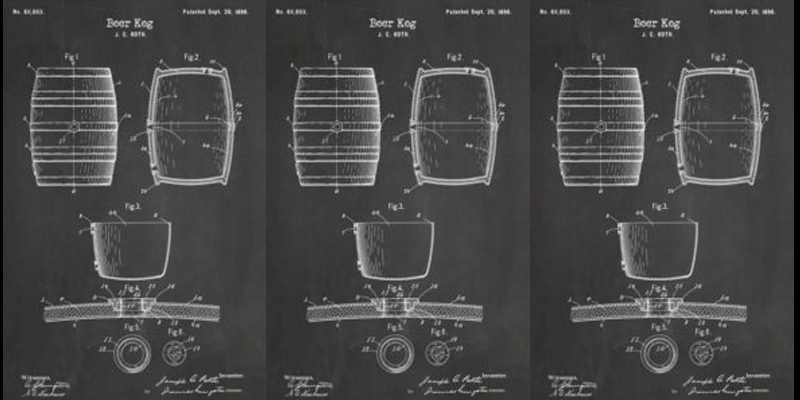
1897 Patent application for a beer keg or barrel submitted by Joseph C. Roth

Patent application for a beer keg or barrel submitted by Joseph C. Roth in 1897.

To all whom t may concern.-

Be it known that I, JOSEPH C. ROTH, a citizen of the United States, residing at Buffalo, in the county of Erie and State of New York, have invented certain new and useful Improvements in Kegs or Barrels, of which the following is a specification.

My invention relates to sheet-metal kegs or barrels, more particularly that class of barrels employed for beer, wines, or other liquors, and it will be fully and clearly hereinafter described and claimed, reference being had to the accompanying drawings, in which- Figure 1 represents a side elevation of a beer-keg made in accordance with my invention. Fig. 2 is a vertical section on or about line a  Fig. 1. Fig. 3 represents a vertical central section through one section of the in-V ner case of the keg or barrel. Fig. 4 represents an enlarged sectional elevation through a portion of a side of a keg, the section passing centrally through the bung-hole and showing the construction thereof. Fig. 5 represents a detached top view of one of the outwardly-screw-threaded inner rings. Fig. 6 represents a top face View of the improved bung.

Referring to the drawings in detail, 1 and 1 represent, respectively, the two outer sections, Which are preferably stamped from sheet steel of suitable size and thickness, one section being provided with an enlarged rim 2, which overlaps the edge 2n of the other section when tied together. The outer sections are also provided with strengthening enlarged portions or’peripheral rings 3, which are designed to represent the hoops of an ordinary barrel. The interior sections 4 and 4% are also preferably stamped from sheet-steel, the edge 5 of one section also being enlarged to overlap the edge 5 of the other. (See Fig. 2.) A filling of asbestos 6 is interposed between the outer and inner sections. material may be used, but asbestos is preferred on account of its Well-known fireproof qualities. y

Informing the bung-holes (see Fig. 4) a circular opening 7 is formed in the inner section, having an outwardly-extending rim S, and an opening 9 of the larger circumference and adapted to register with the opening 7 in the inner Other section when the sections are all properly fitted together is formed in the outer section.

A circular ring 10, having an interior circular opening of substantially the same diameter as the opening 7 and an outer peripheral screwthread 11 terminating in a lower circular enlargement or flange 12, is seated upon and rigidly secured to the rim 8 by brazing or other well-known means. A circular portion 13, provided with an interior screw-thread 14, adapted to fit the screwthread 11, and inwardly and outwardly projecting top flanges 15 and 16, is screwed upon the ring 10 until the flange 15 comes in contact with and is firmly seated upon the top of the ring 10 and the outer flange 16 comes in contact with and is firmly seated upon the edge portion of the outer section surrounding the opening 9. The outer flange 16 is provided with the usual peripheral hexagonal portion 17 to receive the operating wrench or tool.

It will be noticed by referring to the drawings, particularly Fig. 2, that one of these bung-holes is placed at the juncture-point of the sections, another below the same, and one in the top end; but they may be differently arranged and more or less used if desired. The overlapping edges of the sections are rigidly fastened to each other by brazing or other well-known means.

The bung I intend to use with my improved keg consists of an outer ring of wood 18, which is driven tightly into the bung-hole, and an interior core of cork 19. (See Fig. 6.)

The ends of the kegs are also provided with circular projecting rims 20, which are adapted to be grasped by the ringers when handling the kegs.

My improved keg can be manufactured to conform exactly to the United States standard measure. It cannot shrink or leak, is absolutely water and airtight, and also fireproof. It keeps the beer or other liquid cooler in summer and warmer in winter, and the head cannot be knocked out and the keg used for any purpose other than as a receptacle for liquids.

The kegs are preferably covered with an interior and exterior coating of pitch, varnish, or enamel to prevent rusting the metal. I claim as my invention IOO A keg consisting of an outer metallic shell and an inner metallic shell each shell being formed in two sections with the edge of one section overlapping the other, a filling of asbestos or similar material interposed between the two shells, the inner shell having a series of circular openings provided with raised rings, supplementary annular ring portions each provided with a peripheral screw-thread terminating at its lower end in a peripheral enlargement or flange and brazed or otherwise rigidly secured to the top of one of the raised rings and the outer shell having a corresponding series of openings of the larger circumference and adapted to register with the corresponding openings in the inner shell and annular portions each provided with au interior screw-thread and a top flange and adapted to be inserted in one of the openings in the outer shell and screwed Upon the adjacent supplementary ring portion of the inner shell, as set forth.

Brief History of the Beer Keg
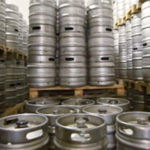
The beer keg has evolved over millennia from simple storage vessels to sophisticated pressurized containers essential for modern brewing and distribution.

Ancient Origins (c. 350 BC onward): Northern European Celtic tribes developed early prototypes of wooden barrels, improving on fragile clay pots for storing and transporting fermented beverages, including beer. The Romans adopted and refined these watertight oak barrels, enabling long-distance trade.

Medieval to 19th Century: Wooden barrels, crafted by skilled coopers, became the standard for beer storage, fermentation, and transport in Europe. They allowed natural carbonation and flavor development during aging, and were crucial for trade networks like the Hanseatic League.

Industrial Era Transition (Late 19th–Early 20th Century): The Industrial Revolution and pasteurization spurred the shift to metal kegs. First commercial metal (often steel or aluminum) pressurized kegs appeared by the late 1800s/early 1900s, offering durability, hygiene, and better carbonation control for mass distribution.

Modern Era (Mid-20th Century Onward): Stainless steel kegs with single-valve systems (e.g., Sankey couplers introduced in the 1960s) became dominant, allowing efficient cleaning, pressurization with CO₂, and widespread draft beer service. Today, standardized sizes (e.g., 15.5-gallon U.S. half-barrel) support global brewing.

This evolution has enabled beer to remain fresh over longer periods and distances, transforming it from a local product to a global commodity.

For Fun Beer Facts, Trivia and more: Click Here

Filed Under: Beer, breweries

Sierra Nevada Pale Ale’s Surprising Gold Medal Win in the ESB Category at the 2025 World Beer Cup

June 18, 2025 by Dow Scoggins

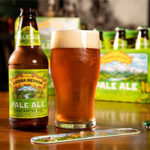
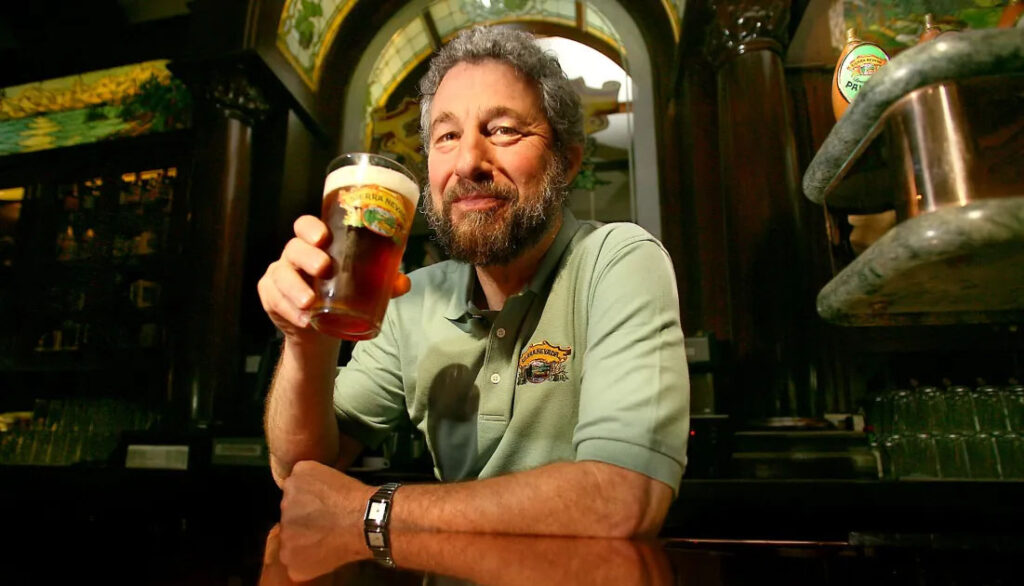
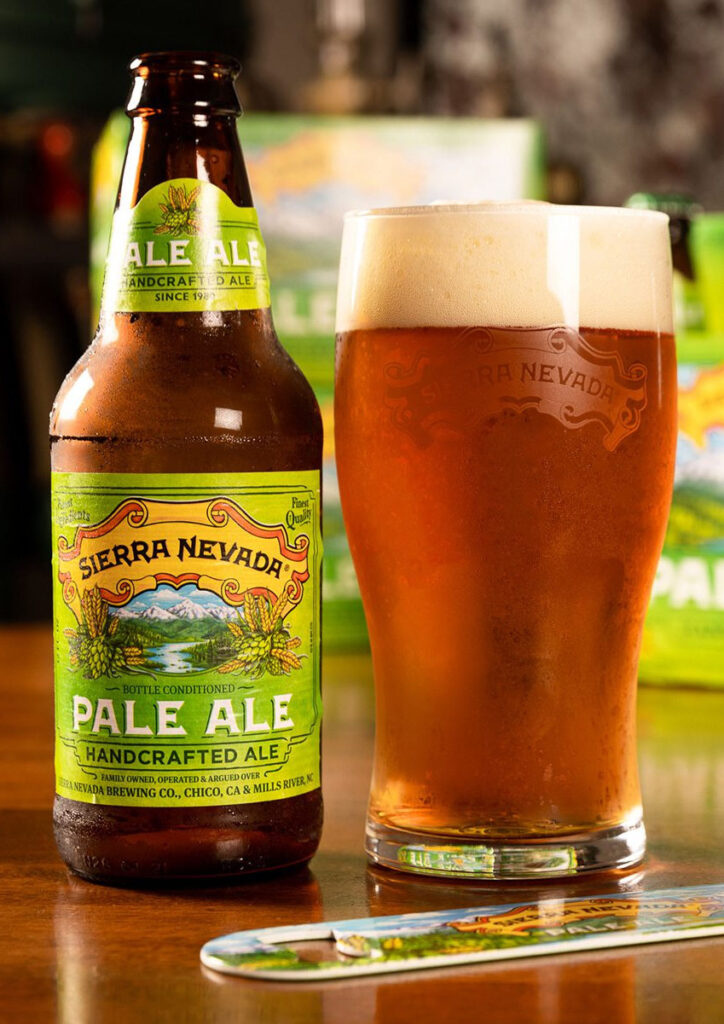
Sierra Nevada Pale Ale and Ken Grossman
In a twist that raised eyebrows across the craft beer world, Sierra Nevada Pale Ale, the iconic beer that practically defined the American pale ale style, took home a gold medal in the Extra Special Bitter (ESB) category at the 2025 World Beer Cup. Held on May 1, 2025, in Indianapolis, the prestigious competition saw 8,375 entries from 1,761 breweries across 49 countries, with Sierra Nevada’s flagship beer standing out in a category that seemed, at first glance, an unlikely fit. This unexpected win sparked discussions among brewers, judges, and beer enthusiasts, shedding light on the evolving nature of beer styles and the complexities of blind judging.

 A Legacy Beer in an Unexpected Category
Sierra Nevada Pale Ale, first brewed in 1980 in Chico, California, is a cornerstone of American craft beer. Its crisp malt backbone, bold Cascade hop character, and 5.6% ABV made it a trailblazer, inspiring countless brewers and defining the American pale ale as a bold, hop-forward style. For 45 years, it has remained largely unchanged, a testament to Sierra Nevada’s commitment to consistency. So, when the World Beer Cup announced that this quintessential pale ale had won gold in the ESB category—a style rooted in British brewing traditions—reactions ranged from bewilderment to intrigue.

The World Beer Cup, often dubbed the “Olympics of Beer,” is organized by the Brewers Association and features blind judging by 265 international experts across 112 style categories. In the ESB category, which had 52 entries, Sierra Nevada Pale Ale outshone competitors like Railhead Red from Lumberyard Brewing Co. (silver) and Velvet Organic ESB from Hopworks Brewery (bronze). But why did a beer named “Pale Ale” win in a category associated with malty, amber-hued British bitters? The answer lies in the interplay of history, evolving style guidelines, and sensory evaluation.

Understanding ESB and Pale Ale: A Historical Overlap
To grasp this win, it’s worth exploring the historical and stylistic connections between pale ales and ESBs. In the UK, “pale ale” and “bitter” were once synonymous, referring to the same family of beers. Bitters, ranging from ordinary to special to extra special (ESB), were typically amber, malty, and balanced, with restrained hop character from traditional English varieties like East Kent Goldings. Fuller’s ESB, at 5.5% ABV on draft, became the archetype for strong bitters in the US, popularizing the ESB label.

When American craft brewing emerged in the late 1970s, pioneers like Sierra Nevada drew inspiration from British ales but adapted them with local ingredients. Sierra Nevada Pale Ale, with its pale and crystal malts, American Cascade hops, and Chico yeast strain, was a revelation in the 1980s. Its citrusy, slightly aggressive hop profile felt radical compared to the softer British bitters, cementing its identity as a pale ale. However, as American pale ales evolved—becoming hoppier, drier, and often higher in ABV—Sierra Nevada’s original recipe began to feel like a relic of an earlier era.

The World Beer Cup’s ESB guidelines reflect a modern twist, allowing for “American or other origin hop varieties” and medium bitterness, which can include the citrusy, New World hop character now common in British bitters as well. Cascade hops, integral to Sierra Nevada Pale Ale, have been grown in the UK since 2002, blurring the lines between American and British styles. As one beer judge noted, “Trying it yesterday, the maltiness, I could see how Americans might start thinking, ‘Yeah, this is an ESB.’”

Why Sierra Nevada Pale Ale Fits as an ESB
The decision to enter Sierra Nevada Pale Ale in the ESB category was strategic and rooted in sensory alignment. The beer’s malt-forward profile, with caramel notes from crystal malts, aligns with the medium-bodied, amber character of an ESB. Its Cascade-driven hop aroma and moderate bitterness (around 38 IBUs) fit the World Beer Cup’s ESB subcategory for American-hopped versions, which permits deviations from traditional English hop profiles. In contrast, the American pale ale category now demands “high” hop aroma and a broader range of flavors—floral, citrus, tropical, or resinous—that reflect the modern, hop-heavy pale ales dominating the market.

Blind judging, a hallmark of the World Beer Cup, evaluates beers solely on sensory qualities, not their names or marketing. Judges don’t know they’re tasting Sierra Nevada Pale Ale; they assess color, aroma, flavor, and balance against style guidelines. Sierra Nevada’s decision to enter its pale ale as an ESB suggests the brewery recognized that its flagship beer no longer fits the evolved American pale ale category, which has shifted toward drier, hoppier expressions. As beer styles drift over time, a 45-year-old recipe can find itself better suited to a category like ESB, where its balanced malt-hop interplay shines.

Reactions and Implications
The win sparked lively debate in the beer community. On Reddit’s r/CraftBeer, users called it “wild” and questioned Sierra Nevada’s strategy, with some speculating the brewery entered ESB to face less competition. “The strategy was to enter it into a category that doesn’t have a lot of entrants and increase their chances of winning,” one commenter suggested, while others saw it as a bold move that risked the beer’s pale ale legacy. Industry insiders, however, praised the judges’ decision. Beer writer Jeff Alworth argued that the win reflects “beer’s One Iron Law: styles evolve, even if beers do not,” noting that Sierra Nevada Pale Ale’s profile now aligns more closely with ESB than with modern pale ales.

For Sierra Nevada, the win is both a triumph and a paradox. The brewery’s press materials continue to celebrate Pale Ale as the gold standard for its style, yet this ESB victory underscores how the beer’s consistency has made it a stylistic outlier. Some wondered if Sierra Nevada would lean into the win, humorously suggesting a rebrand: “I dare them to make a press release or label their packaging ‘Sierra Nevada Pale Ale, Gold Medal Winning ESB.’” While unlikely, the win highlights the brewery’s versatility, as Sierra Nevada also claimed golds for its non-alcoholic Trail Pass Hazy IPA and Weizenbock in 2025.

What This Means for Beer Styles and Competitions
Sierra Nevada Pale Ale’s ESB win is a case study in the fluidity of beer styles. As tastes and brewing techniques evolve, style guidelines must adapt, sometimes leaving legacy beers in a gray area. The World Beer Cup’s blind judging ensures that a beer’s sensory qualities, not its name, determine its success, but it also raises questions about how breweries navigate rigid categories. Should a brewery enter its beer in the category that matches its historical identity or the one that best fits its current profile? Sierra Nevada’s choice suggests the latter, prioritizing sensory accuracy over brand narrative.

For craft beer fans, this win is a reminder to revisit Sierra Nevada Pale Ale. As one writer put it, “It remains one of the beers that made many of us fall in love with craft beer, and if you haven’t had one in a while, now is a good time to remember.” Its gold medal in the ESB category doesn’t diminish its pale ale legacy; it celebrates its enduring quality in a new light. Whether you call it a pale ale or an ESB, Sierra Nevada Pale Ale continues to prove its place among the world’s best beers.

About Sierra Nevada Brewing
Sierra Nevada Brewing Co., established in 1980 in Chico, California, stands as a pillar of the American craft beer revolution. From its humble beginnings with repurposed dairy equipment, the brewery has grown into one of the largest independent craft breweries in the U.S., producing over 1 million barrels annually while maintaining its commitment to quality and sustainability. Known for its iconic Sierra Nevada Pale Ale, the brewery has expanded its lineup to include innovative offerings like Hazy Little Thing IPA and non-alcoholic Trail Pass brews, alongside traditional styles such as its award-winning Weizenbock. With a second facility in Mills River, North Carolina, and eco-conscious initiatives like solar energy and water reclamation, Sierra Nevada continues to lead the industry while honoring its craft heritage.

Ken Grossman: The Visionary Behind Sierra Nevada
Ken Grossman, Sierra Nevada’s founder, is a pioneering force in craft brewing. A self-taught brewer, Grossman’s passion for homebrewing in the 1970s led him to found Sierra Nevada Brewing Company, where he personally built much of the original brewery equipment. His vision to blend European brewing traditions with American ingredients, particularly Cascade hops, birthed Sierra Nevada Pale Ale—a beer that redefined the American pale ale style. Grossman’s dedication to quality and consistency has earned him widespread respect, including the Brewers Association’s Outstanding Service Award. Still actively involved, Grossman’s legacy inspires brewers worldwide, proving that innovation and tradition can coexist in every pint.


Top 10 Beer Festivals in America plus a few more: Click Here!
Filed Under: Beer, Beer Competition, breweries

  • « Go to Previous Page
  • Page 1
  • Interim pages omitted …
  • Page 49
  • Page 50
  • Page 51
  • Page 52
  • Page 53
  • Interim pages omitted …
  • Page 88
  • Go to Next Page »

Primary Sidebar

Follow us

  • Email
  • Facebook
  • Instagram
  • Twitter
  • YouTube

2026 U.S. Open Beer Championship Registration is now open  

 
2025 U.S. Open Cider Championship  
Medal Winners

Archives

  • October 2026
  • September 2026
  • August 2026
  • July 2026
  • June 2026
  • May 2026
  • April 2026
  • March 2026
  • February 2026
  • January 2026
  • December 2025
  • November 2025
  • October 2025
  • September 2025
  • August 2025
  • July 2025
  • June 2025
  • May 2025
  • April 2025
  • March 2025
  • February 2025
  • January 2025
  • December 2024
  • November 2024
  • October 2024
  • September 2024
  • August 2024
  • July 2024
  • May 2024
  • April 2024
  • March 2024
  • November 2023
  • October 2023
  • August 2023
  • July 2023
  • June 2023
  • May 2023
  • April 2023
  • October 2022
  • May 2022
  • February 2022
  • January 2022
  • June 2021
  • March 2021
  • December 2020
  • September 2020
  • August 2020
  • July 2020
  • June 2020
  • February 2020
  • November 2019
  • February 2019
  • May 2018
  • April 2018

Copyright © 2026 · BeerInfo.com. All Rights Reserved.