• Skip to secondary menu
  • Skip to main content
  • Skip to primary sidebar

Beer Info

Beer News, Beer Releases and New Breweries

  • Home
  • Top 10 Beers
    • Ales
    • Lagers
    • Barrel Aged
    • Hybrid
    • Specialty
  • GABF
    • 2024 GABF
    • 2023 GABF
    • 2021 GABF
    • 2022 GABF
    • 2020 GABF
    • 2019 GABF
    • 2018 GABF
    • 2017 GABF
    • 2015 GABF
    • 2014 GABF
    • 2013 GABF
    • 2012 GABF
    • 2011 GABF
    • 2010 GABF
    • 1987 GABF
  • World Beer Cup
    • 2025 World Beer Cup
    • 2022 World Beer Cup
    • 2018 World Beer Cup
    • 2016 World Beer Cup
    • 2014 World Beer Cup
    • 2012 World Beer Cup
    • 2010 World Beer Cup
    • 2008 World Beer Cup
    • 2006 World Beer Cup
    • 2004 World Beer Cup
    • 2002 World Beer Cup
    • 2000 World Beer Cup
    • 1998 World Beer Cup
    • 1996 World Beer cup
  • U.S. Open
    • 2022 U.S. Open
    • 2021 U.S. Open
    • 2020 U.S. Open
    • 2019 U.S. Open
    • 2018 U.S. Open
    • 2017 U.S. Open
    • 2016 U.S. Open
    • 2015 U.S. Open
    • 2014 U.S. Open
    • 2013 U.S. Open
    • 2012 U.S. Open
    • 2011 U.S. Open
    • 2010 U.S. Open
    • 2009 U.S. Open
  • U.S. Open Cider
    • 2021 U.S. Open Cider
    • 2020 U.S. Open Cider
    • 2019 U.S. Open Cider
    • 2018 U.S. Open Cider
    • 2017 U.S. Open Cider
    • 2016 U.S. Open Cider
    • 2015 U.S. Open Cider
  • More
    • Schools
      • United States
      • Canada
      • Europe
    • Writers
      • Edwin Arnaudin
        • Zebulon Artisan Ales
        • Highland Brewing
      • Morgan Forsyth
      • Paul Leone
      • Austin Foster
      • Anne-Fitten Glenn
    • Books
      • Starting a Brewery
      • Homebrew
      • History
      • Fun & Games
    • Fun Facts

News

St. Patrick’s Day by the Numbers

March 16, 2025 by Dow Scoggins

St. Patrick’s Day by the Numbers


St. Patrick’s Day by the Numbers

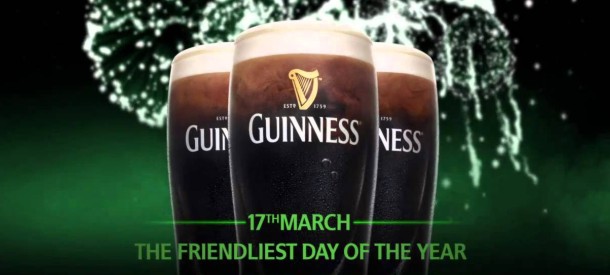
On St. Patrick’s Day, an estimated 13 million pints of Guinness are consumed worldwide, fueling celebrations from Dublin to Dubai. In the United States, about 60% of Americans plan to join the festivities, contributing to a staggering $5.9 billion in total spending. The average reveler shells out around $40 on green attire, drinks, and food.

Iconic traditions shine in Chicago, where 45 pounds of eco-friendly vegetable dye have turned the river a brilliant emerald since the practice began in 1962. Meanwhile, a leprechaun’s mythical pot of gold—holding 1,000 one-ounce coins—would be worth roughly $1.3 million at current gold prices. St. Patrick’s Day ranks as the fourth-most popular drinking holiday in the U.S., trailing only New Year’s Eve, Christmas, and the Fourth of July. Sixteen American cities bear the name Dublin, and the nation’s first St. Patrick’s Day parade marched through Boston in 1737—decades before Ireland held its own.

American St. Patrick’s Day
St. Patrick’s Day in the United States is a boisterous, emerald-hued spectacle that transforms cities into Irish wonderlands every March 17. Rooted in the veneration of Ireland’s patron saint, the holiday arrived with waves of Irish immigrants in the 18th and 19th centuries and quickly evolved from solemn religious observances into a full-throated celebration of Irish heritage and general revelry. In cities with large Irish-American populations—Boston, Chicago, New York, and Savannah—parades draw hundreds of thousands of spectators. Chicago famously dyes its river a vivid green using an environmentally safe vegetable-based dye, a tradition started in 1962 by plumbers who noticed the color lingering after testing for pollution. Bagpipers in kilts, step dancers with lightning-fast feet, and floats sponsored by local unions and businesses wind through downtown streets while spectators, many sporting shamrock antennae or “Kiss Me, I’m Irish” pins (regardless of actual ancestry), cheer and toss beads.

The day is as much about communal indulgence as cultural pride. Bars open early, serving green beer, Irish car bombs, and corned beef with cabbage to crowds decked out in every shade of green imaginable. House parties spill onto porches, and even non-Irish Americans join in, turning the holiday into a universal excuse for daytime drinking and good-natured mischief. In New York, the St. Patrick’s Day Parade—dating back to 1762 and billed as the world’s oldest and largest—marches up Fifth Avenue past St. Patrick’s Cathedral, where the Archbishop offers a blessing. Though the festivities can get rowdy, with police managing overflowing sidewalks and occasional overindulgers, the overwhelming mood is one of inclusive joy, a mid-March reminder that, for one day, everyone claims a drop of Irish blood.

Top 10 Beer Festivals in America plus a few more: Click Here!

 

Filed Under: Beer, Beer Festival

History of Ursula Brewery in Aurora, Colorado

March 10, 2025 by Morgan Forsyth

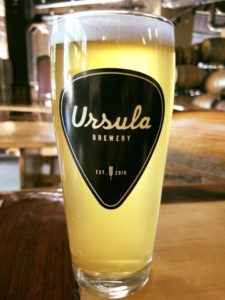
History of Ursula Brewery in Aurora, Colorado Ursula Brewery(2015-2024)
Ursula Brewery quietly opened its doors in Aurora, Colorado, in December 2015, but its roots run straight back to one of the state’s most legendary (and long-gone) cult breweries: Phantom Canyon Brewing in Colorado Springs.

Co-founders Ben Davis and Mike Van Ness both cut their teeth at Phantom Canyon in the late ’90s and early 2000s, where they brewed under the late Steve Gonzalez—Colorado’s original “godfather of barrel-aged beers.” When Phantom Canyon closed its original brewhouse in 2012, Ben and Mike carried that old-school, no-shortcuts philosophy with them. After years of homebrewing together and plotting over pints, they launched Ursula in a low-key industrial strip on the edge of Aurora, just minutes from Denver International Airport.

Named after Ben’s grandmother Ursula (a tough-as-nails German immigrant who loved her lager), the brewery’s identity has always been “refined classics with a Colorado twist.” From day one, Ursula specialized in crisp, clean lagers (a rarity in IPA-crazed Colorado at the time) alongside English-style bitters, German altbiers, and the occasional big barrel-aged stouts. Their flagship Frauline Ursula German Pilsner became an instant local favorite for its snappy noble-hop bite and bone-dry finish, while Phantasmagoria (a rotating series of barrel-aged imperial stouts and barleywines) paid direct homage to their Phantom Canyon’s iconic old program.
By 2018, Ursula had outgrown its original 7-bbl system and expanded into the space next door, adding a 15-bbl brewhouse and a cozy 70-seat taproom with garage doors and a dog-friendly patio. That same year they took home gold at the Great American Beer Festival for their Dunkelweizen, cementing their rep as one of Colorado’s most underrated lager houses.

Through the 2020s, Ursula stayed fiercely independent while the rest of the state exploded with hazy IPAs and pastry stouts. They kept quietly cranking out perfect Kölsch, Helles, Märzen, and the occasional dry-hopped lager, earning a cult following among Denver-area beer nerds who wanted something crushable that still tasted like beer. In 2023, they launched limited can distribution of Fraulein Ursula and their Black Forest Schwarzbier, finally giving shelf space to Colorado lagers that could hang with the big boys.

Closing of Ursula Brewery
The Denver Post reported  that Ursula Brewery in Aurora, near Anschutz Medical and Children’s Hospital, had its last day on December 22, 2023. It sounds like the saddest Christmas party, to me.

Filed Under: Beer, Beer Festival

Iditarod Trail Sled Dog Race: America’s Last Great Race

March 9, 2025 by Dow Scoggins

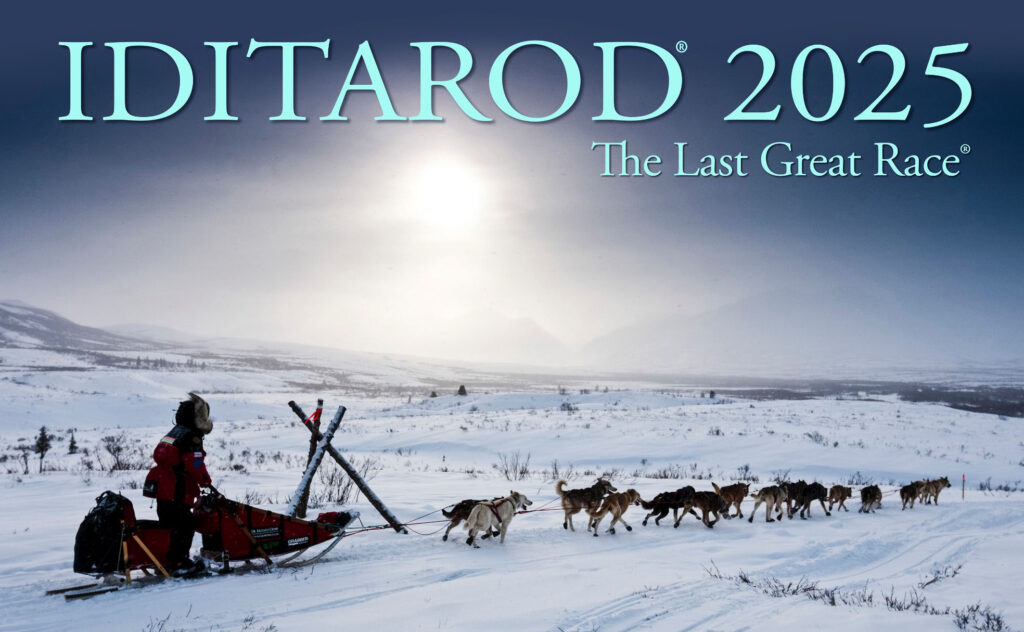
Photo by Jeff Schultz
Jeff Schultz Photography

Iditarod Trail Sled Dog Race: America’s Last Great Race
Every March, teams of mushers and their sled dogs embark on one of the most grueling endurance races in the world—the Iditarod Trail Sled Dog Race. Spanning approximately 1,000 miles across the harsh Alaskan wilderness, the race tests the limits of human and canine endurance, skill, and determination. Known as The Last Great Race on Earth, the Iditarod is a defining event in sled dog racing and a cherished Alaskan tradition.

The Origins of the Iditarod
The race traces its roots back to Alaska’s early history, when dog sledding was the primary mode of winter transportation. The Iditarod Trail, originally a mail and supply route between coastal towns and remote mining camps, became legendary in 1925 during the famous Serum Run to Nome. A deadly diphtheria outbreak threatened the town of Nome, and a relay of dog sled teams raced to deliver life-saving medicine across nearly 700 miles in brutal Arctic conditions. The heroic efforts of mushers and their dogs, including the famous Balto and Togo, cemented sled dog racing as an iconic part of Alaskan heritage.

However, with the rise of snowmobiles, dog sledding declined, and the historic trail was at risk of being forgotten. In 1973, Alaskan musher Joe Redington Sr. organized the first official Iditarod race to honor the legacy of sled dogs and preserve the tradition of long-distance mushing.

The Racecourse: A Journey Through Alaska’s Wildest Terrain
The modern Iditarod follows the historic trail between Anchorage and Nome, traversing some of the most rugged and remote landscapes in the world. The race alternates between two routes:

The Northern Route (even-numbered years)
The Southern Route (odd-numbered years)

Both routes cover over 1,000 miles, passing through dense forests, frozen rivers, windswept tundra, and treacherous mountain ranges. Racers must navigate blizzards, whiteouts, subzero temperatures (as low as -50°F), and gale-force winds, all while ensuring the health and safety of their sled dog teams.

Notable Checkpoints Along the Trail
🔹 Anchorage – The ceremonial start of the race, full of festivities and fanfare.
🔹 Rainy Pass – One of the most dangerous stretches, as mushers cross the Alaska Range.
🔹 Rohn – A remote checkpoint in the heart of the wilderness.
🔹 Iditarod – The ghost town that gives the race its name.
🔹 Shaktoolik – A brutal, wind-battered section along the Bering Sea coast.
🔹 Nome – The legendary finish line where victory is celebrated.

The Mushers & Their Teams
Mushers are the heart of the Iditarod, spending months (or even years) training for the race. They must be skilled in survival, navigation, and dog care, as they guide their 12 to 16 sled dogs across the perilous landscape. Each team must carefully manage supplies, food, and rest, as well as mandatory checkpoints where veterinarians check the health of the dogs.

Legendary mushers such as Rick Swenson (five-time champion), Susan Butcher (four-time champion and the first woman to dominate the race), Lance Mackey, and Dallas Seavey have left their mark on Iditarod history.

The Sled Dogs: True Canine Athletes
The true stars of the Iditarod are the Alaskan Huskies, a breed known for its incredible endurance, strength, and cold-weather adaptability. These dogs can run up to 100 miles per day and thrive in extreme winter conditions. Each sled dog burns an astonishing 10,000+ calories daily, requiring a diet rich in meat, fish, and fat to sustain their energy levels.

Veterinarians monitor the health of the dogs at every checkpoint, ensuring they receive proper care and rest. Mushers also take pride in their bond with the dogs, treating them as both athletes and beloved companions.

Challenges & Controversies
The Iditarod is a race of survival, but it has also faced criticism over dog welfare concerns. While many mushers prioritize their dogs’ health, some organizations have raised questions about racing conditions and potential risks. The race has implemented strict veterinary checks, mandatory rest periods, and disqualification rules to promote the safety of the dogs.

Additionally, climate change has begun to affect the course, with warmer temperatures and melting snow creating unpredictable trail conditions.

A Lasting Legacy
Despite its challenges, the Iditarod remains an enduring symbol of Alaska’s history, resilience, and pioneering spirit. It honors the traditions of early mushers, the incredible athleticism of sled dogs, and the thrill of adventure in one of the most extreme environments on Earth.

Whether it’s the drama of a neck-and-neck finish or the sheer determination of a musher and their team battling through a storm, the Iditarod continues to captivate the world each year. For those who dare to take on The Last Great Race, the journey is not just about winning—it’s about survival, teamwork, and the unbreakable bond between human and dog.

List of winners of all the Iditarod Trail Sled Dog Race 
Year Musher
1973 Dick Wilmarth
1974 Carl Huntington
1975 Emmitt Peters
1976 Gerald Riley
1977 Rick Swenson
1978 Dick Mackey
1979 Rick Swenson
1980 Joe May
1981 Rick Swenson
1982 Rick Swenson
1983 Rick Mackey
1984 Dean Osmar
1985 Libby Riddles
1986 Susan Butcher
1987 Susan Butcher
1988 Susan Butcher
1989 Joe Runyan
1990 Susan Butcher
1991 Rick Swenson
1992 Martin Buser
1993 Jeff King
1994 Martin Buser
1995 Doug Swingley
1996 Jeff King
1997 Martin Buser
1998 Jeff King
1999 Doug Swingley
2000 Doug Swingley
2002 Martin Buser
2003 Robert Sørlie
2004 Mitch Seavey
2005 Robert Sørlie
2006 Jeff King
2007 Lance Mackey
2008 Lance Mackey
2009 Lance Mackey
2010 Lance Mackey
2011 John Baker
2012 Dallas Seavey
2013 Mitch Seavey
2014 Dallas Seavey
2015 Dallas Seavey
2016 Dallas Seavey
2017 Mitch Seavey
2018 Joar Leifseth
2019 Peter Kaiser
2020 Thomas Wærner
2021 Dallas Seavey
2022 Brent Sass
2023 Ryan Redington
2024 Dallas Seavey


For Brewing fun facts, trivia, movies and more, Click Here.

Filed Under: Uncategorized

Boulevard Brewing Co. Turns 35: Kansas City Craft Beer Icon Unleashes Barrel-Aged 35th Anniversary Ale

February 20, 2025 by Spencer Mapes

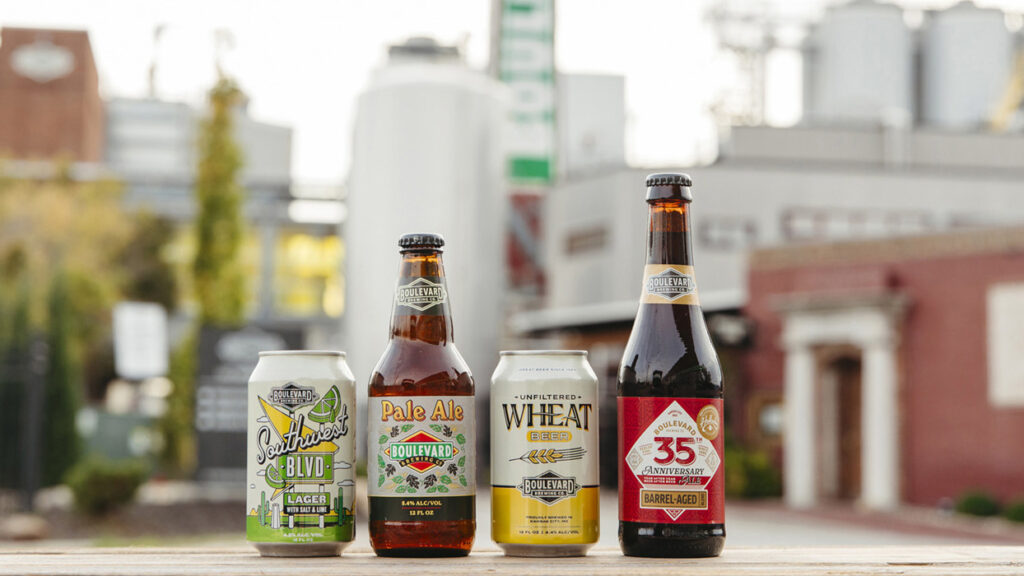
KANSAS CITY, MO – Raise a glass, Kansas City! Boulevard Brewing Co., the hometown hero that kicked off the Midwest craft beer boom, is popping corks (and barrels) for its 35th birthday with a limited-edition 35th Anniversary Ale – a bourbon-barrel-aged beast that’s equal parts nostalgia and liquid luxury.
Born on November 17, 1989, when founder John McDonald hand-delivered the first keg of Boulevard Pale Ale, the brewery has spent three and a half decades pushing boundaries, building community, and proving that great beer belongs in every celebration. Now, they’re toasting their legacy with a 12.5% ABV monster aged in Soft Red Wheat Bourbon barrels and Ben Holladay Bottled-in-Bond barrels from Missouri’s historic Holladay Distillery in Weston.

“This isn’t just a beer – it’s a love letter to 35 years of bold ideas and local pride,” says Boulevard Brand Manager Adam Hall. “We teamed up with Holladay to blend our brewing magic with their 160-year bourbon legacy. The result? A sip of Missouri history.”

Holladay Distillery’s VP of Marketing and Sales, Patrick Fee, adds: “Boulevard is Missouri beverage royalty. Pairing our Real Missouri Bourbon with their barrel-aged mastery? That’s a collab written in oak and stars.”
What’s in the glass?

Aroma: Warm caramel, vanilla-kissed bourbon, fresh-baked bread
Flavor: Molasses, dark plum, toffee, and a velvet-soft finish
Pairs with: Sharp aged cheddar, slow-roasted brisket, or dulce de leche cheesecake (yes, really)
Vibe: Big, round, and dangerously drinkable despite the ABV

35th Anniversary Party Alert! 🎉
Friday, Nov 15, 5–7 PM: Happy Hour at Boulevard Brewery – first pours of 35th Anniversary Ale + throwback beer flights
Nov 16–17: Ride the KC Wheel with a Boulevard beer for just $19.89 (nod to the founding year!)
All November: Pale Ale = Beer of the Month at every Tanner’s Bar & Grill in KC

Grab Yours Before It’s Gone
The 35th Anniversary Ale is rolling out now in 4-packs of 12-oz bottles across Greater Kansas City and select markets. Use the Boulevard Beer Finder to track it down near you.
Cheers to 35 years of craft, community, and Kansas City pride – here’s to the next pour!


About Boulevard Brewing Company
Boulevard Brewing Company, Kansas City’s craft beer pioneer, kicked off its legacy on November 17, 1989, when founder John McDonald personally delivered the first keg of Boulevard Pale Ale to a local bar. What started in a modest brick warehouse with a single 35-barrel brewhouse has grown into the Midwest’s largest independent craft brewery, now boasting a 200-barrel system and distribution across 40+ states. From the hoppy, citrus-kissed Pale Ale that ignited the region’s craft revolution to iconic staples like Unfiltered Wheat Beer—a hazy, lemony crowd-pleaser—and Tank 7 Farmhouse Ale, with its bold Belgian yeast and grapefruit zest, Boulevard blends tradition with fearless experimentation. Smokestack Series limited releases, such as bourbon barrel-aged quads and rye whiskey-finished stouts, showcase the brewery’s mastery of wood and time, earning medals at FoBAB and GABF alike.

Over 35 years, Boulevard has stayed true to its Kansas City roots while pushing boundaries—collaborating with local distillers like Holladay for barrel-aged gems, launching the 35th Anniversary Ale in 2024, and fostering community through tours, a sprawling Beer Hall, and sustainability initiatives like solar power and water reclamation. With a portfolio spanning crisp lagers, juicy IPAs, tart sours, and decadent imperial stouts, Boulevard remains a gateway for new drinkers and a benchmark for craft veterans. Every pour reflects McDonald’s original mantra: brew bold, drink local, celebrate together.

About Holladay Distillery
Nestled in the rolling hills of Weston, Missouri, Holladay Distillery stands as the oldest continuously operating distillery west of the Mississippi River, a living testament to American ingenuity since its founding in 1856 by the audacious brothers Ben and Major David Holladay. Inspired by a pristine limestone spring first charted by Lewis and Clark in 1804, the siblings transformed a former meat-packing site into a bourbon powerhouse, harnessing the mineral-rich water to distill their inaugural batch from a mash of corn, rye, wheat, and barley—sold in 1857 for a mere 35 cents per gallon. Ben, the “Stagecoach King” who built an empire spanning Wells Fargo lines and the Pony Express, became America’s largest private employer by 1864, yet it was this humble distillery that endured as his true legacy, weathering ownership changes, a 1957 fire, and a rebranding as McCormick Distilling Company in 1942 before a 1993 revival by local investors. Revitalized in 2016 to honor its roots, the site—listed on the National Register of Historic Places—underwent a $10 million renovation in 2015, resuming on-site bourbon production after decades away, now crafting Bottled-in-Bond expressions like the flagship Ben Holladay Missouri Straight Bourbon Whiskey and Soft Red Wheat, aged in historic ironclad rickhouses under Missouri’s dramatic seasonal swings for a depth of caramel, vanilla, and spice that whispers of 169 years of craft.

For Brewing fun facts, trivia, movies and more, Click Here.

Filed Under: Beer, Collaboration Beers, craftbeer Tagged With: Anniversary Ale, Boulevard Brewing, Holladay Distillery

George Washington’s Beer Recipe, Brewery and Distillery at Mount Vernon

February 18, 2025 by Dow Scoggins

George Washington’s Beer Recipe

George Washington’s Beer Recipe and His Brewing and Distilling Legacy at Mount Vernon
George Washington, America’s first president and a Revolutionary War hero, was also a passionate brewer and distiller. Beyond his political achievements, Washington’s ventures into crafting beer and whiskey at his Mount Vernon estate reveal a lesser-known side of his character—one rooted in innovation, practicality, and a keen business sense. From a handwritten recipe for “small beer” to a thriving whiskey distillery, Washington’s contributions to early American beverage culture are both fascinating and enduring. This article delves into the details of his beer recipe, his brewing practices, and the distillery that became a profitable enterprise, optimized for historical accuracy and modern relevance.

The Small Beer Recipe: A Taste of Colonial Life

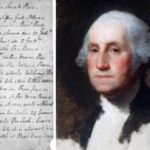
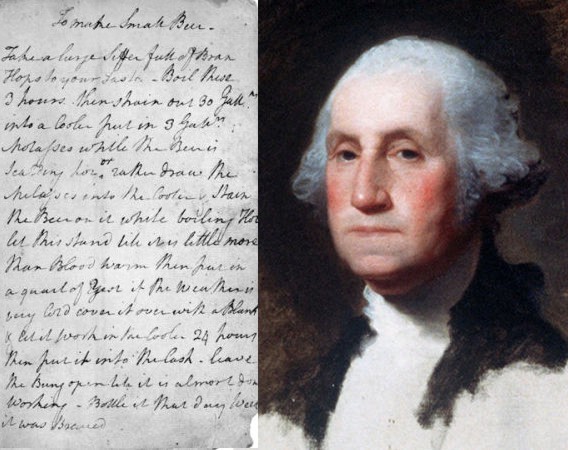
In 1757, while serving as a young colonel in the Virginia militia at Fort Loudoun, Pennsylvania, George Washington jotted down a recipe for “small beer” in a personal notebook, now housed at the New York Public Library. Small beer was a staple in 18th-century America, prized for its low alcohol content (typically 2-4%) and safety compared to often-contaminated water. It was consumed by soldiers, workers, and even children, making it a practical choice for military camps and households.

Washington’s recipe is straightforward, reflecting the resourcefulness of colonial brewing:
The recipe uses simple ingredients: wheat bran, hops for bitterness, molasses as a fermentable sugar, and yeast to drive fermentation. The process involves boiling the bran and hops for three hours, straining the wort (unfermented beer), and adding molasses to create a sweet, porter-like ale. The mixture ferments for 24 hours at a temperature described as “little more than Blood warm” (about 80-90°F), with a blanket used in cold weather to maintain warmth. After a week, the beer is bottled, ready for consumption.

This small beer was likely brewed for Washington’s troops or household rather than commercial sale. Its sweet, molasses-heavy flavor and quick production time made it ideal for frontier conditions. Modern brewers, like the Coney Island Brewing Company in 2011, have recreated the recipe, tweaking it with less molasses and modern hops to produce a roasty, cherry-brown porter that appeals to contemporary tastes.

Brewing at Mount Vernon: A Household Staple

At Mount Vernon, Washington’s sprawling Virginia estate, beer was a daily necessity. Washington himself was fond of dark, English-style porters, often enjoying a pint with dinner. He imported large quantities of beer, including 492 bottles of Dorsetshire beer in 1762, but was occasionally disappointed by the quality of shipments, which spurred his interest in local production.

Brewing at Mount Vernon was likely managed by enslaved workers and hired servants, with hops supplied by individuals like Boatswain, an enslaved ditcher. Martha Washington’s cookbook included brewing instructions, suggesting that beer-making was a collaborative effort, possibly overseen by estate managers like Lund Washington, who once experimented with persimmon beer. Beer was not only for personal enjoyment but also served practical purposes, such as hydrating workers and entertaining guests. During Washington’s 1758 campaign for the House of Burgesses, he provided 43 gallons of strong beer to voters, a common practice in colonial politics.

While Washington’s small beer recipe was not a commercial product, it underscores the importance of brewing in colonial life. The process was labor-intensive but essential, ensuring a steady supply of safe, nourishing drink for the estate.

The Mount Vernon Distillery: A Business Triumph

Washington’s most significant contribution to beverage production came later in life with the establishment of a whiskey distillery at Mount Vernon. In 1797, his Scottish farm manager, James Anderson, proposed building a distillery to capitalize on the estate’s surplus grain and proximity to the Potomac River. Washington, ever the astute businessman, approved the project, and construction began using local river rocks and sandstone. The distillery was strategically placed next to Washington’s gristmill, which supplied ground grain for whiskey production.

The distillery focused on rye whiskey, made from a recipe of 60% rye, 35% corn, and 5% malted barley. Unlike modern whiskeys, it was unaged, bottled directly from the still for immediate sale. By 1799, the distillery was producing 11,000 gallons annually, yielding a profit of $7,500—a substantial sum for the era. The operation was staffed by six enslaved men—Daniel, Hanson, James, Nat, Peter, and Timothy—who worked alongside other laborers under Anderson’s direction. The use of Oliver Evans’ automated gristmill system allowed year-round production, setting Mount Vernon apart from smaller, seasonal distilleries.

Washington himself preferred beer or Madeira wine over whiskey, but he recognized the distillery’s economic potential. After his death in 1799, the distillery ceased operations, but it was meticulously reconstructed in 2007 by the Mount Vernon Ladies’ Association. Today, it produces small batches of rye whiskey, which earned a silver medal at the 2019 American Craft Spirits Association Awards. Visitors can tour the distillery, sample the whiskey, and explore this overlooked facet of Washington’s legacy.

Modern Relevance and How to Recreate the Beer

Washington’s beer recipe and distillery offer a unique lens into colonial ingenuity and early American industry. For homebrewers, recreating the small beer is a rewarding challenge. A scaled-down 5-gallon batch might include 6 pounds of molasses, 0.25 pounds of flaked wheat, East Kent Goldings hops, and Nottingham ale yeast. Boil for 60-180 minutes, ferment at 65°F, and bottle after a week for a sweet, lightly carbonated ale with historical flair. Note that the molasses can create a syrupy, slightly bitter finish, so modern adjustments may enhance drinkability.

The reconstructed Mount Vernon distillery also inspires modern craft distillers, showcasing the timeless appeal of rye whiskey. Its historical significance, combined with Washington’s entrepreneurial spirit, makes it a compelling story for food and history enthusiasts alike.

Conclusion: A Toast to Washington’s Legacy

George Washington’s small beer recipe and Mount Vernon distillery highlight his multifaceted legacy as a farmer, innovator, and businessman. The beer recipe, born of necessity, reflects the resourcefulness of colonial life, while the distillery underscores Washington’s ability to seize new opportunities. Together, they paint a picture of a man who not only shaped a nation but also left an indelible mark on America’s beverage culture. Whether you’re sipping a modern recreation of his porter or touring the Mount Vernon distillery, Washington’s brewing and distilling endeavors invite us to raise a glass to his enduring influence.

For Fun Beer Facts, Trivia and more: Click Here

Filed Under: Beer, craftbeer

  • « Go to Previous Page
  • Page 1
  • Interim pages omitted …
  • Page 64
  • Page 65
  • Page 66
  • Page 67
  • Page 68
  • Interim pages omitted …
  • Page 88
  • Go to Next Page »

Primary Sidebar

Follow us

  • Email
  • Facebook
  • Instagram
  • Twitter
  • YouTube

2026 U.S. Open Beer Championship Registration is now open  

 
2025 U.S. Open Cider Championship  
Medal Winners

Archives

  • October 2026
  • September 2026
  • August 2026
  • July 2026
  • June 2026
  • May 2026
  • April 2026
  • March 2026
  • February 2026
  • January 2026
  • December 2025
  • November 2025
  • October 2025
  • September 2025
  • August 2025
  • July 2025
  • June 2025
  • May 2025
  • April 2025
  • March 2025
  • February 2025
  • January 2025
  • December 2024
  • November 2024
  • October 2024
  • September 2024
  • August 2024
  • July 2024
  • May 2024
  • April 2024
  • March 2024
  • November 2023
  • October 2023
  • August 2023
  • July 2023
  • June 2023
  • May 2023
  • April 2023
  • October 2022
  • May 2022
  • February 2022
  • January 2022
  • June 2021
  • March 2021
  • December 2020
  • September 2020
  • August 2020
  • July 2020
  • June 2020
  • February 2020
  • November 2019
  • February 2019
  • May 2018
  • April 2018

Copyright © 2026 · BeerInfo.com. All Rights Reserved.