• Skip to secondary menu
  • Skip to main content
  • Skip to primary sidebar

Beer Info

Beer News, Beer Releases and New Breweries

  • Home
  • Top 10 Beers
    • Ales
    • Lagers
    • Barrel Aged
    • Hybrid
    • Specialty
  • GABF
    • 2024 GABF
    • 2023 GABF
    • 2021 GABF
    • 2022 GABF
    • 2020 GABF
    • 2019 GABF
    • 2018 GABF
    • 2017 GABF
    • 2015 GABF
    • 2014 GABF
    • 2013 GABF
    • 2012 GABF
    • 2011 GABF
    • 2010 GABF
    • 1987 GABF
  • World Beer Cup
    • 2025 World Beer Cup
    • 2022 World Beer Cup
    • 2018 World Beer Cup
    • 2016 World Beer Cup
    • 2014 World Beer Cup
    • 2012 World Beer Cup
    • 2010 World Beer Cup
    • 2008 World Beer Cup
    • 2006 World Beer Cup
    • 2004 World Beer Cup
    • 2002 World Beer Cup
    • 2000 World Beer Cup
    • 1998 World Beer Cup
    • 1996 World Beer cup
  • U.S. Open
    • 2022 U.S. Open
    • 2021 U.S. Open
    • 2020 U.S. Open
    • 2019 U.S. Open
    • 2018 U.S. Open
    • 2017 U.S. Open
    • 2016 U.S. Open
    • 2015 U.S. Open
    • 2014 U.S. Open
    • 2013 U.S. Open
    • 2012 U.S. Open
    • 2011 U.S. Open
    • 2010 U.S. Open
    • 2009 U.S. Open
  • U.S. Open Cider
    • 2021 U.S. Open Cider
    • 2020 U.S. Open Cider
    • 2019 U.S. Open Cider
    • 2018 U.S. Open Cider
    • 2017 U.S. Open Cider
    • 2016 U.S. Open Cider
    • 2015 U.S. Open Cider
  • More
    • Schools
      • United States
      • Canada
      • Europe
    • Writers
      • Edwin Arnaudin
        • Zebulon Artisan Ales
        • Highland Brewing
      • Morgan Forsyth
      • Paul Leone
      • Austin Foster
      • Anne-Fitten Glenn
    • Books
      • Starting a Brewery
      • Homebrew
      • History
      • Fun & Games
    • Fun Facts

Dow Scoggins

Top 10 Cities in the United States to celebrate St. Patrick’s Day

March 17, 2025 by Dow Scoggins

Top 10 Cities in the United States to celebrate St. Patrick's DayHistory of Saint Patrick’s Day
Since the mid-20th century, St. Patrick’s Day has evolved from a primarily religious and cultural observance into a global celebration of Irish identity, driven by commercialization, tourism, and the Irish diaspora. In Ireland, the holiday shifted significantly after the 1930s, when Dublin’s parade grew into a national event to promote Irish pride. By the 1990s, the Irish government launched the St. Patrick’s Festival, a multi-day event in Dublin featuring music, dance, and cultural showcases, capitalizing on tourism and global interest. This marked a turning point, as Ireland embraced the holiday’s economic potential, with over 1 million visitors attending Dublin’s festivities annually by the 2010s.

In the United States, where Irish-Americans number over 30 million, St. Patrick’s Day became a cultural juggernaut. Cities like New York, Boston, and Chicago amplified traditions—New York’s parade, the world’s largest, draws up to 2 million spectators, while Chicago’s river-dyeing, started in 1962, became a viral symbol. The holiday also grew commercial, with green beer, shamrock merchandise, and leprechaun imagery fueling a multi-billion-dollar industry. However, this commercialization sparked debates, with critics arguing it perpetuates stereotypes, like drunkenness, over authentic Irish culture.

Globally, St. Patrick’s Day expanded through “greening” initiatives, where landmarks like the Sydney Opera House or the Colosseum turn green, a campaign Ireland began in 2010 to boost tourism. By 2025, over 70 countries host parades or events, from Tokyo to Buenos Aires, reflecting the diaspora’s reach and globalization’s impact. Yet, tensions persist—some Irish communities push back against caricatures, advocating for focus on traditional music, language, and history. The modern holiday, while festive, balances cultural pride with the challenges of commodification and identity.

Top 10 U.S. Cities to Celebrate St. Patrick’s Day(according to US News and World Report)
1. Boston, MA
2. Savannah, GA
3. New London, Wisconsin
4. Chicago
5. Hot Springs, Arkansas
6. North Kansas City, Missouri
7. New York City
8. O’Neill, Nebraska
9. Enterprise, Alabama
10. New Orleans

Boston, Massachusetts
Boston, with its deep Irish-American heritage, is a St. Patrick’s Day powerhouse. The South Boston parade, one of the oldest in the U.S., fills the streets with bagpipes, colorful floats, and cheering crowds. Iconic pubs like The Black Rose pour green beer and serve corned beef, while céilí dances and cultural events along the Irish Heritage Trail add authenticity. The city’s vibrant community spirit and historical ties to Ireland create an electric, welcoming atmosphere, making Boston a top spot to celebrate March 17.

Savannah, Georgia
Savannah’s St. Patrick’s Day is a Southern gem, hosting one of the largest parades in the region since 1824. The historic district, with its oak-lined squares, becomes a sea of green as floats and bands march through. River Street’s open-container vibe fuels a laid-back party with live music and Irish whiskey. The mild March weather and Savannah’s charm—think cobblestone streets and warm hospitality—make it an inviting, festive destination for a unique St. Patrick’s Day experience.

New London, Wisconsin
New London, Wisconsin, offers a quirky, small-town St. Patrick’s Day with its “Shamrock Club” celebration, one of the state’s oldest. The town transforms into “New Dublin” for the week, hosting a parade with Irish dancers, pipe bands, and leprechaun-themed floats. Local taverns like Finn’s Pub serve green beer, and community events like Irish breakfasts foster a cozy, family-friendly vibe. New London’s heartfelt, grassroots festivities make it a charming choice for an authentic, low-key holiday.

Chicago, Illinois
Chicago’s St. Patrick’s Day is iconic, thanks to the surreal tradition of dyeing the Chicago River emerald green, a spectacle that draws thousands. The downtown parade bursts with Irish pride, featuring shamrock-decorated floats and bagpipers, while South Side Irish neighborhoods like Beverly host their own marches. Pubs citywide pour green beer and Irish stout, keeping the party going late. Chicago’s bold, festive energy and unique traditions make it a must-visit for an unforgettable March 17.

Hot Springs, Arkansas
Hot Springs, Arkansas, claims the “World’s Shortest St. Patrick’s Day Parade,” a 98-foot spectacle on Bridge Street that’s as whimsical as it gets. Expect Elvis impersonators, green-clad marchers, and a dose of Southern eccentricity. The town’s historic bathhouses and lively bars, like Maxine’s Live, serve up green cocktails and Irish tunes. Hot Springs’ compact, quirky celebration, paired with its spa-town charm, offers a fun, offbeat St. Patrick’s Day experience.

North Kansas City, Missouri
North Kansas City’s St. Patrick’s Day shines with its Snake Saturday Parade, a beloved local tradition blending Irish and reptilian themes to celebrate St. Patrick’s snake-banishing legend. Floats, bagpipers, and green-bedecked crowds fill the streets, while breweries like Cinder Block tap special green beers. The community’s laid-back, Midwestern warmth and creative spin on the holiday make North Kansas City a delightful, under-the-radar spot for March 17 festivities.

New York City, New York
New York City’s St. Patrick’s Day is a global spectacle, anchored by the world’s oldest and largest parade, running since 1762 along Fifth Avenue. Green-clad crowds pass St. Patrick’s Cathedral as bagpipes blare and Irish dancers perform. From Hell’s Kitchen pubs to cultural events like step-dancing showcases, the city pulses with energy. NYC’s sheer scale, diversity, and Irish pride deliver a St. Patrick’s Day that’s both historic and exhilarating.

O’Neill, Nebraska
O’Neill, Nebraska, dubbed the “Irish Capital of Nebraska,” delivers a heartfelt St. Patrick’s Day rooted in its Irish settler history. The town paints a shamrock on its main intersection and hosts a lively parade with tractors, horses, and green floats. Local bars like The Mint serve Irish coffee, and community events include Irish music and dance. O’Neill’s small-town charm and proud heritage make it a cozy, authentic spot for a traditional celebration.

Enterprise, Alabama
Enterprise, Alabama, hosts a surprisingly spirited St. Patrick’s Day with its “World’s Smallest St. Patrick’s Day Parade,” a tongue-in-cheek event featuring a single kilted marcher and a bagpiper. The town leans into the fun with green-themed festivals, live music, and pub crawls at spots like The Barrel. Enterprise’s warm weather and quirky, community-driven vibe offer a lighthearted, sunny twist on the holiday, perfect for a relaxed celebration.

New Orleans, Louisiana
New Orleans brings its Mardi Gras flair to St. Patrick’s Day, with the Irish Channel parade tossing cabbages, carrots, and beads from vibrant floats. The French Quarter buzzes with green cocktails, Irish jigs, and block parties, while bars like Parasol’s serve Guinness and po’boys. The city’s love for revelry, combined with its Irish-American roots, creates a raucous, soulful celebration. New Orleans’ festive chaos makes it an unbeatable St. Patrick’s Day destination.


Top 10 Beer Festivals in America plus a few more: Click Here!
Filed Under: Beer Festival

St. Patrick’s Day by the Numbers

March 16, 2025 by Dow Scoggins

St. Patrick’s Day by the Numbers


St. Patrick’s Day by the Numbers

On St. Patrick’s Day, an estimated 13 million pints of Guinness are consumed worldwide, fueling celebrations from Dublin to Dubai. In the United States, about 60% of Americans plan to join the festivities, contributing to a staggering $5.9 billion in total spending. The average reveler shells out around $40 on green attire, drinks, and food.

Iconic traditions shine in Chicago, where 45 pounds of eco-friendly vegetable dye have turned the river a brilliant emerald since the practice began in 1962. Meanwhile, a leprechaun’s mythical pot of gold—holding 1,000 one-ounce coins—would be worth roughly $1.3 million at current gold prices. St. Patrick’s Day ranks as the fourth-most popular drinking holiday in the U.S., trailing only New Year’s Eve, Christmas, and the Fourth of July. Sixteen American cities bear the name Dublin, and the nation’s first St. Patrick’s Day parade marched through Boston in 1737—decades before Ireland held its own.

American St. Patrick’s Day
St. Patrick’s Day in the United States is a boisterous, emerald-hued spectacle that transforms cities into Irish wonderlands every March 17. Rooted in the veneration of Ireland’s patron saint, the holiday arrived with waves of Irish immigrants in the 18th and 19th centuries and quickly evolved from solemn religious observances into a full-throated celebration of Irish heritage and general revelry. In cities with large Irish-American populations—Boston, Chicago, New York, and Savannah—parades draw hundreds of thousands of spectators. Chicago famously dyes its river a vivid green using an environmentally safe vegetable-based dye, a tradition started in 1962 by plumbers who noticed the color lingering after testing for pollution. Bagpipers in kilts, step dancers with lightning-fast feet, and floats sponsored by local unions and businesses wind through downtown streets while spectators, many sporting shamrock antennae or “Kiss Me, I’m Irish” pins (regardless of actual ancestry), cheer and toss beads.

The day is as much about communal indulgence as cultural pride. Bars open early, serving green beer, Irish car bombs, and corned beef with cabbage to crowds decked out in every shade of green imaginable. House parties spill onto porches, and even non-Irish Americans join in, turning the holiday into a universal excuse for daytime drinking and good-natured mischief. In New York, the St. Patrick’s Day Parade—dating back to 1762 and billed as the world’s oldest and largest—marches up Fifth Avenue past St. Patrick’s Cathedral, where the Archbishop offers a blessing. Though the festivities can get rowdy, with police managing overflowing sidewalks and occasional overindulgers, the overwhelming mood is one of inclusive joy, a mid-March reminder that, for one day, everyone claims a drop of Irish blood.

Top 10 Beer Festivals in America plus a few more: Click Here!
 

Filed Under: Beer, Beer Festival

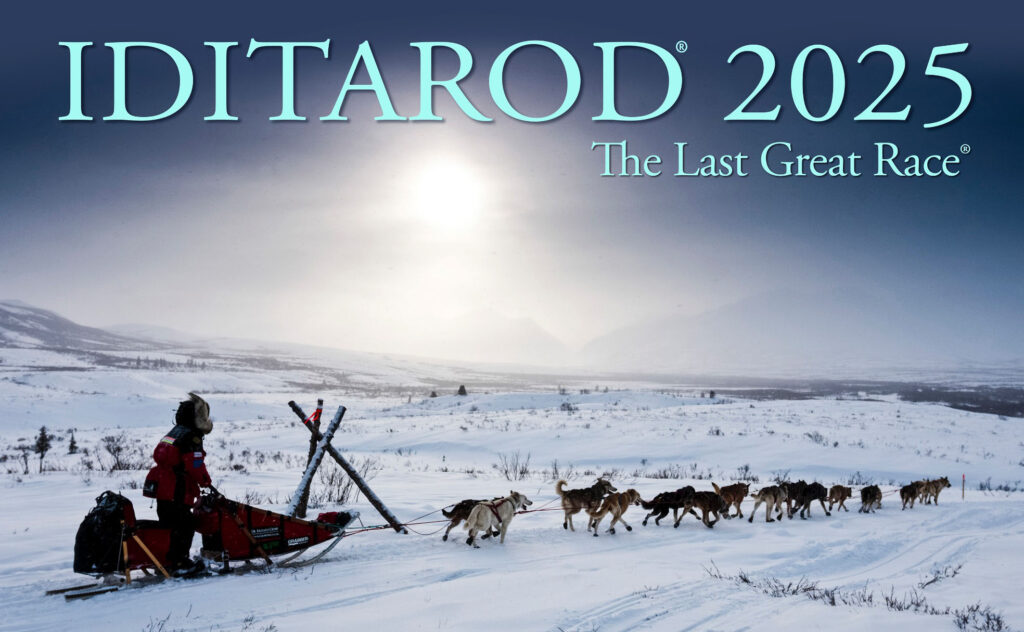
Iditarod Trail Sled Dog Race: America’s Last Great Race

March 9, 2025 by Dow Scoggins

Photo by Jeff Schultz
Jeff Schultz Photography

Iditarod Trail Sled Dog Race: America’s Last Great Race
Every March, teams of mushers and their sled dogs embark on one of the most grueling endurance races in the world—the Iditarod Trail Sled Dog Race. Spanning approximately 1,000 miles across the harsh Alaskan wilderness, the race tests the limits of human and canine endurance, skill, and determination. Known as The Last Great Race on Earth, the Iditarod is a defining event in sled dog racing and a cherished Alaskan tradition.

The Origins of the Iditarod
The race traces its roots back to Alaska’s early history, when dog sledding was the primary mode of winter transportation. The Iditarod Trail, originally a mail and supply route between coastal towns and remote mining camps, became legendary in 1925 during the famous Serum Run to Nome. A deadly diphtheria outbreak threatened the town of Nome, and a relay of dog sled teams raced to deliver life-saving medicine across nearly 700 miles in brutal Arctic conditions. The heroic efforts of mushers and their dogs, including the famous Balto and Togo, cemented sled dog racing as an iconic part of Alaskan heritage.

However, with the rise of snowmobiles, dog sledding declined, and the historic trail was at risk of being forgotten. In 1973, Alaskan musher Joe Redington Sr. organized the first official Iditarod race to honor the legacy of sled dogs and preserve the tradition of long-distance mushing.

The Racecourse: A Journey Through Alaska’s Wildest Terrain
The modern Iditarod follows the historic trail between Anchorage and Nome, traversing some of the most rugged and remote landscapes in the world. The race alternates between two routes:

The Northern Route (even-numbered years)
The Southern Route (odd-numbered years)

Both routes cover over 1,000 miles, passing through dense forests, frozen rivers, windswept tundra, and treacherous mountain ranges. Racers must navigate blizzards, whiteouts, subzero temperatures (as low as -50°F), and gale-force winds, all while ensuring the health and safety of their sled dog teams.

Notable Checkpoints Along the Trail
🔹 Anchorage – The ceremonial start of the race, full of festivities and fanfare.
🔹 Rainy Pass – One of the most dangerous stretches, as mushers cross the Alaska Range.
🔹 Rohn – A remote checkpoint in the heart of the wilderness.
🔹 Iditarod – The ghost town that gives the race its name.
🔹 Shaktoolik – A brutal, wind-battered section along the Bering Sea coast.
🔹 Nome – The legendary finish line where victory is celebrated.

The Mushers & Their Teams
Mushers are the heart of the Iditarod, spending months (or even years) training for the race. They must be skilled in survival, navigation, and dog care, as they guide their 12 to 16 sled dogs across the perilous landscape. Each team must carefully manage supplies, food, and rest, as well as mandatory checkpoints where veterinarians check the health of the dogs.

Legendary mushers such as Rick Swenson (five-time champion), Susan Butcher (four-time champion and the first woman to dominate the race), Lance Mackey, and Dallas Seavey have left their mark on Iditarod history.

The Sled Dogs: True Canine Athletes
The true stars of the Iditarod are the Alaskan Huskies, a breed known for its incredible endurance, strength, and cold-weather adaptability. These dogs can run up to 100 miles per day and thrive in extreme winter conditions. Each sled dog burns an astonishing 10,000+ calories daily, requiring a diet rich in meat, fish, and fat to sustain their energy levels.

Veterinarians monitor the health of the dogs at every checkpoint, ensuring they receive proper care and rest. Mushers also take pride in their bond with the dogs, treating them as both athletes and beloved companions.

Challenges & Controversies
The Iditarod is a race of survival, but it has also faced criticism over dog welfare concerns. While many mushers prioritize their dogs’ health, some organizations have raised questions about racing conditions and potential risks. The race has implemented strict veterinary checks, mandatory rest periods, and disqualification rules to promote the safety of the dogs.

Additionally, climate change has begun to affect the course, with warmer temperatures and melting snow creating unpredictable trail conditions.

A Lasting Legacy
Despite its challenges, the Iditarod remains an enduring symbol of Alaska’s history, resilience, and pioneering spirit. It honors the traditions of early mushers, the incredible athleticism of sled dogs, and the thrill of adventure in one of the most extreme environments on Earth.

Whether it’s the drama of a neck-and-neck finish or the sheer determination of a musher and their team battling through a storm, the Iditarod continues to captivate the world each year. For those who dare to take on The Last Great Race, the journey is not just about winning—it’s about survival, teamwork, and the unbreakable bond between human and dog.

List of winners of all the Iditarod Trail Sled Dog Race 
Year Musher
1973 Dick Wilmarth
1974 Carl Huntington
1975 Emmitt Peters
1976 Gerald Riley
1977 Rick Swenson
1978 Dick Mackey
1979 Rick Swenson
1980 Joe May
1981 Rick Swenson
1982 Rick Swenson
1983 Rick Mackey
1984 Dean Osmar
1985 Libby Riddles
1986 Susan Butcher
1987 Susan Butcher
1988 Susan Butcher
1989 Joe Runyan
1990 Susan Butcher
1991 Rick Swenson
1992 Martin Buser
1993 Jeff King
1994 Martin Buser
1995 Doug Swingley
1996 Jeff King
1997 Martin Buser
1998 Jeff King
1999 Doug Swingley
2000 Doug Swingley
2002 Martin Buser
2003 Robert Sørlie
2004 Mitch Seavey
2005 Robert Sørlie
2006 Jeff King
2007 Lance Mackey
2008 Lance Mackey
2009 Lance Mackey
2010 Lance Mackey
2011 John Baker
2012 Dallas Seavey
2013 Mitch Seavey
2014 Dallas Seavey
2015 Dallas Seavey
2016 Dallas Seavey
2017 Mitch Seavey
2018 Joar Leifseth
2019 Peter Kaiser
2020 Thomas Wærner
2021 Dallas Seavey
2022 Brent Sass
2023 Ryan Redington
2024 Dallas Seavey


For Brewing fun facts, trivia, movies and more, Click Here.

Filed Under: Uncategorized

George Washington’s Beer Recipe, Brewery and Distillery at Mount Vernon

February 18, 2025 by Dow Scoggins

George Washington’s Beer Recipe

George Washington’s Beer Recipe and His Brewing and Distilling Legacy at Mount Vernon
George Washington, America’s first president and a Revolutionary War hero, was also a passionate brewer and distiller. Beyond his political achievements, Washington’s ventures into crafting beer and whiskey at his Mount Vernon estate reveal a lesser-known side of his character—one rooted in innovation, practicality, and a keen business sense. From a handwritten recipe for “small beer” to a thriving whiskey distillery, Washington’s contributions to early American beverage culture are both fascinating and enduring. This article delves into the details of his beer recipe, his brewing practices, and the distillery that became a profitable enterprise, optimized for historical accuracy and modern relevance.

The Small Beer Recipe: A Taste of Colonial Life

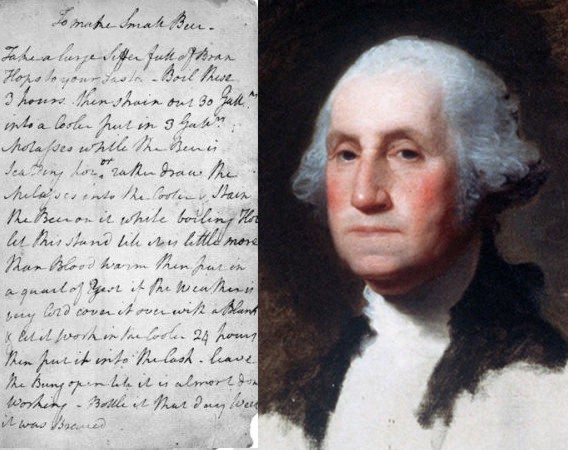
In 1757, while serving as a young colonel in the Virginia militia at Fort Loudoun, Pennsylvania, George Washington jotted down a recipe for “small beer” in a personal notebook, now housed at the New York Public Library. Small beer was a staple in 18th-century America, prized for its low alcohol content (typically 2-4%) and safety compared to often-contaminated water. It was consumed by soldiers, workers, and even children, making it a practical choice for military camps and households.

Washington’s recipe is straightforward, reflecting the resourcefulness of colonial brewing:
The recipe uses simple ingredients: wheat bran, hops for bitterness, molasses as a fermentable sugar, and yeast to drive fermentation. The process involves boiling the bran and hops for three hours, straining the wort (unfermented beer), and adding molasses to create a sweet, porter-like ale. The mixture ferments for 24 hours at a temperature described as “little more than Blood warm” (about 80-90°F), with a blanket used in cold weather to maintain warmth. After a week, the beer is bottled, ready for consumption.

This small beer was likely brewed for Washington’s troops or household rather than commercial sale. Its sweet, molasses-heavy flavor and quick production time made it ideal for frontier conditions. Modern brewers, like the Coney Island Brewing Company in 2011, have recreated the recipe, tweaking it with less molasses and modern hops to produce a roasty, cherry-brown porter that appeals to contemporary tastes.

Brewing at Mount Vernon: A Household Staple

At Mount Vernon, Washington’s sprawling Virginia estate, beer was a daily necessity. Washington himself was fond of dark, English-style porters, often enjoying a pint with dinner. He imported large quantities of beer, including 492 bottles of Dorsetshire beer in 1762, but was occasionally disappointed by the quality of shipments, which spurred his interest in local production.

Brewing at Mount Vernon was likely managed by enslaved workers and hired servants, with hops supplied by individuals like Boatswain, an enslaved ditcher. Martha Washington’s cookbook included brewing instructions, suggesting that beer-making was a collaborative effort, possibly overseen by estate managers like Lund Washington, who once experimented with persimmon beer. Beer was not only for personal enjoyment but also served practical purposes, such as hydrating workers and entertaining guests. During Washington’s 1758 campaign for the House of Burgesses, he provided 43 gallons of strong beer to voters, a common practice in colonial politics.

While Washington’s small beer recipe was not a commercial product, it underscores the importance of brewing in colonial life. The process was labor-intensive but essential, ensuring a steady supply of safe, nourishing drink for the estate.

The Mount Vernon Distillery: A Business Triumph

Washington’s most significant contribution to beverage production came later in life with the establishment of a whiskey distillery at Mount Vernon. In 1797, his Scottish farm manager, James Anderson, proposed building a distillery to capitalize on the estate’s surplus grain and proximity to the Potomac River. Washington, ever the astute businessman, approved the project, and construction began using local river rocks and sandstone. The distillery was strategically placed next to Washington’s gristmill, which supplied ground grain for whiskey production.

The distillery focused on rye whiskey, made from a recipe of 60% rye, 35% corn, and 5% malted barley. Unlike modern whiskeys, it was unaged, bottled directly from the still for immediate sale. By 1799, the distillery was producing 11,000 gallons annually, yielding a profit of $7,500—a substantial sum for the era. The operation was staffed by six enslaved men—Daniel, Hanson, James, Nat, Peter, and Timothy—who worked alongside other laborers under Anderson’s direction. The use of Oliver Evans’ automated gristmill system allowed year-round production, setting Mount Vernon apart from smaller, seasonal distilleries.

Washington himself preferred beer or Madeira wine over whiskey, but he recognized the distillery’s economic potential. After his death in 1799, the distillery ceased operations, but it was meticulously reconstructed in 2007 by the Mount Vernon Ladies’ Association. Today, it produces small batches of rye whiskey, which earned a silver medal at the 2019 American Craft Spirits Association Awards. Visitors can tour the distillery, sample the whiskey, and explore this overlooked facet of Washington’s legacy.

Modern Relevance and How to Recreate the Beer

Washington’s beer recipe and distillery offer a unique lens into colonial ingenuity and early American industry. For homebrewers, recreating the small beer is a rewarding challenge. A scaled-down 5-gallon batch might include 6 pounds of molasses, 0.25 pounds of flaked wheat, East Kent Goldings hops, and Nottingham ale yeast. Boil for 60-180 minutes, ferment at 65°F, and bottle after a week for a sweet, lightly carbonated ale with historical flair. Note that the molasses can create a syrupy, slightly bitter finish, so modern adjustments may enhance drinkability.

The reconstructed Mount Vernon distillery also inspires modern craft distillers, showcasing the timeless appeal of rye whiskey. Its historical significance, combined with Washington’s entrepreneurial spirit, makes it a compelling story for food and history enthusiasts alike.

Conclusion: A Toast to Washington’s Legacy

George Washington’s small beer recipe and Mount Vernon distillery highlight his multifaceted legacy as a farmer, innovator, and businessman. The beer recipe, born of necessity, reflects the resourcefulness of colonial life, while the distillery underscores Washington’s ability to seize new opportunities. Together, they paint a picture of a man who not only shaped a nation but also left an indelible mark on America’s beverage culture. Whether you’re sipping a modern recreation of his porter or touring the Mount Vernon distillery, Washington’s brewing and distilling endeavors invite us to raise a glass to his enduring influence.

For Fun Beer Facts, Trivia and more: Click Here

Filed Under: Beer, craftbeer

Top 10 Strong Scottish Ales Brewed in America

February 15, 2025 by Dow Scoggins

Top 10 Strong Scottish Ales Brewed in America
This Top Ten Strong Scottish Ales list is from the U.S. Open Beer Championship, Great American Beer Festival, and World Beer Cup. The top 10 Strong Scottish Ales are overwhelmingly malty and full bodied. Perception of hop bitterness is very low. Hop flavor and aroma are very low or nonexistent. Color ranges from deep copper to brown. The clean alcohol flavor balances the rich and dominant sweet maltiness in flavor and aroma A caramel character is often a part of the profile. Dark roasted malt flavors and aroma may be evident at low levels. ABV: 6.5 – 10%. IBU: 25-35.


1. Cinnaster Scotch Ale – Badger State Brewing – Wisconsin
2. Founders Dirty Bastard – Founders Brewing – Michigan
3. Wulver – Thirsty Dog Brewing Company – Ohio
4. Wee Heavy – AleSmith Brewing – California
5. Real Heavy – Real Ale Brewing – Texas
6. Twisted Whisker Scotch Ale – Barley Brown’s Brewpub – Oregon
7. Kilt Lifter Scotch Ale – Moylan’s Brewery – California
8. Wee Heavy Scotch Style Ale – The Duck-Rabbit Craft Brewery – North Carolina
9. Gravedigger Billy – Revolution Brewing – Illinois
10. Scotty Karate Scotch Ale – Dark Horse Brewing – Michigan


History of Strong Scottish Ales

Strong Scottish ales, often referred to as “wee heavy” or Scotch ales, trace their origins to the brewing traditions of Scotland, particularly in the 18th and 19th centuries. These robust, malt-forward beers emerged as a response to the harsh climates and economic conditions of the region, where hearty, warming beverages were prized. Brewers in Edinburgh and other Scottish cities capitalized on the abundance of local barley and the skill of caramelizing malt through extended boiling, which imparted the ales’ signature rich, toffee-like sweetness and deep amber-to-mahogany hues. The style was influenced by the shilling system, a pricing structure based on strength, with higher-shilling beers like 90/- (ninety shilling) denoting stronger, more expensive brews. By the 19th century, these ales gained prominence not only in Scotland but also as exports, particularly to the British Empire, where their high alcohol content (typically 6-10% ABV) and robust flavors made them a favorite in colder colonies like Canada.

The evolution of strong Scottish ales was shaped by both tradition and adaptation. While the style remained rooted in Scotland’s brewing heritage, the Industrial Revolution brought advancements in brewing technology, allowing for greater consistency and scale. However, the two World Wars and subsequent economic pressures led to a decline in the production of high-strength beers, as resources were diverted and tastes shifted toward lighter ales and lagers. Despite this, the style persisted, with breweries like Traquair House and Belhaven keeping the tradition alive. In the late 20th century, the craft beer movement in North America sparked renewed interest, with American brewers experimenting with the style, often amplifying its maltiness or adding smoky or peaty notes inspired by whisky. Today, strong Scottish ales remain a beloved niche, celebrated for their complex, warming character and historical ties to Scotland’s rugged spirit.

Top 10 Beers in America – Ales  Lagers  Specialty  Barrel Aged


Filed Under: Uncategorized

Celebrating Craft Excellence: The AK Beer Awards Competition

February 6, 2025 by Dow Scoggins

The AK Beer Awards CompetitionAlaska, with its rugged landscapes and vibrant communities, has long been a haven for craft beer enthusiasts. The AK Beer Awards Competition, an annual showcase of the state’s finest brews, brings together brewers, judges, and beer lovers to celebrate the artistry and innovation of Alaskan craft beer. Held in the heart of Anchorage, this competition highlights the unique flavors and bold creativity that define Alaska’s brewing scene, from crisp lagers to smoky porters crafted with local ingredients.

A Stage for Alaskan Brewers
The AK Beer Awards Competition is a platform for both established and emerging breweries to showcase their best offerings. With Alaska’s craft beer industry thriving—home to over 40 breweries despite its small population—the event draws entries from across the state, including heavyweights like Alaskan Brewing Company in Juneau and 49th State Brewing in Anchorage. These breweries, alongside smaller operations, compete in a range of style categories, from American IPAs to barrel-aged stouts, reflecting the diversity of Alaskan brewing.

In 2024, the competition saw entries from breweries in Anchorage, Fairbanks, Juneau, and beyond, with a panel of expert judges evaluating beers based on aroma, appearance, flavor, mouthfeel, and overall impression. The judging process, aligned with standards similar to those of the World Beer Cup or Great American Beer Festival, ensures fairness and recognizes excellence in both traditional and experimental styles. Notably, Alaskan breweries have a strong track record in national competitions, with 49th State Brewing earning accolades like a silver medal for their Nitro McCarthy Stout in the 2024 U.S. Open Beer Championship and a gold for their Smok in the Smoke Beer category.

Standout Beers and Categories
The AK Beer Awards Competition features a wide array of beer styles, reflecting both global trends and local influences. Some of the most competitive categories include:

Juicy or Hazy IPA: A fan favorite, this category sees fierce competition as brewers experiment with hop-forward profiles and juicy, tropical notes. The style’s popularity mirrors national trends, with the World Beer Cup 2025 noting it as one of the most entered categories.

American-Style Stout: Alaskan brewers excel in crafting rich, roasty stouts, often infused with local flavors like coffee or chocolate. For example, 49th State Brewing’s Nitro McCarthy Stout has been a standout in national competitions.

Smoke Beer: Alaska’s brewing heritage includes smoked beers, a nod to traditional techniques. Alaskan Brewing Company’s Smoked Porter has historically performed well, earning a bronze in the 2024 U.S. Open Beer Championship.

Experimental Beer: Brewers often incorporate Alaskan ingredients like spruce tips, wild berries, or glacier water, creating beers that capture the essence of the Last Frontier.

This year’s competition highlighted the creativity of Alaskan brewers, with awards going to beers that balanced technical precision with bold innovation. While specific winners of the 2025 AK Beer Awards are not detailed here, the event mirrors the high standards of competitions like the World Beer Cup, where 8,375 entries from 1,761 breweries across 49 nations were judged in 2025, with U.S. breweries, including those from Alaska, claiming over 300 awards.

The Alaskan Brewing Scene
Alaska’s brewing culture is deeply tied to its independent spirit. Breweries like Alaskan Brewing Company, one of the state’s oldest, have paved the way with iconic beers like Amber Ale and Smoked Porter, while newer players like King Street Brewing and Midnight Sun Brewing push boundaries with experimental sours and barrel-aged brews. The AK Beer Awards Competition not only celebrates these breweries but also fosters a sense of community, bringing together brewers to share knowledge and inspire one another.

The competition also reflects broader industry trends. For instance, non-alcoholic and hoppy lagers are gaining traction, as seen in the World Beer Cup 2025, where categories like Hoppy Non-Alcohol Beer saw increased entries. Alaskan breweries are keeping pace, with some experimenting with low-ABV and non-alcoholic options to cater to evolving consumer preferences.


 2024 AK Beer Awards Competition Results

American IPA Category
1st Place: Cynosure Brewing, Vivid Cold IPA
2nd Place: Turnagain Brewing, Hoppy Hooves West Coast IPA
​3rd Place: Harbor Mountain Brewing Company, Tender Lovin’ West Coast IPA

Hazy or Juicy IPA Category
1st Place: Space Tornado NEIPA, Girdwood Brewing Company
2nd Place: No Woman No Cryo NEIPA, Girdwood Brewing Company
3rd Place: Totally Pitted Hazy IPA, Harbor Mountain Brewing Company

Imperial IPA Category 
1st Place: HooDoo Brewing Company, 2024 21:49 Imperial IPA
2nd Place: Harbor Mountain Brewing Company, Chumdog Billionaire Hazy IIPA
3rd Place: Black Spruce Brewing Company, Solar Comedown Hazy DIPA

Imperial Ale or Lager
1st Place: Naptowne Brewing Company, Braveheart Scotch Ale
2nd Place: Glacier Brewhouse, Imperial Blonde
3rd Place: Turnagain Brewing, Imperial Stout

Hoppy Session Beer Category 
1st Place: Black Spruce Brewing Company, Sandhill Sippa Hazy Pale Ale
2nd Place: Harbor Mountain Brewing Company, Alpine Pale Ale
3rd Place: Devil’s Club Brewing Company, Moon Drop Hazy Pale Ale

Red, Amber or Brown Beer Category
1st Place: HooDoo Brewing Company, Oktoberfest 2024
2nd Place: Alaskan Brewing Company, Amber
3rd Place: Turnagain Brewing, Marzen

Pale Lager Category 
1st Place: Girdwood Brewing Company, Festbear Festbier
2nd Place: Turnagain Brewing, 30 Days in Hell Helles Lager
3rd Place: Lat 65 Brewing Company, Ptarmigan Pilsner

Pilsner Category
1st Place: Midnight Sun Brewing Company, Wolfpack Pilsner
2nd Place: Forbidden Peak Brewery, Abstrax Art Pilsner
3rd Place: Black Spruce Brewing Company, Purple Cone Contemporary Pilsner

Golden, Blonde & Other Light Ales
1st Place: Lat 65 Brewing Company, Up North Cream Ale
2nd Place: 49th State Brewing Company, Blonde Eagle Ale
3rd Place: Girdwood Brewing Company, Down the Chute Kolsch

Dark Beer
1st Place: Cynosure Brewing, Black Lager
2nd Place: Grace Ridge Brewing Company, Honey Porter
3rd Place: Matanuska Brewing Company, Deep Powder Porter

Fruit Beer
1st Place: Turnagain Brewing, Rhu-Fram
2nd Place: Turnagain Brewing, Persephone’s Potion
3rd Place: Girdwood Brewing Company, Funkberry Pie

Coffee & Smoked Beer
1st Place: Alaskan Brewing Company, Smoked Porter
2nd Place: Turnagain Brewing, Gotlandsdricke
3rd Place: Naptown Brewing Company, Old Man Marley Brown

Spiced, Herbed or Flavored Beer Category 
1st Place: Cynosure Brewing, Hojicha Rice Lager
2nd Place: Growler Bay Brewing Company, Spruce Tip Ale
3rd Place: Midnight Sun Brewing Company, Leap Vanilla Milk Stout

Saison
1st Place: Devil’s Club Brewing Company, Rainforest Saison
2nd Place: Turnagain Brewing, Homesteader Saison
3rd Place: Naptowne Brewing Company, The Voyageur Belgian Saison

Sour Beer
1st Place: Turnagain Brewing, Guz Gueuze
2nd Place: Turnagain Brewing, Duke of Spenard Flanders Red
3rd Place: Devil’s Club Brewing Company, A-Papa American Wood-Aged Sour

Belgian, German or Brettanomyces Beer Category
1st Place: Turnagain Brewing, Brett Saison
2nd Place: Devil’s Club Brewing Company, Pink Elephants on Parade Belgian
Golden Strong Ale
3rd Place: Naptowne Brewing Company, Squall Hammer Belgian Dubbel

Barrel-Aged Beer
1st Place: Black Spruce Brewing Company, Voracious Tendencies Rum Barrel-Aged Black Barleywine
2nd Place, Turnagain Brewing, Bourbon Barrel-Aged Imperial Stout
3rd Place: Glacier Brewhouse, Jim Beam Double Barrel-Aged Imperial Stout

Non-Flavored Cider
1st Place: Arctic Roots Cider, Alaska Cider
2nd Place: Bear Creek Winery, Glacier Bear Semi-Dry Artisanal Cider
3rd Place: Double Shovel Cider Company, Extra Dry Cider

Flavored Cider
1st Place: Black Spruce Fruit Project, Pinnell Pineapple Semi-Sweet Cider
2nd Place: Lat 65 Brewing Company, Apples to Oranges Mimosa Cider
3rd Place: Black Spruce Fruit Project, Goldstream Guava Semi-Sweet Cider

Traditional or Flavored Mead
1st Place: Ravens Ring Brewing Co., Wilderness Spirits
2nd Place: Two Seasons Meadery, Solstice Noir
3rd Place: Hive Mind Meadery, POG Buzz

Hard Seltzer
1st Place: Growler Bay Brewing Company, Hibiscus Hard Seltzer
2nd Place: Alaskan Brewing Company, Cherry Grapefruit Hard Seltzer
3rd Place: Forbidden Peak Brewery, Strawberry Margarita Hard Seltzer

Filed Under: Beer, Beer Competition

National River Day – Breweries you can go to by canoe or kayak.

February 3, 2025 by Dow Scoggins

Best Craft Breweries Where You Can Paddle and Enjoy a Cold Beer
Kayaking to Sierra Nevada Brewing in Mills River, North Carolina, offers a unique blend of adventure and craft beer appreciation. Paddlers can launch from various points along the French Broad River, enjoying a scenic journey through lush forests, gentle rapids, and tranquil waters. As they near the brewery, the air fills with the aroma of hops and malt, a sure sign they’re close to the riverside access point. After securing their kayaks, visitors can step into the brewery’s grand lodge-style taproom to enjoy a fresh pint—an unforgettable way to combine outdoor exploration with world-class craft beer.

Kayaking to 50 West Brewing in Cincinnati offers a scenic and adventurous journey along the Little Miami River. Paddlers can launch from nearby access points, enjoying the gentle current, lush tree-lined banks, and occasional wildlife sightings. As they approach the brewery’s riverside location, they’ll find convenient kayak access, making it easy to pull up, step ashore, and enjoy a cold beer. Known for its welcoming outdoor space, sand volleyball courts, and refreshing craft brews, 50 West provides the perfect post-paddle reward for those looking to combine outdoor adventure with great beer.

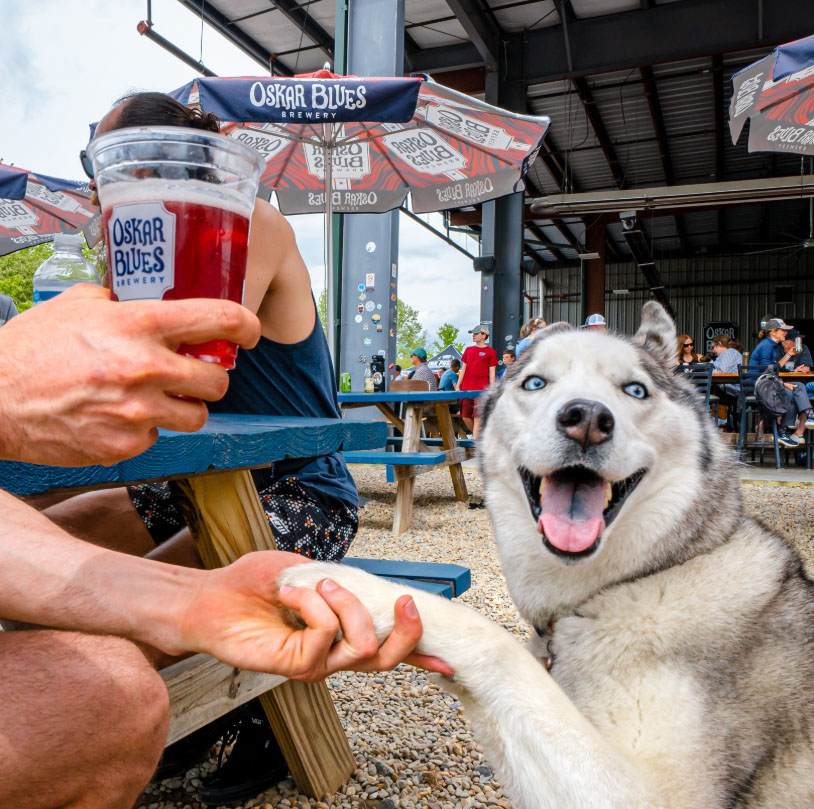
While kayaking to Oskar Blues Brewery in Brevard, North Carolina, paddlers can embark on a scenic five-mile journey along the French Broad River, characterized by gentle currents and lush surroundings. Local outfitter Headwaters Outfitters collaborates with the brewery to offer the “Cruise then Booze” trip, providing all necessary equipment and transportation. After approximately two hours on the water, participants arrive near the brewery, where they can enjoy a variety of craft beers in the Tasty Weasel Tap Room or relax in the outdoor area with picnic tables and the CHUBwagon food truck. This experience seamlessly combines the tranquility of river paddling with the vibrant atmosphere of a renowned brewery.

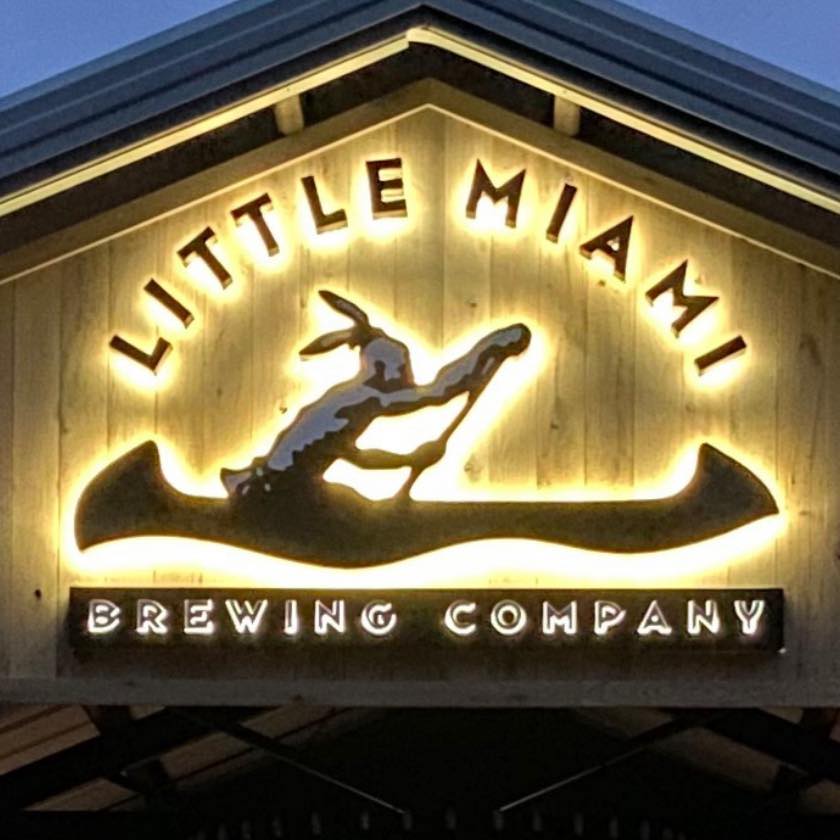
Little Miami Brewing Company, located at 208 Mill Street in Milford, Ohio, is a state-of-the-art, small-batch brewery and casual taproom nestled along the scenic Little Miami River and Bike Trail. Founded in 2015 by brothers-in-law Dan Lynch and Joe Brenner, the brewery aims to bring together nearby communities and families with excellent small-batch craft beer and great food. The family-friendly taproom offers a warm and inviting atmosphere with beautiful views of the river. The brewery also features a rooftop bar with stunning views of the Little Miami River, providing a perfect spot to relax with friends.

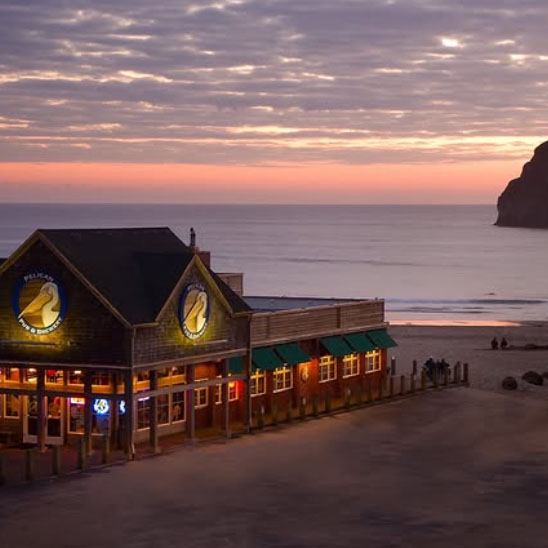
O.K. Pelican Brewing is not on a river, but has some of the best sea kayaking in the USA. Pelican Brewing, particularly its Siletz Bay location in Lincoln City, Oregon, offers a fantastic combination of craft beer and waterside adventure. The brewery sits right on Siletz Bay, a calm and scenic estuary where the Siletz River meets the Pacific Ocean. This area is perfect for kayaking, paddleboarding, or canoeing, with a mix of tidal flats, wildlife viewing, and gentle waters that make for a relaxing paddle.

Other Breweries on rivers in the United States
Walking Man Brewing in Stevenson, Washington
Lakefront Brewery – Situated along the Milwaukee River in Milwaukee, Wisconsin.
Neuse River Brewing Company – Found in Raleigh, North Carolina.
Northern Outdoors – Located in West Forks, Maine, this adventure resort and brewery was founded in 1996 near the Kennebec River.
Three Rivers Brewing – Positioned at the gateway to Sequoia National Park in Three Rivers, California, this brewery is near the Kaweah River.
HiHO Brewing in Cuyahoga Falls, Ohio overlooks the Cuyahoga River.
Old Schoolhouse Brewery in Winthrop, Washington
Hood River Breweries include: pFriem Family Brewers, Full Sail, Thunder Island Brewing, Wiseman Walking Brewing, Frement Brewing and Double Mountain Brewing

What is National River Day all about:
In the U.S., National River Day on February 2 is a day dedicated to celebrating and raising awareness about the importance of rivers in our environment, economy, and daily lives. It coincides with World Wetlands Day, emphasizing the critical role rivers play in maintaining healthy ecosystems, supporting biodiversity, and providing clean water.

Key Focus Areas of National River Day (Feb 2):
·  River Conservation – Highlighting efforts to protect and restore river ecosystems.
·  Water Quality Awareness – Educating the public on pollution prevention and clean water initiatives.
·  Wildlife Protection – Recognizing the role of rivers in sustaining fish, birds, and other wildlife.
·  Community Engagement – Encouraging local cleanups, conservation programs, and sustainable water use.
·  Climate Change Impact – Understanding how climate change affects river systems and what actions can be taken.
Various environmental organizations, local governments, and advocacy groups use this day to host educational events, clean-up efforts, and policy discussions to protect and sustain U.S. rivers.

#riverday #nationalriverday


For Brewing fun facts, trivia, movies and more, Click Here.

Filed Under: Uncategorized

Discover McMenamins Old St. Francis School: A Historic Gem in Downtown Bend, Oregon

February 2, 2025 by Dow Scoggins

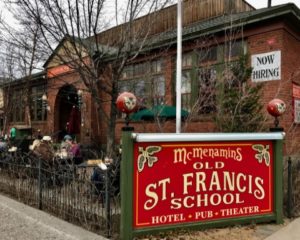
Mcmenamins Old St Francis School HotelThe Old St. Francis School, Pub and Theater
Nestled right in the heart of downtown Bend, McMenamins Old St. Francis School is a one-of-a-kind hotel that blends rich history with modern hospitality. Originally built in 1936 as Central Oregon’s first parochial school, this charming brick building was thoughtfully renovated by McMenamins and reopened in November 2004 as a vibrant destination. Today, it features unique accommodations in former classrooms, an on-site pub, brewery, movie theater, event spaces, and a relaxing soaking pool—perfect for locals, travelers, hikers, skiers, and anyone exploring the area.

The property now boasts 60 cozy guest rooms spread across the original schoolhouse and two newer additions: the Art House and Ed House. Options range from standard rooms to cottages that sleep 2 to 10 guests, making it ideal for couples, families, or group retreats. Throughout the hotel, you’ll find captivating artwork celebrating the building’s past—vintage photos, memorabilia, student drawings, whimsical murals, custom light fixtures, and colorful details like the orbs along the fencing. Don’t miss the intricate tile mosaics and hidden secret rooms for an extra touch of intrigue.
One of the standout features is the Turkish-style soaking pool, a serene spot to unwind after a day of adventure. Surrounded by beautiful mosaics depicting scenes from St. Francis’s life, it’s open to hotel guests and day visitors alike (with reservations recommended for non-guests).

Old St. Francis Pub
The welcoming Old St. Francis Pub serves breakfast, lunch, and dinner daily in a cozy setting with deep booths, original artwork, and a relaxed vibe inside the former school’s main building. Enjoy classic pub favorites, seasonal specials, and fresh handcrafted ales from the on-site brewery. On sunny days, head to the outdoor courtyard for al fresco dining, or grab pizza to go—call (541) 382-5174 for takeout orders.
tripadvisor.comtripadvisor.com

Old St. Francis Brewery
Housed in the building’s former basement lunchroom, the Old St. Francis Brewery has been crafting small-batch ales since 2004. The space features fermentation tanks adorned with playful designs of mystical creatures and imps, adding to the whimsical atmosphere. Beers are poured fresh throughout the property, complementing the pub’s hearty menu.
Old St. Francis Theater
For a unique entertainment experience, visit the Old St. Francis Theater in the old parish hall. This intimate venue seats up to 150 in plush chairs and sofas—far comfier than old church pews! Catch recent films, cult classics, or live sports on the big screen while sipping McMenamins ales, wines, or spirits from the full bar. Pair your show with pizza, popcorn, snacks, and other treats for the ultimate relaxed night out.

Whether you’re staying overnight or just stopping by, McMenamins Old St. Francis School offers a memorable mix of history, comfort, and fun in the heart of Bend. It’s a must-visit spot for anyone seeking authentic Central Oregon charm!

Mcmenamins Old St Francis School
700 NW Bond St
Bend, OR 97701
Phone:(541) 382-5174
Website: www.mcmenamins.com/OldStFrancis

For Today Beer News: Click Here

Filed Under: Beer, breweries

Wild Leap Awarded Beer Connoisseur’s Brewery of the Year

January 13, 2025 by Dow Scoggins

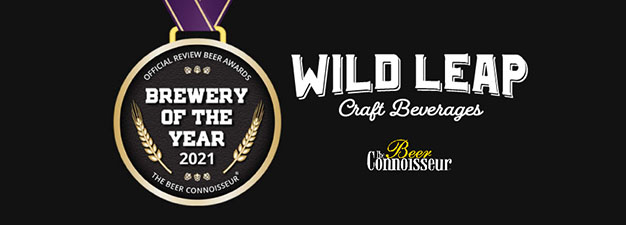
 Wild Leap Awarded Beer Connoisseur 2021 Brewery of the Year

LaGrange, GA –  Wild Leap Brewing Co. has been crowned the 2021 Brewery of the Year by Beer Connoisseur magazine, a prestigious honor recognizing their unmatched excellence in craft brewing. Featured in the Winter 2022, Issue 58, Wild Leap earned this title by submitting an extraordinary 12 beers that scored World Class or Exceptional ratings in the 2021 Official Review, including a historic three beers—Lone Buffalo, Alpha Abstraction Vol. 15, and Too Pure To Be Pink—that achieved World Class scores of 96 or higher. This marks the first time in the magazine’s 12-year history that a brewery has secured three World Class ratings in a single year, solidifying Wild Leap’s place among America’s elite breweries.

Wild Leap’s  portfolio dazzled with nine additional Exceptional-rated beers and 16 entries in the Top 150 Beers of the Year, showcasing their innovative and boundary-pushing approach. “Chief Brewing Officer Chris Elliott’s bold, mad-scientist style has elevated Wild Leap to new heights, blending terrific flavors with Southern flair,” notes Beer Connoisseur’s editorial team. Elliott credits the brewery’s success to its dedicated team: “This award reflects the creativity and hard work of everyone at Wild Leap—from our brewers and cellar crew to our taproom and admin staff. We’re thrilled and grateful for this recognition.” Co-Founder and CFO Anthony Rodriguez adds, “Since opening in 2017, we’ve dreamed of this moment. Sharing this honor with our team and fans is truly special.”

Founded in LaGrange, Georgia, in 2017, Wild Leap has grown from a local favorite to a regional powerhouse, expanding into spirits and planning its first Atlanta taproom in 2022. With a focus on quality, creativity, and community, Wild Leap continues to redefine craft brewing in the South. Visit wildleap.com for more details.

Wild Leap’s 2021 World Class and Exceptional Ratings:
Rated 97 – World Class: Lone Buffalo Barrel Aged Stout
Rated 96 – World Class: Alpha Abstraction, Vol. XV
Rated 96 – World Class: Too Pure To Be Pink
Rated 95 – Exceptional: Chocolate Peanut Butter Porter
Rated 95 – Exceptional: Alpha Abstraction, Vol. 16
Rated 95 – Exceptional: GR8FRUT Double IPA
Rated 94 – Exceptional: LMN ADE
Rated 94 – Exceptional: Alpha Abstraction, Vol. 18
Rated 94 – Exceptional: ASW Barrel Aged Vanilla Ice Cream Stout
Rated 92 – Exceptional: Birthday Month Mango Cryo Hop IIPA
Rated 91 – Exceptional: Buffalo Trace Barrel Aged Stout
Rated 91 – Exceptional: Birthday Month Flowers & Fruit Double IPA

About Wild Leap Brewing’s Brewery
Nestled in the heart of historic downtown LaGrange, Georgia, Wild Leap Brewing Company transformed a once-vacant 1940s Westbrook Service & Tire Co. building—an old car dealership and service station—into a vibrant craft beer destination that opened its doors in 2017. The brewery’s founders, Anthony Rodriguez and Rob Goldstein, saw potential in the weathered brick and steel trusses, meticulously restoring the space to blend vintage charm with modern flair, earning an Excellence in Rehabilitation award from The Georgia Trust for Historic Preservation. Now, the 7-foot-tall exposed trusses, glass-walled brewhouse, and retro signage create an inviting backdrop for sipping award-winning brews like Alpha Abstraction and Lone Buffalo in a pet-friendly taproom and outdoor courtyard. This reimagined dealership isn’t just a brewery—it’s a community hub where live music, food trucks, and a laid-back vibe honor LaGrange’s past while pouring bold flavors into its future.

Fun Beer Facts, Breweries and More: Click Here

Filed Under: Beer, breweries

Maui Brewing Wins America’s Favorite Solar Craft Brewery Title

January 10, 2025 by Dow Scoggins

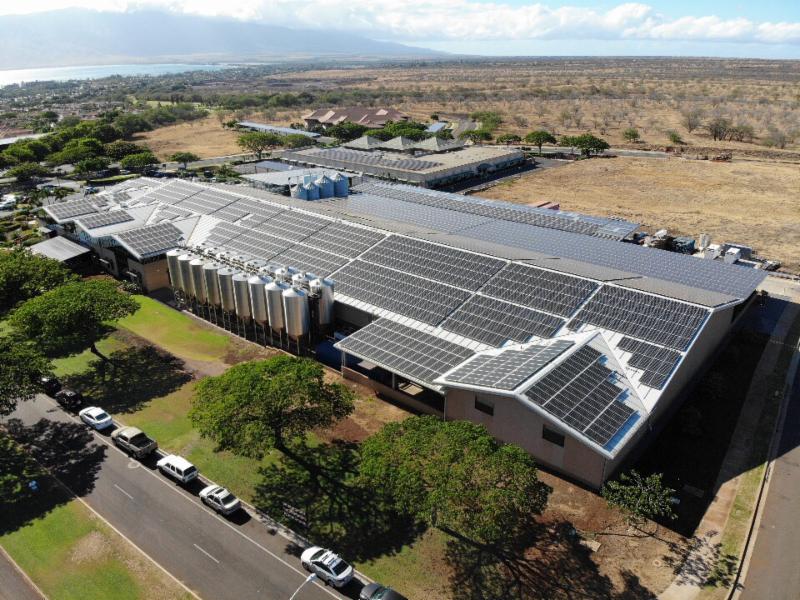
Maui Brewing Wins America’s Favorite Solar Craft Brewery TitleKihei, HI – Maui Brewing Company is very proud to announce its recent award as “America’s Favorite Solar Craft Brewery” following six weeks of public voting which took place from May 6th through June 15th. In celebration of the title, MBC will be co-hosting a “Mahalo” party with Solar United Neighbors, the organization which promotes the “Brews From the Sun” competition, on Monday, August 12th in the MBC Kihei Tasting Room from 3:30pm – 5:30pm.

Sponsored by BrewSavor™ by NewAge® Industries, a solar-powered manufacturer of fluid transfer systems used in the brewing process, Brews from the Sun brought together solar and craft beer enthusiasts from around the country. This year, 12,334 votes were cast during the six-week competition by craft beer enthusiasts and solar energy supporters from around the country.

Forty-four breweries participated in three categories. MBC was listed among 15 Regional Breweries (as defined by the Brewers Association).
“We’re honored to be selected as America’s Favorite Solar Craft Brewery for 2019,” said Garrett Marrero, Maui Brewing Company’s Founder and CEO. “Since our beginning in 2005, Maui Brewing has always been committed to sustainability. Brewing our beer and now distilling spirits with grid-independence makes sense for our business and the environment. We’re leading the charge to demonstrate it is possible to manufacture high-quality beverages and be mindful of the community and the environment.”

Solar accounts for more than 80% of Maui Brewing’s electricity needs. By the end of the year they plan to be 100% powered by solar. Maui Brewing employs solar photovoltaic and solar thermal systems to provide electricity and hot water to brew the company’s beer. Maui Brewing’s 1.2 MW system was installed in 2017. MBC recently added battery storage to help achieve their goal of becoming grid-independent by the end of 2019.

Solar United Neighbors is a national non-profit organization that empowers people to go solar, join together, and fight for their energy rights. It helps thousands of people go solar every year through bulk purchases known as “solar co-ops” as well as through a paid membership program. Members receive on-going support for their solar system, discounts to businesses that have solar, and join a community of solar supporters to ensure their investment in solar is protected.

“We are inspired by the many breweries around the country who are looking to the sun to power their beer,” said Anya Schoolman, Solar United Neighbors Executive Director. “They’re setting a great example not just for other breweries, but for everyone who can save money and take control of where their energy comes from by going solar.”

For a complete list of the 2019 America’s Favorite Solar-Powered Craft Breweries, visit https://www.brewsfromthesun.org/#vote

For more information on Maui Brewing Company, visit MauiBrewing.com or follow @MauiBrewingCo on Facebook, Instagram, and Twitter.

 About Maui Brewing Company and Garrett Marrero
Founded in 2005 by Garrett Marrero, Maui Brewing Company is Hawaii’s largest craft brewery, operating entirely on Maui with a commitment to quality, sustainability, and community. Based in Kihei, the brewery’s state-of-the-art production facility and tasting room serve as its hub, complemented by restaurants in Lahaina, Kailua, and Waikiki. Known for beers like Bikini Blonde Lager and Big Swell IPA, Maui Brewing distributes to 23 states and 10 countries, emphasizing local ingredients and island-inspired flavors. A leader in eco-friendly brewing, the company powers over 80% of its operations with a 1.2 MW solar system, aiming for full grid independence, and has been recognized as America’s Favorite Solar Craft Brewery in 2019 by Brews From the Sun.

Garrett Marrero, the visionary behind Maui Brewing, launched the brewery with a mission to craft authentic Hawaiian beers while prioritizing environmental stewardship. A California native with a background in business, Marrero moved to Maui and saw an opportunity to fill the island’s craft beer gap. Under his leadership, Maui Brewing grew from a small brewpub to a regional powerhouse, earning accolades like multiple Great American Beer Festival medals and World Beer Cup awards and being named the Grand National Champions at the U.S. Open Beer Championship. Marrero’s focus on sustainability—evident in solar-powered brewing and community initiatives—has made Maui Brewing a model for responsible craft brewing, while his entrepreneurial spirit continues to drive innovation and expansion.

For Brewing fun fact, trivia, movies and more, Click Here.

Filed Under: Beer, breweries

  • « Go to Previous Page
  • Page 1
  • Interim pages omitted …
  • Page 22
  • Page 23
  • Page 24
  • Page 25
  • Page 26
  • Interim pages omitted …
  • Page 28
  • Go to Next Page »

Primary Sidebar

Follow us

  • Email
  • Facebook
  • Instagram
  • Twitter
  • YouTube

2026 U.S. Open Beer Championship Registration is now open  

 
2025 U.S. Open Cider Championship  
Medal Winners

Archives

  • September 2026
  • August 2026
  • July 2026
  • June 2026
  • May 2026
  • April 2026
  • March 2026
  • February 2026
  • January 2026
  • December 2025
  • November 2025
  • October 2025
  • September 2025
  • August 2025
  • July 2025
  • June 2025
  • May 2025
  • April 2025
  • March 2025
  • February 2025
  • January 2025
  • December 2024
  • November 2024
  • October 2024
  • September 2024
  • August 2024
  • July 2024
  • May 2024
  • April 2024
  • March 2024
  • November 2023
  • October 2023
  • August 2023
  • July 2023
  • June 2023
  • May 2023
  • April 2023
  • October 2022
  • May 2022
  • February 2022
  • January 2022
  • June 2021
  • March 2021
  • December 2020
  • September 2020
  • August 2020
  • July 2020
  • June 2020
  • February 2020
  • November 2019
  • February 2019
  • May 2018
  • April 2018

Copyright © 2026 · BeerInfo.com. All Rights Reserved.