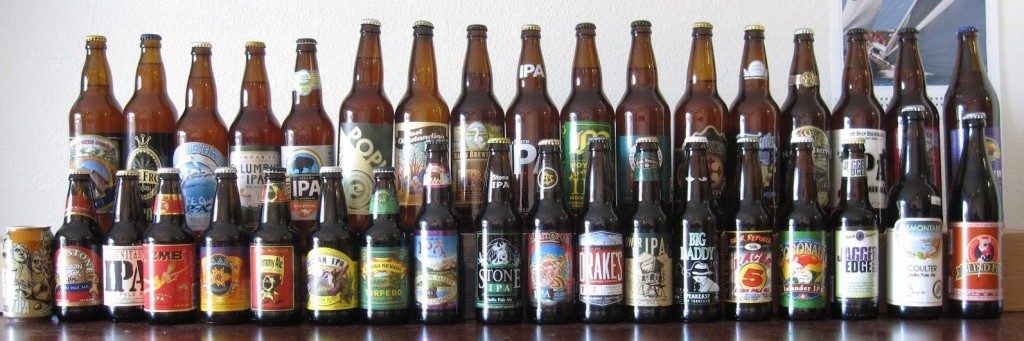
Every year on the first Thursday of August, beer enthusiasts around the globe raise a glass to celebrate National IPA Day, a tribute to one of the most beloved and influential beer styles: the India Pale Ale. In 2025, IPA Day falls on August 2, marking a vibrant occasion for brewers, bars, and beer lovers to honor the hoppy, bold, and diverse world of IPAs.
The Origins of National IPA Day
National IPA Day was founded in 2011 by beer advocates Ashley Routson and Ryan Ross, who sought to create a global celebration of the India Pale Ale. The date was chosen to coincide with the peak of summer, when crisp, refreshing IPAs are especially appealing. Unlike many beer-related holidays, IPA Day is not tied to a specific brewery or brand but serves as a universal nod to the style’s impact on craft brewing.
Why IPAs Matter
IPAs have become the flagship style of the craft beer movement, known for their versatility and wide range of flavors. From the piney, resinous West Coast IPAs to the juicy, hazy New England IPAs, the style offers something for every palate. Substyles like Session IPAs, Double IPAs, and even Black IPAs showcase the creativity of brewers worldwide.
The hop-forward nature of IPAs has also driven advancements in hop cultivation and brewing science. Hops like Citra, Mosaic, and Simcoe have become household names among beer fans, delivering notes of citrus, tropical fruit, and dank earthiness. This diversity keeps IPAs at the forefront of beer culture, with new variations emerging constantly.
How to Celebrate National IPA Day
IPA Day is all about community, discovery, and appreciation. Here are some ways to join the festivities on August 2, 2025:
Visit a Local Brewery or Taproom: Many breweries host IPA Day events, featuring special releases, tap takeovers, or flights showcasing different IPA styles. Check with local spots for limited-edition brews or collaborations.
Host a Tasting Party: Gather friends and sample a variety of IPAs. Include classics like Sierra Nevada’s Hazy Little Thing, modern favorites like Tree House’s Julius, or new releases from local brewers. Pair with foods like spicy tacos or sharp cheddar to complement the hops.
Explore New Styles: Use IPA Day as an excuse to try a substyle you haven’t tasted before. Pick up a Brut IPA for a dry, champagne-like twist or a Milkshake IPA for a creamy, fruit-forward experience.
Share on Social Media: Join the global conversation by posting about your IPA Day experience using the hashtag #IPADay. Share photos of your pours, tasting notes, or brewery visits to connect with other beer lovers.
Learn About Brewing: Dive into the art and science of IPAs by reading up on hop varieties or watching brewing tutorials. Some breweries offer virtual or in-person workshops on IPA Day.
National IPA Day 2025: What to Expect
As craft beer continues to grow, IPA Day 2025 promises to be bigger than ever. Expect breweries to roll out experimental IPAs, with trends like cold IPAs (fermented with lager yeast for a crisp finish) and hop-water hybrids gaining traction. Bars and bottle shops may offer curated IPA menus, while online communities on platforms like X will buzz with discussions about favorite brews and new releases.
Sustainability is also becoming a focus, with some brewers highlighting eco-friendly practices like sourcing local hops or reducing water usage. Look for IPA Day events that emphasize green initiatives or support local agriculture.
A Toast to IPAs
IPA Day is more than a celebration of beer—it’s a nod to the creativity, passion, and community that define craft brewing. Whether you’re a hophead or a casual sipper, August 2, 2025, is the perfect day to crack open an IPA, savor its complex flavors, and toast to the style that continues to shape the beer world.
So, grab a pint, share a story, and cheers to IPA Day!
The History of India Pale Ales
India Pale Ale, or IPA, is one of the most beloved beer styles today, known for its bold hop flavors, citrusy aromas, and refreshing bitterness. But where did this iconic brew come from? Let’s dive into the fascinating history of IPAs, from their origins in 18th-century England to their modern-day craft beer renaissance.
The Birth of IPA: A Solution for the British Empire
The story of IPA begins in the late 1700s, during the height of British colonialism. The British East India Company was shipping goods—and soldiers—to India, and keeping those troops happy meant ensuring a steady supply of beer. However, the long sea voyage, which could take up to six months, was brutal on traditional beers like porters and mild ales. Warm temperatures and rough seas often caused the brews to spoil before reaching their destination.
Enter George Hodgson, a brewer from London’s Bow Brewery. In the 1780s, Hodgson began experimenting with a beer that could withstand the journey. His solution? A pale ale with higher alcohol content and a heavy dose of hops. Hops, a natural preservative, helped protect the beer from spoilage, while the extra alcohol gave it additional staying power. This new brew, initially called “pale ale as prepared for India,” was a hit with British expatriates and soldiers in India. By the 1820s, it was officially dubbed “India Pale Ale.”
The Evolution of IPA in the 19th Century
As demand for IPA grew, other British brewers, particularly in Burton-upon-Trent, jumped on the bandwagon. Burton’s water, rich in minerals like gypsum, enhanced the beer’s clarity and hop bitterness, making it the epicenter of IPA production. Breweries like Bass and Allsopp refined the style, creating pale, crisp, and intensely hoppy beers that became a staple in British pubs and abroad.
By the mid-19th century, IPAs weren’t just for export. They gained popularity in England, especially among the upper classes, who enjoyed their refreshing and robust character. However, as refrigeration and pasteurization improved, the need for heavily hopped, high-alcohol beers diminished, and IPAs began to fade from prominence by the early 20th century.
The American Craft Beer Revival
Fast forward to the 1970s, when the American craft beer movement sparked a renaissance for IPAs. Brewers in the United States, inspired by traditional British styles but eager to innovate, began experimenting with local ingredients. The result was a distinctly American take on the IPA, characterized by bold, citrusy, and piney hop flavors thanks to varieties like Cascade, Centennial, and Chinook grown in the Pacific Northwest.
Pioneering breweries like Sierra Nevada, Anchor, and Stone Brewing helped define the American IPA, with beers that were hoppier and more aromatic than their British predecessors. In the 1990s and 2000s, the style exploded in popularity, giving rise to subcategories like West Coast IPAs (crisp, bitter, and hop-forward), East Coast IPAs (softer and maltier), and Double or Imperial IPAs (higher alcohol and even more hops).
The Modern IPA Explosion
Today, IPAs dominate the craft beer scene, accounting for a significant share of sales worldwide. The style has evolved far beyond its British and American roots, with brewers pushing boundaries to create innovative variations:
New England IPAs (NEIPAs): Hazy, juicy, and low in bitterness, with tropical fruit flavors from hops like Citra and Mosaic.
Session IPAs: Lighter in alcohol but still packed with hop flavor, perfect for easy drinking.
Sour IPAs: Combining the tartness of sour beers with hoppy IPA characteristics.
Milkshake IPAs: Creamy and sweet, often brewed with lactose and fruit for a dessert-like experience.
Craft breweries around the globe, from Australia to Scandinavia, have embraced IPAs, each adding their own cultural twist. In India, where the style was born, modern breweries like Bira 91 and Gateway Brewing Co. are crafting IPAs that pay homage to the beer’s heritage while appealing to local tastes.
For Brewing fun fact, trivia, movies and more, Click Here.